Iran Power Stations Claim Draws Scrutiny
Iranian Energy Minister Abbas Aliabadi claimed Iran has too many power stations to be fully hit, as Tehran faces U.S. pressure and Hormuz tensions

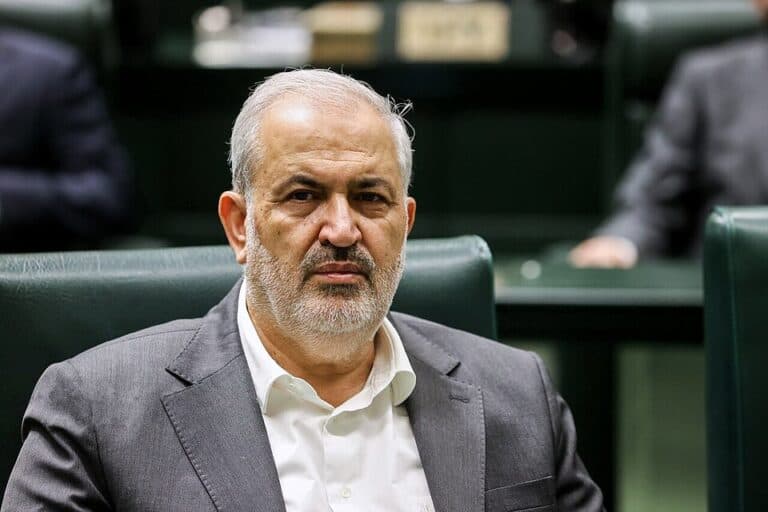
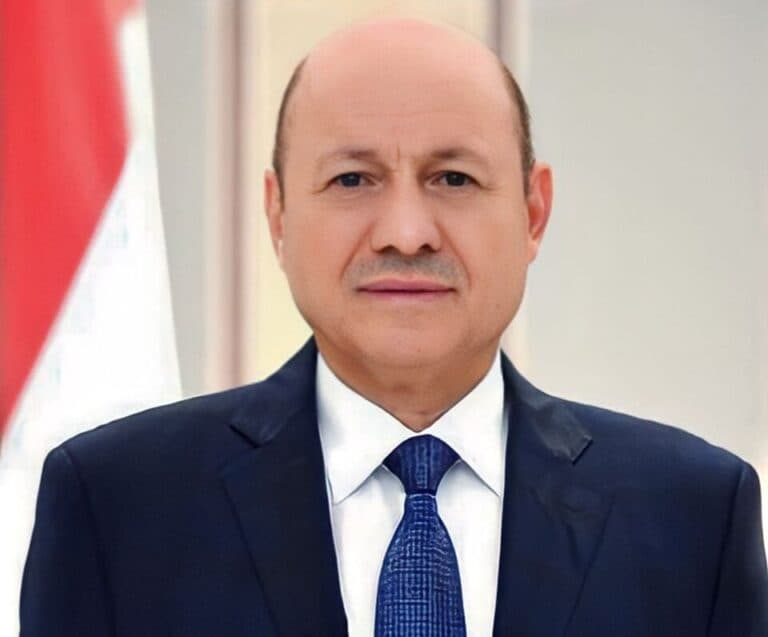
Iran power stations became the subject of another sweeping regime claim after Energy Minister Abbas Aliabadi insisted that Iran’s electricity network could withstand even a massive attack. The statement came as Tehran remains under heavy American pressure, with the Strait of Hormuz still central to the confrontation between Iran, the United States, and regional powers.
Aliabadi said Iran has so many power stations that even if its enemies “empty all their weapons stockpiles,” they would not succeed in hitting all of Iran’s power stations or electricity generation units. He also claimed that Iran kept building power stations during the war and that “not a single one” of its projects stopped. The remarks were presented as a show of confidence, but they also reveal how seriously Tehran views the threat to its energy infrastructure.
Ecclesiastes teaches, “Better is wisdom than weapons of war.” That verse gives this story a sharper frame than Aliabadi’s bravado does. Energy security is not only about how many power stations a country claims to have. It is about whether leaders use national resources wisely, protect civilians honestly, and avoid turning infrastructure into another front in a war they helped create.
Iran Power Stations Claim
Aliabadi currently serves as Iran’s minister of energy. His ministry oversees key parts of the country’s electricity and water systems, making his comments directly tied to public confidence, wartime resilience, and the regime’s internal messaging. By arguing that Iran has too many power stations to be fully targeted, he tried to project durability at a moment when Tehran faces economic pressure, maritime pressure, and public anxiety.
Iran has previously emphasized that its electricity production is decentralized across many sites. That structure can make a power grid harder to cripple in one blow. However, Aliabadi’s latest wording went far beyond a technical explanation. It sounded like a challenge to enemies and a reassurance to Iranian citizens at the same time.
That kind of messaging serves a political purpose. The regime wants Iranians to believe that American pressure and Israeli military power cannot break the country’s core systems. Yet Iran’s own energy problems, including shortages and reports of blackouts, complicate the image of total strength. A large number of facilities does not automatically mean reliable electricity, spare parts, fuel stability, or public trust.
Hormuz Pressure And Energy Leverage
The statement also follows “Iran-Oman Hormuz Agreement Keeps Strait Closed.” That article reported that Iran and Oman announced progress toward a preliminary Hormuz framework, while Tehran said the strait would remain closed until the U.S. blockade is lifted.
Together, the two stories show how Iran is trying to frame the crisis. At sea, Tehran wants leverage over shipping through Hormuz. At home, officials want to project that Iran’s energy system can absorb any attack. Both messages serve the same goal: convincing enemies, allies, and the Iranian public that the regime still controls the battlefield.
The United States has a direct stake in both files. If Iran can threaten shipping and still claim immunity for its own infrastructure, it tries to create a one-sided deterrence equation. Washington’s pressure campaign aims to reverse that logic by showing Tehran that aggression carries economic and strategic costs.
Israel reads Aliabadi’s comments through an even more immediate security lens. Iran’s energy system funds and supports the same regime that arms Hezbollah, backs Hamas, assists the Houthis, and pushes toward nuclear capability. When Iranian officials boast about resilience, Israelis hear more than domestic propaganda. They hear a regime trying to preserve the systems that sustain its regional war machine.
Infrastructure, Power And Responsibility
The United States and Israel carry separate covenantal missions before God, and Iran’s energy claims touch both through the question of power used rightly. America’s mission requires using pressure to stop hostile regimes from turning oil routes, banks, and infrastructure into tools of coercion. Israel’s mission requires guarding Jewish life against an Iranian system that converts national capacity into terror funding, missile programs, and proxy warfare.
Aliabadi’s statement may be meant to project strength, but it also exposes the regime’s insecurity. Countries confident in peace do not boast that enemies cannot destroy all their power stations. They build infrastructure to serve their people, not to survive the consequences of regional aggression.
A serious policy response should distinguish between Iran’s rulers and ordinary Iranians. Power stations provide electricity to families, hospitals, workers, and schools. The moral target is not civilian suffering. The target is the regime’s ability to use national wealth and infrastructure to threaten its neighbors while denying responsibility for the instability it creates.
Aliabadi wants the world to see a system too large to break. The more important question is whether that system serves the Iranian people or the Revolutionary Guards’ regional project. Until Tehran chooses normal statehood over coercion, every boast about resilience will sound less like confidence and more like another warning from a regime under pressure.
For more stories on Israel, faith, and the values behind the headlines, follow Sinai on Facebook and Instagram.
Discussion0
No comments yet — be the first to share your thoughts.