Iran Says Hormuz Talks With Oman Are Not U.S. Negotiations
Iran’s Foreign Ministry said Hormuz talks with Oman concern shipping routes, not U.S. negotiations, while defending the strait’s closure during the war

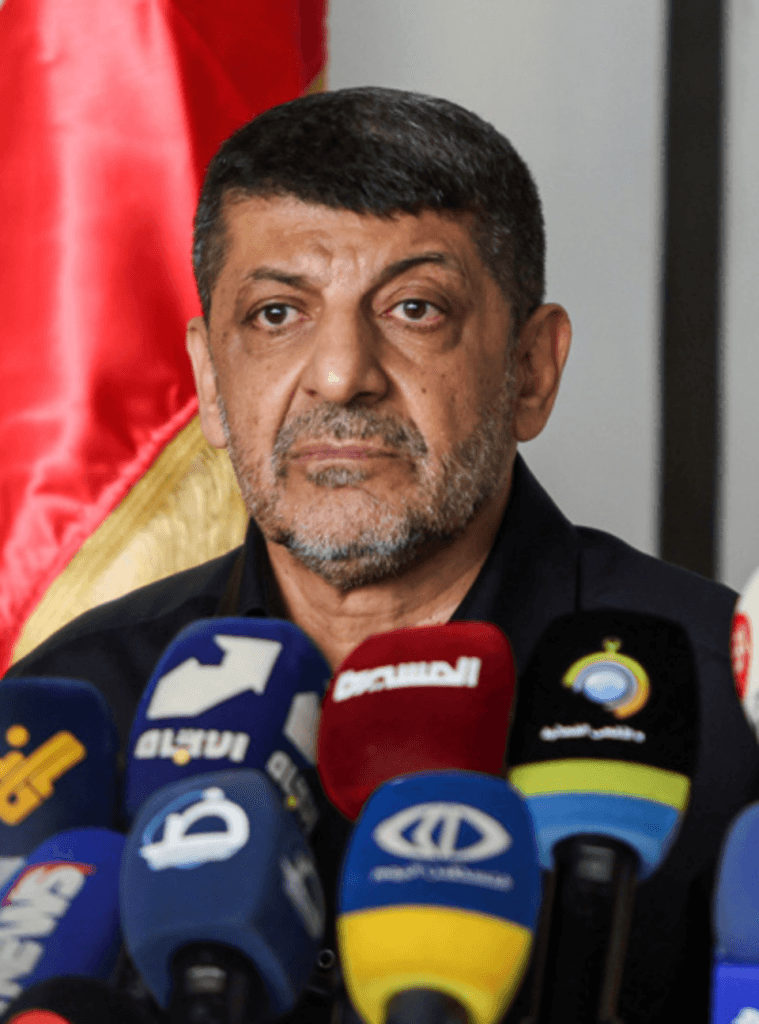
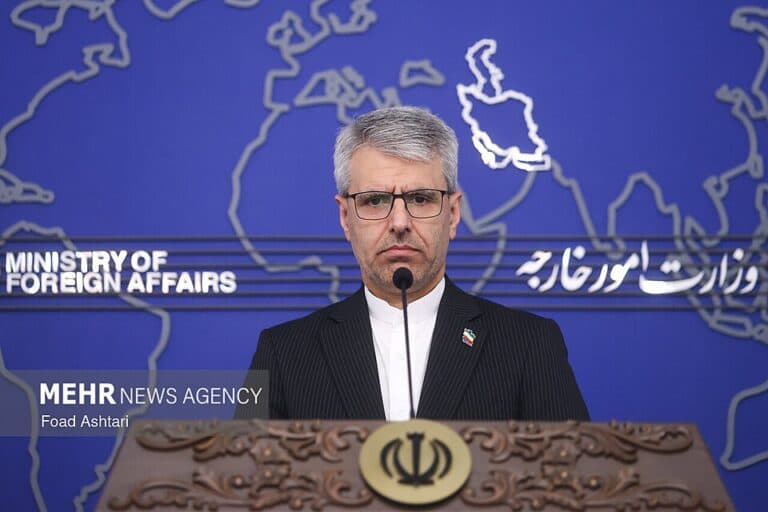
Iran Hormuz talks with Oman are not a renewal of negotiations with the United States, Iran’s Foreign Ministry spokesperson said this morning, while also defending the closure of the Strait of Hormuz during the war.
The spokesperson addressed several issues, including the Saudi-Turkish-Pakistani defense alliance, the closure of Hormuz, possible transit fees, and whether Tehran is holding talks with Washington. His message was designed to separate regional arrangements from direct U.S. diplomacy, while still framing Iran as the power controlling passage through one of the world’s most important maritime chokepoints.
On the new defense alliance between Saudi Arabia, Turkey, and Pakistan, he said there is no reason to view the agreement as directed against Iran. Instead, he described the Mecca agreement as proof that countries in the region now understand security can no longer depend on the United States. He called on regional states to strengthen relations, trust, and security among themselves “without the involvement of external parties.”
The Tanakh says, “The simple believes everything, but the prudent gives thought to his steps.” That warning fits the moment. Iran is presenting its position as regional independence, but Washington, Jerusalem, and Gulf capitals will examine whether the language masks a broader effort to weaken American influence while tightening Iranian control over Hormuz.
Iran Hormuz Talks And Regional Pressure
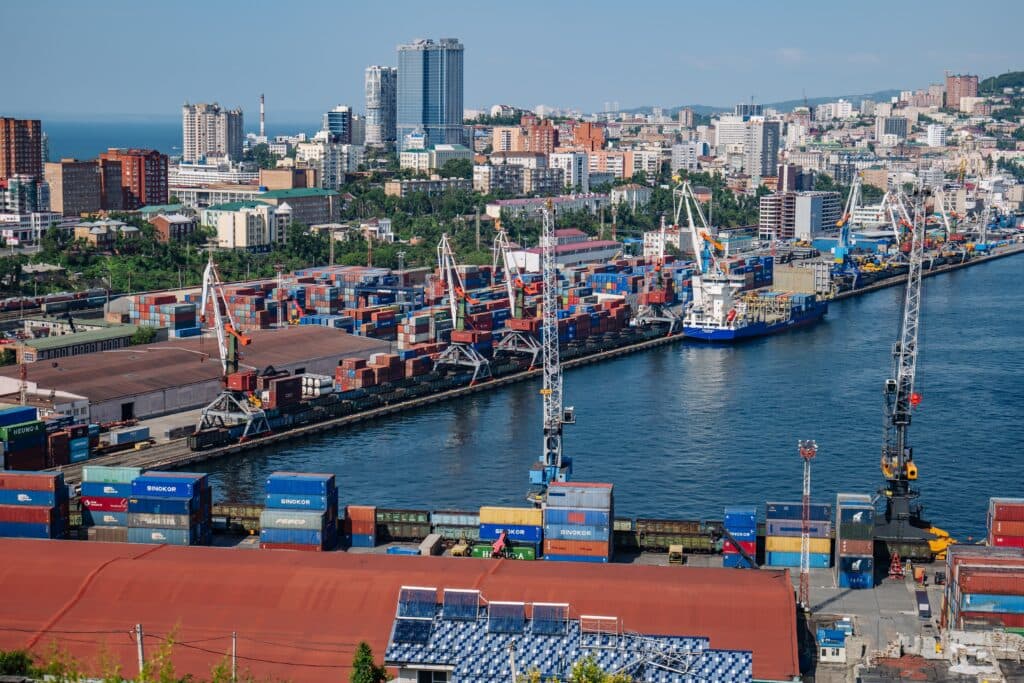
The spokesperson defended the closure of the Strait of Hormuz as a natural step to prevent the waterway from being used for attacks against Iran. He added that as long as the war continues, Tehran will not allow passage through the strait. He also described the American blockade of Hormuz as a continuation of the war against Iran.
That framing matters because it turns maritime access into a battlefield issue. Iran is not only threatening ships or routes. It is arguing that the strait itself belongs inside the war equation, which gives Tehran a basis to restrict movement while blaming Washington for escalation.
On transit fees, the spokesperson said the issue did not come up in talks with Oman. However, he added that it is natural to charge payment for services provided in the strait. Even without a formal fee discussion, that statement signals how Iran may try to convert control over passage into political and economic leverage.
For American policymakers, the message is a direct challenge. Tehran is denying U.S. negotiations while discussing commitments, routes, fees, and war conditions around a global shipping artery. For Israel, the danger is wider than commerce. A regime that can pressure Hormuz can also use the same crisis to harden its position on the nuclear file, Lebanon, Gaza, Yemen, and Iraq.
No Talks With Trump, But Messages Through Oman

The spokesperson said the talks with Oman concern the shipping route in the Strait of Hormuz, not renewed negotiations with the United States. That line closely follows the message in “Marandi Says Iran Will Not Negotiate With Trump.” Mohammad Marandi said Iran has no intention of negotiating with Trump after the president warned Tehran this is its last chance for a good agreement.
The combined message is deliberately narrow. Iran wants to discuss technical routes through Oman, reject direct negotiations with Washington, and still pressure the United States to “return” to commitments. That gives Tehran room to claim it is not negotiating with Trump while still shaping the terms of a future arrangement.
This is where Israel’s security reading becomes important. Iran often separates files publicly while connecting them strategically. Hormuz, the nuclear program, Hezbollah, Hamas, and the Houthis may appear as different arenas, but Tehran uses pressure in one arena to gain room in another.
Washington will need to decide whether Oman’s channel can produce secure passage or whether Iran is using it to slow the crisis without giving up leverage. Jerusalem will watch whether U.S. diplomacy over Hormuz delays the next stage: confronting Iran’s nuclear capabilities and regional proxy network.
Covenant Of Open Routes And Unblurred Threats
The United States and Israel carry separate covenantal responsibilities before God that meet clearly in this story. America’s covenantal task is tied to ordered liberty, the defense of free navigation, and the duty to prevent hostile powers from turning global routes into instruments of coercion. Israel’s covenant is ancient and unique, rooted in the God of Israel, Torah, Jewish peoplehood, sovereignty, and the return to the land.
Hormuz is where those responsibilities touch the water. If Iran can close a strait, charge for passage, reject direct diplomacy, and blame America for the war all at once, then free nations face more than a shipping dispute. They face a test of whether threats dressed as regional security will be accepted as normal.
The United States must keep the sea lanes open without letting Tehran redefine the rules. Israel must read the Hormuz crisis as part of the same Iranian strategy that threatens its skies, borders, and civilians through missiles, drones, nuclear ambition, and terror proxies.
The spokesperson’s remarks therefore leave Washington and Jerusalem with a practical question: is Iran moving toward a real arrangement, or simply building a new vocabulary for control? The answer will shape not only the Strait of Hormuz, but the wider balance between American deterrence, Israeli security, and Iranian pressure across the region.
For more stories on Israel, faith, and the values behind the headlines, follow Sinai on Facebook and Instagram.
Discussion0
No comments yet — be the first to share your thoughts.