Iran Flight Restrictions Expand Under U.S. Sanctions
Iranian airlines face expanding restrictions across Georgia, Azerbaijan, Iraq, Oman and Turkey as new U.S. aviation sanctions take effect

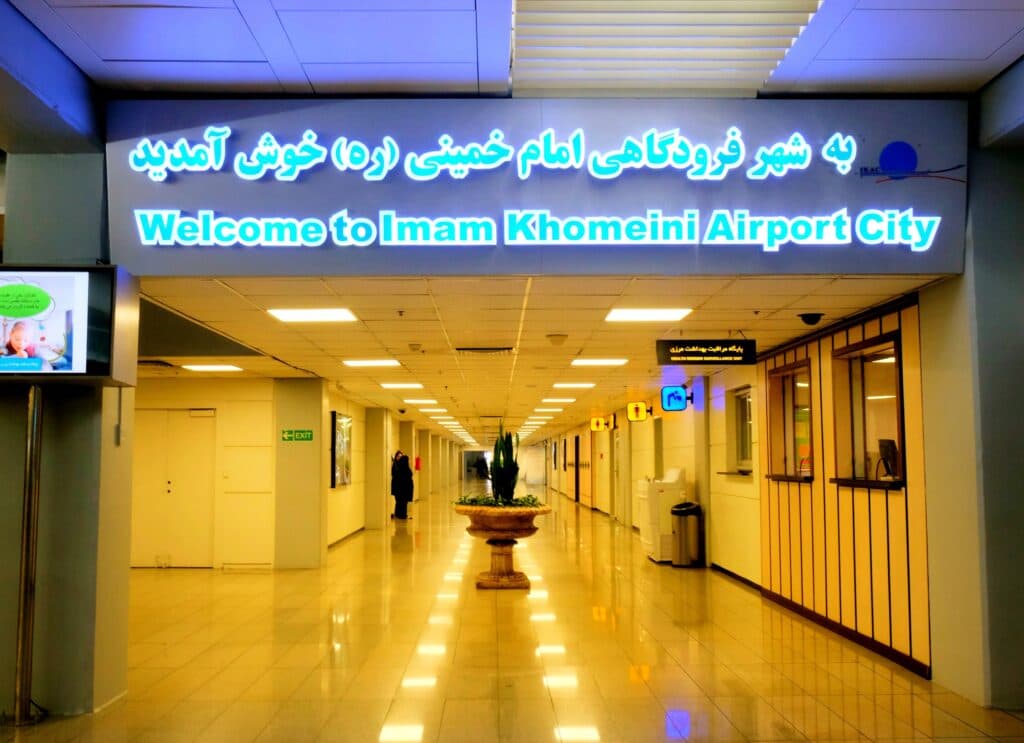
Iran flight restrictions expanded sharply this week as neighboring countries limited access for Iranian airlines following new U.S. sanctions. Georgia, Azerbaijan, Iraq and Oman have imposed suspensions affecting Iranian carriers. Turkey has also introduced major restrictions, while reports indicate further disruption involving Qatar. The measures are rapidly shrinking Iran’s international aviation network.
The restrictions follow a September 8 action by the U.S. Treasury Department against 36 targets connected to Iran’s aviation sector. That package included 27 Iranian airlines that had not already faced sanctions. Treasury says Iranian aviation networks have helped move weapons, military personnel and illicit cargo for the regime and the Islamic Revolutionary Guard Corps.
Proverbs 11:3 says, “The integrity of the upright shall guide them.” The principle matters in a sanctions campaign built around financial transparency and accountability. Washington argues that commercial networks should not provide cover for military activity or sanctions evasion, especially when those networks operate across international borders.
Iran Flight Restrictions Spread Across the Region
Georgia stopped flights by sanctioned Iranian carriers beginning September 21. Azerbaijan Airlines then announced that Iranian airlines would no longer operate to Azerbaijan from September 22. Azerbaijani reporting linked that decision directly to the latest U.S. sanctions package.
Baghdad has also stopped accepting Iranian flights, while Iranian aviation officials are trying to redirect some services to Najaf. Oman has halted Iranian flights to Muscat, and Mahan Air had already suspended its Muscat service days earlier. These changes have particularly affected travelers who depend on regional connections for business, family visits and religious travel.
Turkey presents a more complicated picture. Mahan Air suspended service to Istanbul and Ankara on September 21 after citing decisions by Turkish aviation authorities. However, Iranian officials said other carriers may still operate some Turkey routes. That means restrictions vary by airline rather than amounting to a complete ban on all Iranian flights.
Reports also indicate that some routes remain open. Iranian carriers have continued operating selected international flights even after the U.S. enforcement deadline. Flight-tracking data cited by Bloomberg showed departures to destinations including Shanghai after the restrictions took effect. Flights to Dubai and some other destinations have also continued, while Najaf remains an alternative for some Iraq-bound passengers.
Washington Targets the Networks Around Iranian Airlines
The widening restrictions build directly on the pressure described in “Mahan Air Cancellations Hit Turkey and Oman Routes.” Mahan Air was already under U.S. sanctions, but the latest Treasury action widened the pressure to the rest of Iran’s active aviation sector and the companies that service it abroad.

That distinction is important. U.S. sanctions do not automatically close another country’s airspace to Iranian aircraft. Instead, Washington is warning foreign airports, fuel suppliers, ground handlers, banks and ticketing companies that servicing sanctioned airlines could expose them to penalties. That makes international operations increasingly difficult even when a route remains technically permitted.
Treasury has specifically accused Mahan Air of supporting the IRGC-Quds Force. U.S. officials say the airline has transported personnel, weapons and military equipment. Washington has therefore treated access to foreign aviation services as part of a broader effort to restrict the IRGC’s logistical reach.
The policy also carries a civilian cost. Iranian passengers face fewer routes, higher prices and increasing uncertainty over whether scheduled flights will actually operate. That makes the distinction between targeting government-linked networks and unnecessarily isolating ordinary Iranians especially important.
Aviation Pressure Matters Beyond Iran
Israel has a direct security interest in efforts to disrupt Iranian military logistics. The IRGC has spent years supporting armed groups that threaten Israeli civilians, while Tehran has also developed missiles and drones used throughout the region. If aviation restrictions make it harder for sanctioned networks to move personnel, technology or equipment abroad, they can affect the wider regional balance.
Washington’s interest is broader. The United States is trying to use economic pressure to constrain Iranian military capabilities without relying only on direct force. The aviation sanctions also test whether U.S. financial leverage can influence companies and governments far beyond American territory.
The United States and Israel approach that challenge through distinct covenantal traditions before God, yet both emphasize responsibility alongside national strength. Israel’s covenantal mission places the defense and continuity of the Jewish people at its center. America’s national tradition has often connected liberty, law and power with an obligation to protect citizens and allies. In this case, both interests converge around preventing commercial systems from becoming channels for armed aggression while preserving a distinction between the Iranian regime and the Iranian people.
The expanding Iran flight restrictions show how quickly sanctions can move from financial documents into daily reality. Airports, ticketing systems and flight routes are now becoming part of the pressure campaign. Whether that isolation forces policy changes in Tehran remains uncertain, but Iran’s international aviation network is already significantly narrower than it was only weeks ago.
For more stories on Israel, faith, and the values behind the headlines, follow Sinai on Facebook and Instagram.
Discussion0
No comments yet — be the first to share your thoughts.