Mahan Air Cancellations Hit Turkey and Oman Routes
Mahan Air is suspending routes to Turkey and Oman after expanded U.S. aviation sanctions increased pressure on Iran’s international airline network

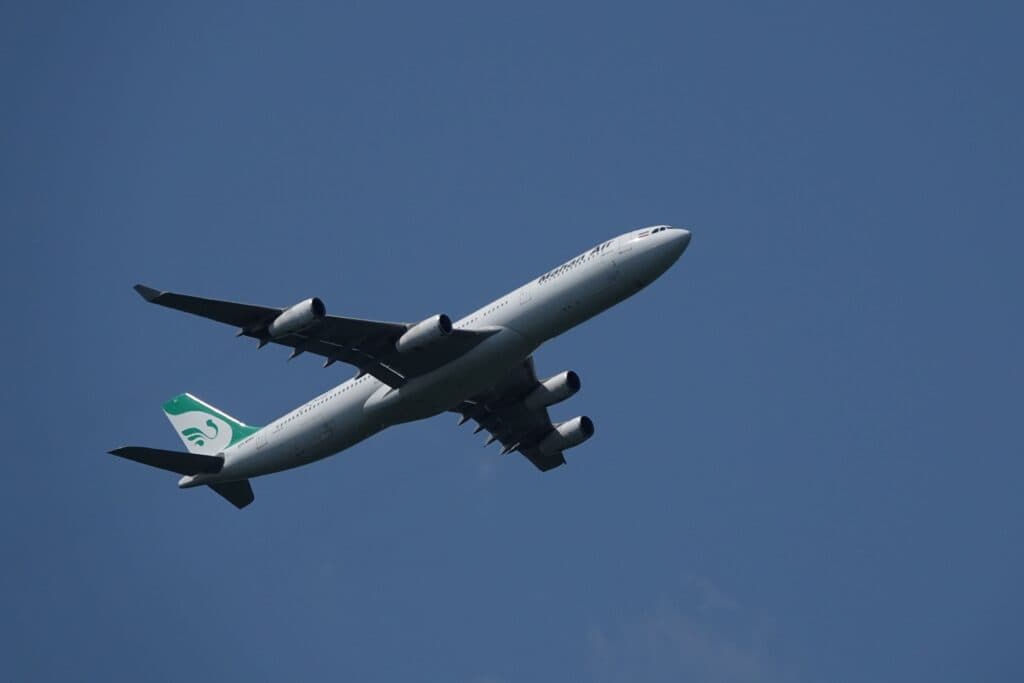
Mahan Air cancellations are cutting several of the Iranian carrier’s international routes after Washington expanded sanctions on Iran’s aviation sector. The airline announced that flights between Tehran and Muscat will stop from September 17 until further notice. Routes connecting Iran with Istanbul and Ankara will also stop from September 21. Mahan said aviation authorities in Oman and Turkey directed the suspensions.
The cancellations follow a major U.S. Treasury action announced September 8. The Office of Foreign Assets Control sanctioned 36 targets connected to Iran’s aviation sector. Treasury also targeted foreign intermediaries and companies that support sanctioned Mahan Air. The department says Iran has used civilian aviation networks to move weapons, personnel and sensitive technology.
Proverbs 12:19 says, “The lip of truth shall be established for ever.” That principle fits an enforcement campaign focused heavily on concealment and deceptive procurement. Treasury says Iranian aviation networks have relied on front companies, foreign intermediaries and disguised transactions to obtain aircraft and technology.
Mahan Air Cancellations Show Sanctions Reaching Abroad
Mahan Air itself is not new to U.S. sanctions. Washington designated the airline in 2011 for supporting the Islamic Revolutionary Guard Corps-Quds Force. Treasury has since accused Mahan of transporting IRGC personnel, weapons and military equipment across borders.
The latest action goes further by increasing pressure on companies outside Iran that assist sanctioned carriers. Treasury warned that foreign firms providing aircraft, cargo services or sales support could face consequences. It also suspended several aviation-related authorizations and sanctioned Iran’s remaining active airlines.
The route suspensions now offer a visible example of that international pressure. Turkey and Oman both maintain important economic and transportation links with Iran. Mahan said regulators in both countries ordered the changes, although its announcements did not explicitly say U.S. sanctions caused those decisions.
Washington Targets Iran’s Aviation Networks
The cancellations follow the broader campaign described in “Trump Iran Sanctions Launch ‘Toughest Economic Operation.’” President Donald Trump’s administration has expanded pressure on trade, finance, oil networks and companies accused of helping Tehran avoid restrictions. Aviation has now become another major part of that strategy.
Treasury calls the wider effort Operation Economic Outcast. Officials say the campaign aims to cut financial and logistical networks that support Iran’s government and the IRGC. The September aviation package also targeted procurement channels for U.S.-origin aircraft and technology.
For Washington, this is also a test of secondary sanctions. Restrictions carry greater weight when foreign companies and regulators change their own behavior rather than treating U.S. designations as purely domestic measures. The Mahan cancellations show how sanctions can affect physical connectivity as well as banking and trade.
Why the Aviation Pressure Matters to Israel
The issue also intersects directly with Israeli security concerns. Treasury’s allegations against Mahan focus on support for the IRGC-Quds Force and movement of weapons, operatives and military equipment. Those are the same Iranian networks that have supported armed groups across the Middle East.
That does not mean the canceled Istanbul, Ankara or Muscat passenger flights carried military cargo. The cancellation notices make no such claim. Their significance lies instead in the broader isolation of an airline that U.S. authorities have repeatedly linked to Iran’s military infrastructure.
For Israel, reducing the freedom of sanctioned Iranian networks to move personnel, obtain technology or operate through foreign commercial systems can affect the wider contest with Tehran. For the United States, the same pressure supports an effort to enforce sanctions beyond Iran’s borders without relying only on military action.
Accountability Beyond Borders
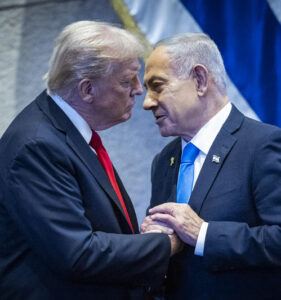
Israel and the United States share a covenantal tradition that connects national strength with responsibility before God. Both place importance on protecting innocent life, confronting organized violence and ensuring that commercial systems do not become shields for those supporting terrorism.
Economic pressure can serve those principles when it targets specific institutions and networks rather than treating an entire population as responsible for government policy. Iran’s civilians also depend on aviation for ordinary travel, which makes precision important when sanctions affect commercial infrastructure.
The Mahan Air cancellations show both sides of that pressure. Washington is trying to isolate an airline it says supports the IRGC, while the resulting restrictions also narrow international travel options for Iranians. The challenge is to keep enforcement focused on the networks Washington identifies as supporting Tehran’s military apparatus.
For Israel and the United States, the wider objective is accountability across borders. If sanctions can disrupt the financial and logistical systems used by the IRGC while limiting unnecessary harm to civilians, economic pressure becomes another tool for confronting regional threats without confusing Iran’s government with the Iranian people.
For more stories on Israel, faith, and the values behind the headlines, follow Sinai on Facebook and Instagram.
Discussion0
No comments yet — be the first to share your thoughts.