Abu Al-Thuhur Strikes Raise Turkey-Israel Questions
Syrian media reported strikes on the Abu al-Thuhur airfield in Idlib as Turkey seeks deeper military influence in Syria, raising questions for Israel

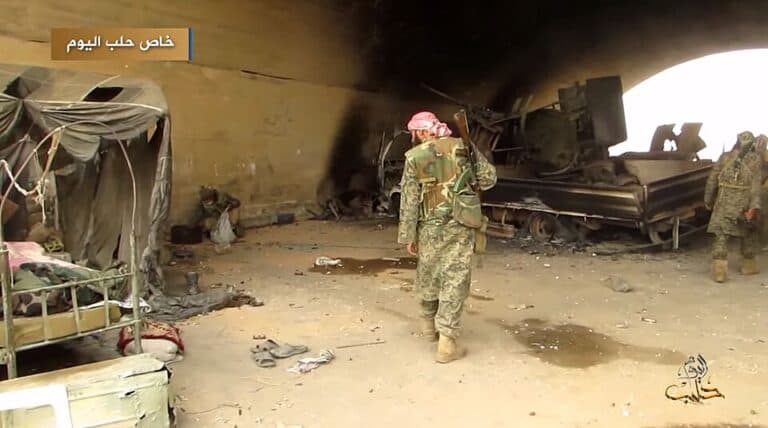
Abu al-Thuhur strikes in Syria are raising new questions about whether Israel’s campaign between the wars against Turkish entrenchment has begun.
Syrian media reported tonight that “unidentified fighter jets” carried out four strikes on the Abu al-Thuhur military airfield in Idlib province. According to the reports, the strikes targeted the airfield’s runway.
The airfield sits about 70 kilometers from Syria’s border with Turkey. That location matters because Turkey has been seeking to strengthen its military hold inside Syria and establish bases on Syrian soil.
Proverbs says, “The prudent man foresees danger and hides himself.” In Syria, prudence does not mean waiting until a hostile force builds a permanent military platform near Israel’s border. It means identifying the shape of the threat while it is still forming.
Abu Al-Thuhur Strikes
Unofficial Syrian and Turkish sources estimate that Israel stood behind the strikes. As of now, official Turkey and Syria have remained silent.
The reports have not yet received official Israeli confirmation. However, the strategic context is clear. Israel has expressed opposition to the establishment of Turkish military bases on Syrian territory, and foreign reports have said the issue came up in discussions between the United States and Israel.
Reuters reported last year that Israel struck Syrian bases that Turkey had scoped out, including sites Ankara was considering for a deeper military role. AP also reported that Prime Minister Benjamin Netanyahu viewed Turkish bases in Syria as a danger to Israel.
That makes Abu al-Thuhur important. The question is not only who hit one runway. The larger question is whether Israel is sending a warning against Turkish-backed military infrastructure in Syria before it becomes permanent.
Erdoğan, Trump And Syria
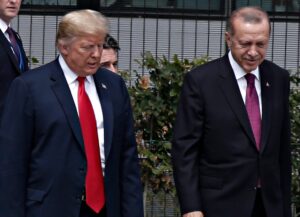
Turkish media also reported that President Donald Trump and Turkish President Recep Tayyip Erdoğan spoke by phone last night. According to Turkish sources, Erdoğan urged Trump to invest diplomatic efforts toward an agreement with Iran and suggested that he could serve as a mediator.
The same sources said Erdoğan warned Trump against intensified Israeli attacks on Palestinians, especially ahead of the transition to the second phase of Trump’s peace plan. The White House has not released an official statement about the call.
That phone call gives the Syria reports wider meaning. Erdoğan is positioning Turkey as a mediator with Iran, a voice on Gaza, and a rising military power inside Syria. Israel sees a different picture: a Turkish-backed order taking shape near its strategic frontiers.
That concern follows “Trump Praises Mecca Pact As Erdoğan Warns Israel.” That article reported that Trump praised the defense alliance between Saudi Arabia, Turkey, and Pakistan, while Erdoğan warned Turkey would fight if attacked. The new Syria reports place that warning inside a real military geography.
Turkey is not only speaking. It is building influence. If Ankara turns Syrian territory into a military platform, Israel will have to decide how early to act.
Covenant Of Borders And Foresight
The United States and Israel carry separate covenantal missions before God, but both understand that peace depends on guarded borders and clear-eyed alliances. America’s role is to prevent two key regional players, Israel and Turkey, from sliding into direct confrontation. Israel’s role is to protect the Jewish people from hostile power structures forming across its borders.
Those missions overlap in Syria. Washington may value Turkey as a NATO member and a useful regional channel. Jerusalem must judge Turkey by its actions near Israel, its support for Hamas, its rhetoric against the Jewish state, and its effort to shape Syria’s military future.
The campaign between the wars was built for moments like this: acting below full-scale war, but before threats become entrenched. If the Abu al-Thuhur reports prove accurate, they may mark another signal that Israel will not allow hostile military infrastructure to harden in Syria.
Turkey and Syria may stay silent for now. Israel may also avoid public comment. But the runway at Abu al-Thuhur now sits inside a much larger message: Syria’s future will not be decided without Israel watching every base, every alliance, and every threat forming near its borders.
For more stories on Israel, faith, and the values behind the headlines, follow Sinai on Facebook and Instagram.
Discussion0
No comments yet — be the first to share your thoughts.