Asim Munir Tehran Visit Seeks To Revive U.S.-Iran Diplomacy
Pakistan’s Field Marshal Asim Munir is expected to visit Tehran as Islamabad works to revive U.S.-Iran diplomacy amid sanctions pressure and regional defense shifts

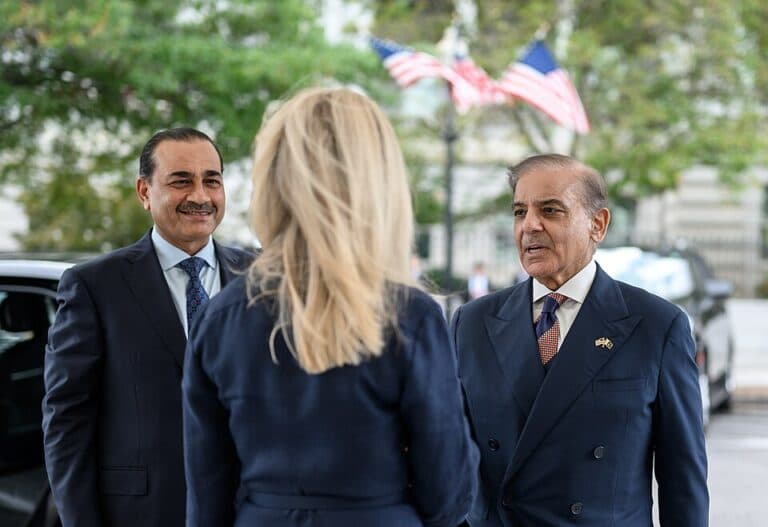
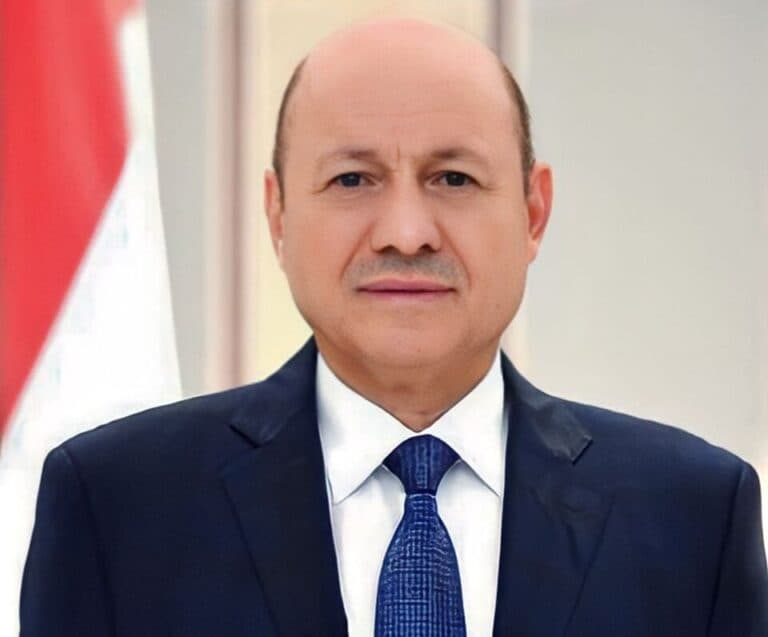
The Asim Munir Tehran visit is expected to take place Monday, as Pakistan’s top military commander works to revive diplomacy between Iran and the United States.
Iran’s Foreign Ministry said Field Marshal Asim Munir will travel to Tehran as part of efforts to bring “peace and security” to the region. The visit comes during a volatile moment, with U.S. pressure on Iran rising and new regional defense alignments taking shape.
Munir is not only Pakistan’s army chief. In Pakistan’s power structure, the military remains one of the most decisive institutions in national security and foreign policy. That makes his Tehran visit more than a routine diplomatic stop.
Proverbs says, “By wise counsel thou shalt make thy war, and in multitude of counsellors there is safety.” The verse gives this story its strategic frame. When pressure rises near war, the identity of the mediator matters. So does the purpose of the mediation.
Asim Munir Tehran Visit
Regional officials told AP that Munir’s visit is part of Islamabad’s effort to de-escalate tensions and bring Iran and the United States back to the negotiating table.
Pakistan has positioned itself as a potential bridge between Washington and Tehran. That role matters because Pakistan maintains relations with Iran while also engaging closely with the Trump administration.
The visit follows weeks of pressure on Tehran. President Donald Trump has warned of severe economic consequences for countries that keep Iran connected to trade, finance, oil smuggling, or shell-company networks. Meanwhile, Iran’s currency has weakened sharply under blockade pressure and sanctions threats.
For Tehran, a Pakistani channel offers a way to show that it is not diplomatically isolated. For Washington, Pakistan may serve as a useful messenger, especially if Trump wants to test whether pressure can produce concessions without another military escalation.
Pakistan, Iran And The Mecca Pact
Munir’s trip also comes after fresh attention on the Mecca Defense Agreement. That agreement, signed by Pakistan, Saudi Arabia, and Turkey, created a joint defense framework among three major Muslim powers.
The same regional defense track appeared in “Mecca Defense Agreement: Iran Says Invitation Under Review.” That article reported that Iranian official Mehdi Rahimi said Tehran had received an invitation to join the pact and was considering the proposal.
The timing is important. If Pakistan is trying to revive U.S.-Iran diplomacy while also participating in a new Saudi-Turkish-Pakistani defense structure, Islamabad is operating on several tracks at once.
That creates uncertainty for Israel and the United States. Pakistan may want to calm the Iran crisis. However, any regional security framework that gives Iran diplomatic cover would raise serious concerns in Jerusalem.
Iran is not simply another state under pressure. It funds Hezbollah, Hamas, the Houthis, and other armed groups that threaten Israel and U.S. interests. Therefore, diplomacy with Tehran must restrain the regime’s behavior, not give it room to rebuild leverage.
Mediation Under Pressure
The United States and Israel will read Munir’s visit through the same basic question: does mediation help contain Iran, or does it help Iran escape pressure?
That question matters because Trump’s current strategy relies on economic force, sanctions, and regional leverage. If Pakistan can bring Tehran toward serious negotiations, the visit may serve American interests. If Tehran uses the trip to delay, divide, or weaken pressure, it will serve Iran.
Israel has even less room for error. Tehran’s diplomatic language often runs alongside proxy violence, nuclear defiance, and threats against the Jewish state. Jerusalem will judge the process by results, not by the appearance of talks.
Munir’s Washington connection also matters. The image of him and Prime Minister Shehbaz Sharif at the White House reflects Pakistan’s attempt to remain relevant in American regional strategy. Now Munir is heading to Tehran, where he may carry messages between two enemies locked in a dangerous confrontation.
Covenant Of Counsel And Deterrence
The United States and Israel carry separate covenantal missions before God, and both require wisdom when force and diplomacy meet. America’s task is to use power with discipline: pressuring hostile regimes, protecting allies, and keeping dangerous conflicts from spreading. Israel’s task is more immediate: defend Jewish life against Iran’s weapons, proxies, and nuclear ambitions.
Those missions can support diplomacy, but only when diplomacy strengthens deterrence.
Munir’s visit could become a useful channel if it pushes Iran toward restraint. It could also become a warning sign if Tehran uses Pakistan’s role to soften the impact of American pressure while keeping its terror network intact.
The next test is simple. If Iran wants talks, it must show more than tactical patience. It must stop treating diplomacy as a pause between threats.
For Washington and Jerusalem, Pakistan’s mission to Tehran will matter only if it moves the region away from Iranian escalation and toward real limits on Tehran’s war machine.
For more stories on Israel, faith, and the values behind the headlines, follow Sinai on Facebook and Instagram.
Discussion0
No comments yet — be the first to share your thoughts.