U.S. MQ-9 Drone Crashes In Djibouti Near Bab Al-Mandab
An American MQ-9 UAV crashed in Djibouti near Bab al-Mandab after an aircraft distress report, with possible Houthi fire raising concerns for the U.S. and Israel

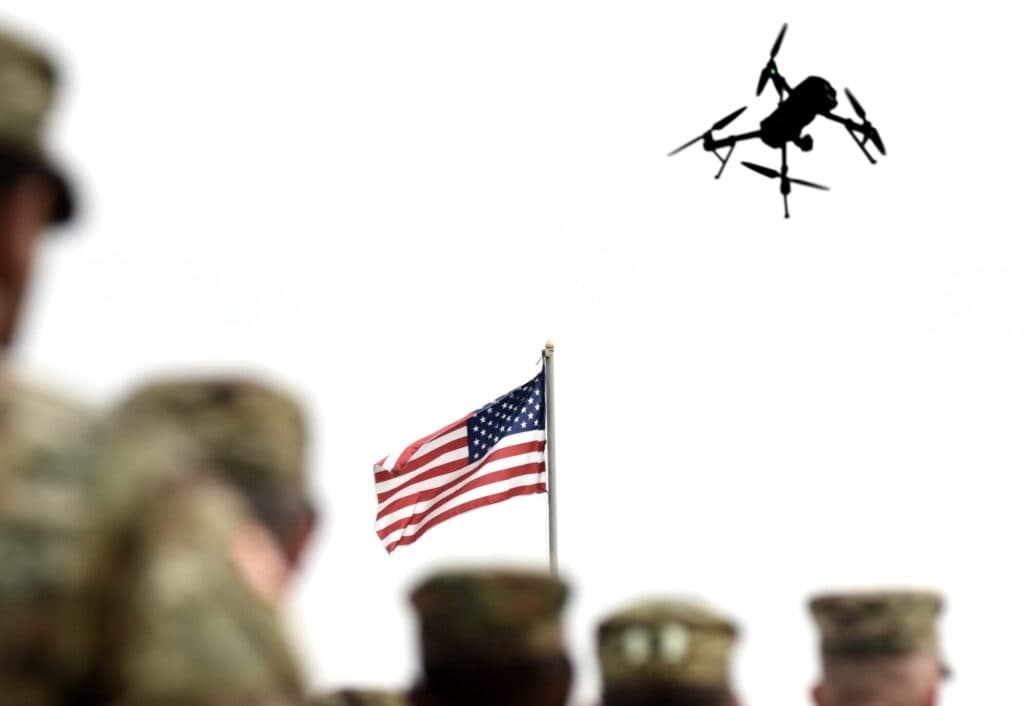
An MQ-9 crash in Djibouti raised new questions about the security of Bab al-Mandab, after an American UAV went down near one of the world’s most sensitive maritime chokepoints.
The incident came after the U.S. Embassy in Djibouti announced a “distress” involving an aircraft in the area. Djibouti sits on the African side of Bab al-Mandab, across from Yemen, where the Houthis have turned the Red Sea corridor into a front line against U.S. interests, Israel, and international shipping.
According to the report, the American MQ-9 UAV was traveling from the Oman area toward Djibouti. It may have been hit by Houthi fire, though that detail remains unconfirmed.
The Tanakh says, “Unless the Lord watches over the city, the watchman stays awake in vain.” That verse fits the pressure around Bab al-Mandab. Surveillance, deterrence, and military readiness all begin with the watchman, but the test comes when threats move from warning signs to actual fire.
MQ-9 Crash In Djibouti
The crash matters because the MQ-9 is not a symbolic aircraft. It is a major U.S. intelligence, surveillance, and strike platform used to monitor hostile activity across wide areas. A crash near Djibouti, especially with possible Houthi involvement, would point to the growing danger around the Red Sea and the Gulf of Aden.
For Washington, the incident adds pressure to an already strained regional posture. U.S. forces have been trying to protect shipping routes, deter Iranian-backed groups, and prevent maritime attacks from spreading into a larger confrontation. If Houthi fire brought down the UAV, it would show that the group is still capable of threatening American assets beyond Yemen’s coastline.
Israel will also watch the event closely. Bab al-Mandab is not only a shipping route. It is part of the strategic corridor linking the Red Sea, Eilat, the Arabian Sea, and global trade. Houthi pressure there affects Israel’s economy, maritime access, and the wider Iranian-backed ring of threats around the Jewish state.
The Houthi Front Line
The incident recalls “Houthi Saudi Airspace Warning.” The Houthis warned airlines against Saudi airspace after new strikes and missile fire, raising concerns for U.S. deterrence, Israel, and Red Sea security.
Taken together, the two stories show a widening pattern. The Houthis are not limiting themselves to rhetoric. They are trying to shape airspace, sea lanes, and military movement across the region. That creates a direct challenge to American power and an indirect but serious threat to Israel.
The possible route of the UAV also matters. A drone traveling from the Oman area to Djibouti would be moving through a region where Iran, the Houthis, Gulf states, and U.S. forces all overlap. Even without confirmed Houthi responsibility, the crash highlights how crowded and dangerous the theater has become.
Covenant At The Sea Gate
The United States and Israel stand before God with different but aligned covenantal responsibilities. America’s covenantal tradition carries the burden of defending liberty, protecting allies, and keeping global routes open against hostile regimes. Israel’s covenant is ancient and unique, rooted in the God of Israel, Torah, Jewish peoplehood, sovereignty, and the return to the land.
At Bab al-Mandab, those responsibilities meet at a sea gate. America cannot allow Iranian-backed forces to intimidate military movement and global commerce. Israel cannot ignore a hostile front that threatens its southern maritime access while Iran’s proxies also pressure Gaza, Lebanon, Syria, and Iraq.
The MQ-9 crash therefore matters beyond one aircraft. It points to the price of allowing the Houthis to turn the Red Sea corridor into a zone of attrition. Every drone, ship, and warning in that arena becomes part of a larger test of whether free nations can keep the routes open against armed coercion.
For more stories on Israel, faith, and the values behind the headlines, follow Sinai on Facebook and Instagram.
Discussion0
No comments yet — be the first to share your thoughts.