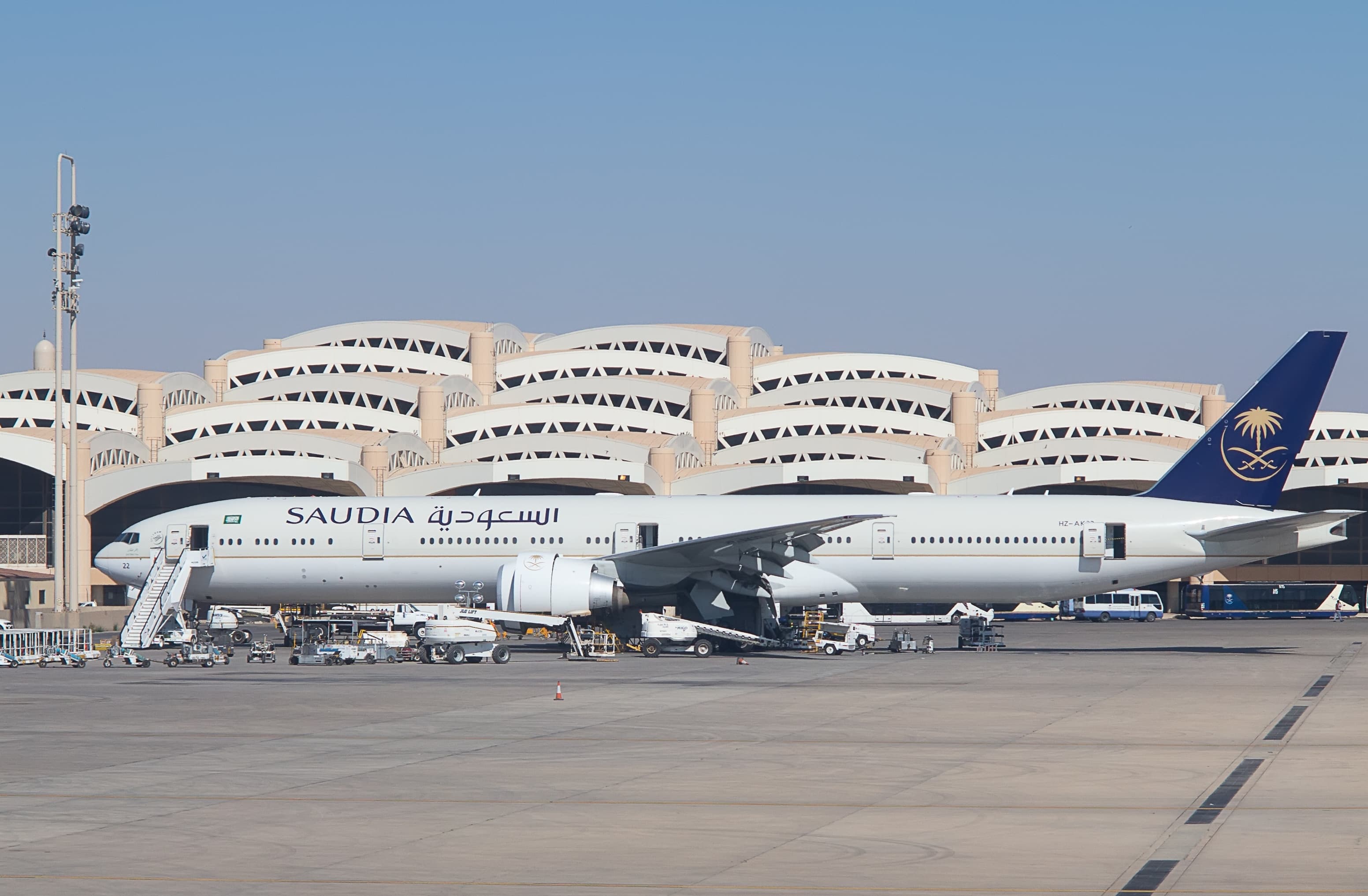
Houthi Saudi Airspace Warning
The Houthis warned airlines against Saudi airspace after new strikes and missile fire, raising concerns for U.S. deterrence, Israel, and Red Sea security

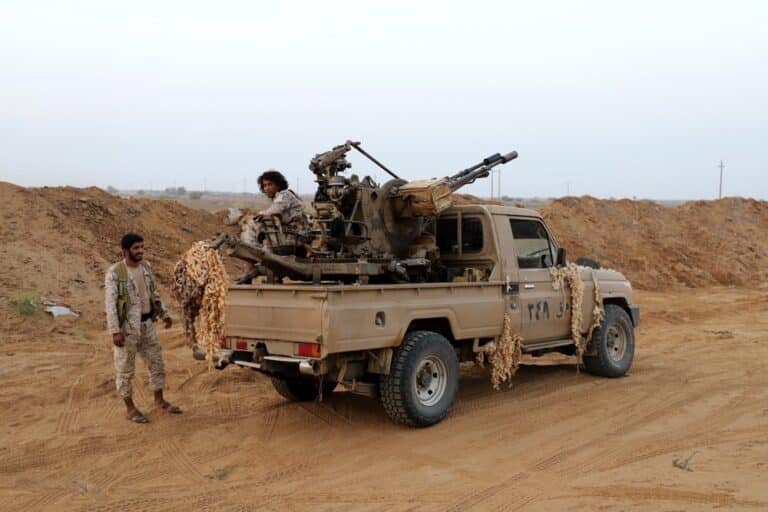
The Houthi Saudi airspace warning marks another escalation in the confrontation between Saudi Arabia and the Iran-backed Houthi movement.
Yahya Saree, the Houthi military spokesperson, announced that his forces remain determined to continue their struggle to lift what they call the Saudi blockade on Yemen.
He also warned all airlines against passing through Saudi airspace until the blockade on Sanaa International Airport is lifted.
According to Arab media, Saudi Arabia attacked overnight in territory under Houthi control in Saada Governorate. The area reportedly served as the launch point for missiles fired toward Saudi Abha Airport.
The Tanakh says, “The prudent see danger and take refuge.” That warning fits this moment. Airspace, airports, and trade corridors can become battlefields when terror armies try to impose regional pressure.
Houthi Saudi Airspace Warning
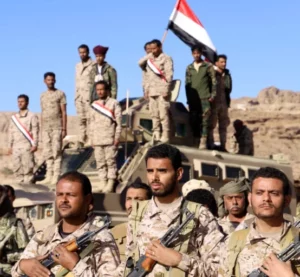
The Houthi warning targets more than Saudi Arabia.
By threatening airlines that use Saudi airspace, the Houthis are trying to turn a local military exchange into a regional aviation and security crisis.
That matters because Saudi Arabia is a central U.S. partner in the Gulf. It also matters because Iranian-backed forces use threats against civilian routes as leverage against governments.
For the United States, this escalation raises questions about deterrence, air defense, and the safety of regional partners.
Washington has a direct interest in preventing Iran-backed forces from threatening airports, air routes, shipping lanes, and energy infrastructure.
For Israel, the issue also carries clear strategic weight.
The Houthis have already threatened Israel with missiles, drones, and maritime attacks. Therefore, any Houthi expansion against Saudi Arabia can strengthen the same Iranian proxy system that threatens the Jewish state.
Red Sea Pressure And Israel
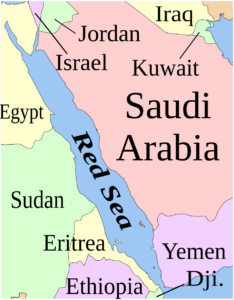
This latest warning also connects to “Houthis Say Saudi Strike Declared War On Yemen.” The Houthis accused Saudi Arabia of declaring war after a strike in Sanaa, warning of escalation tied to the United States, Israel, and Red Sea security.
The new airspace threat follows the same pattern.
The Houthis present their actions as a response to Saudi moves. However, their wider strategy serves Iran’s regional pressure campaign.
They threaten Saudi Arabia. They threaten Israel. In addition, they pressure Red Sea trade and try to intimidate countries aligned with the United States.
That creates a shared problem for America, Israel, and regional partners.
A Houthi threat to aviation can quickly become a threat to shipping, energy, and military movement. It can also force civilian companies to reroute, raise costs, and treat the region as unstable.
A Shared Moral Calling
The United States and Israel both understand that free movement requires strength.
Air routes, sea lanes, and borders do not remain safe when terror movements can dictate terms by missile fire.
The United States and Israel also share a covenantal understanding before God.
America’s covenantal tradition rests on liberty under God, ordered justice, and moral responsibility. Israel’s covenant is older and unique. It rests on God’s promise, Jewish peoplehood, Torah, and the return to the land of Israel.
Those covenants are not identical. However, they meet in a shared calling: defend life, protect free nations, and resist forces that use terror to dominate others.
In this story, that shared calling means seeing the Houthi threat clearly.
For America, it means helping regional partners protect airspace and deter Iranian proxies. For Israel, it means treating the Houthi front as part of the same regional war system that includes Iran, Hezbollah, Hamas, and attacks on trade routes.
Ultimately, the Houthi warning against Saudi airspace shows how quickly Yemen can pressure the wider Middle East. It also shows why U.S. and Israeli security interests remain connected wherever Iran’s proxy network threatens civilian life and regional order.
For more stories on Israel, faith, and the values behind the headlines, follow Sinai on Facebook and Instagram.
Discussion0
No comments yet — be the first to share your thoughts.