U.S. And Saudi Arabia Strike Iran-Backed Militias In Iraq
The U.S. and Saudi Arabia reportedly struck Iran-backed militia targets across Iraq after attacks on Saudi energy facilities, raising stakes for America, Israel, and the region

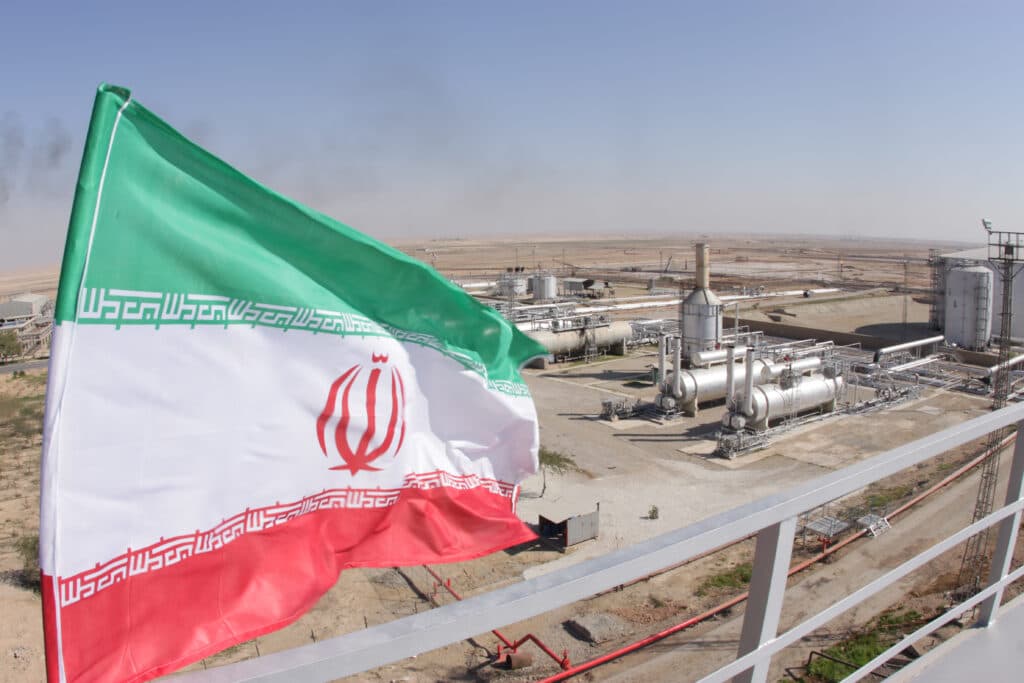
U.S. Saudi Iraq strikes reportedly targeted Iran-backed militia sites across Iraq overnight, marking a major escalation after attacks on Aramco energy facilities in Saudi Arabia.
According to the report, the United States and Saudi Arabia carried out extensive joint strikes across Iraq. The targets belonged to Al-Hashd al-Shaabi, a coalition of Iraqi Shiite militias mostly supported by Iran.
The reported strike locations included the Az-Zab area in Kirkuk province, the 30th Brigade camp of Al-Hashd al-Shaabi in Nineveh province, Karbala, Amerli in Salah al-Din province, Diyala, Basra, and Wasit. At least 10 militia members were reportedly killed. Most of the deaths came from the strikes on Camp 30 in Nineveh.
The Tanakh says, “The Lord is a man of war.” That verse gives this moment a hard but relevant frame. Peace cannot survive if terror armies strike energy infrastructure, threaten civilians, and hide behind state weakness.
U.S. Saudi Iraq Strikes
U.S. Central Command reportedly described the strikes as a harsh response to more than 30 UAV attacks carried out by Shiite militias under the direction of the Iranian Revolutionary Guards over the past 72 hours.
Saudi Arabia had also accused Iraqi militias of attacking its energy facilities in two official statements. The most recent statement came last night, according to the report.
That accusation matters because the Houthis in Yemen officially claimed responsibility for the attacks. Saudi Arabia’s decision to blame Iraqi militias instead suggests Riyadh sees a wider Iranian-backed operational network, not only a Yemeni front.
For the United States, the strikes send a message about deterrence. Iranian-backed militias cannot attack energy infrastructure, threaten U.S. interests, and expect Washington to treat each front as disconnected. For Israel, the same logic is central. Iran operates through Hamas, Hezbollah, the Houthis, Iraqi militias, and other armed groups. Israel understands that pressure from one arena often belongs to a larger Iranian strategy.
Iraq, Yemen, And The Iranian Axis
This regional map connects directly to “Yemen Warns Saudi Arabia Over Airspace Violations.” Yemen warned Saudi Arabia over alleged airspace violations and drone interceptions, raising concerns for U.S. deterrence, Israel, and regional stability.
Yemen warns Saudi Arabia. Saudi Arabia accuses Iraqi militias. The United States strikes militia sites in Iraq. Iran-backed forces continue using drones, missiles, and political messaging to pressure several countries at once.
For Washington, this creates a multi-front deterrence problem. The United States must protect Gulf partners, energy routes, forces in the region, and the credibility of its alliances.
For Jerusalem, the consequences are direct. Any strengthening of the Iranian axis in Iraq, Yemen, Syria, or Lebanon eventually affects Israel’s security environment. Israeli defense planners cannot ignore militia activity just because it occurs outside Israel’s borders.
Covenant Of Defense Against Chaos
The United States and Israel share a covenantal understanding before God rooted in justice, protection of life, freedom, and the duty to confront violent coercion.
America’s covenantal tradition calls for ordered liberty under God and the defense of allies against tyranny. Israel’s covenant is older and unique, rooted in the God of Israel, Torah, Jewish peoplehood, and the return to the land.
America cannot allow Iran-backed militias to turn Iraq into a launchpad against energy infrastructure and U.S. partners. Israel cannot allow the same Iranian system to strengthen the terror ring around the Jewish state.
The strikes also show why the Middle East cannot separate energy security from military security. Aramco facilities, Gulf airspace, Iraqi militia camps, Red Sea routes, and Israel’s borders all sit inside one strategic picture.
Ultimately, the reported U.S.-Saudi strikes mark a clear warning to Iran’s militia network. If Tehran’s proxies keep escalating, America and its partners may respond across more than one front.
For more stories on Israel, faith, and the values behind the headlines, follow Sinai on Facebook and Instagram.
Discussion0
No comments yet — be the first to share your thoughts.