Trump Launches Super Intelligence Force to Lead AI Race
Trump’s new Super Intelligence Force will coordinate U.S. AI policy as Washington and Jerusalem both treat advanced technology as a national-security priority

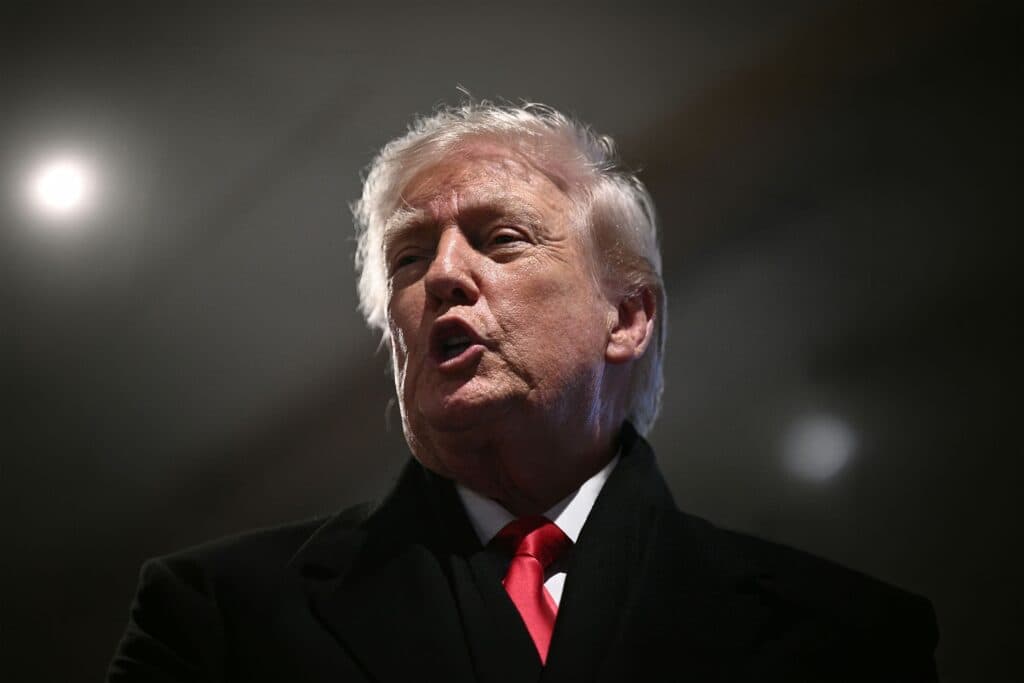
President Donald Trump has announced the creation of a new Super Intelligence Force, placing advanced artificial intelligence under a coordinated federal effort. Trump said the group will work to ensure that the United States remains the global leader in what his administration calls “Super Intelligence.”
The announcement follows last week’s White House meeting with executives from major technology companies. Those companies signed a voluntary accord covering AI safety and oversight. According to CBS News, the agreement includes internal testing, outside audits and board-level reviews of advanced models.
Proverbs 2:6 says, “For the Lord giveth wisdom: out of his mouth cometh knowledge and understanding.” The distinction between intelligence and wisdom is especially relevant here. Powerful technology can expand national strength, but its value depends on how governments choose to use and govern it.
Trump’s Super Intelligence Force Takes Shape
Trump said the new force will coordinate federal policy across government agencies. It will also engage consumers, public-interest organizations, religious groups, critical infrastructure providers and AI companies.
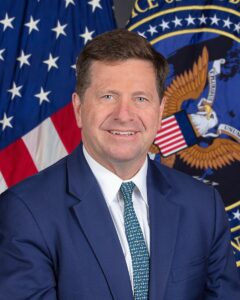
Director of National Intelligence Jay Clayton will lead the effort. FTC Chairman Andrew Ferguson, Pentagon technology chief Emil Michael and OPM Director Scott Kupor will also serve in leadership roles. The group will report directly to Trump and White House Chief of Staff Susie Wiles.
Trump described the technology as potentially larger in impact than both the Industrial Revolution and the internet. His administration has also increasingly used the term “Super Intelligence” instead of artificial intelligence. The task force is expected to examine both opportunities and national-security risks created by rapidly advancing systems.
The initiative comes as Washington debates how aggressively government should regulate advanced AI. Trump has emphasized American leadership while resisting approaches that could slow domestic development. At the same time, the White House accord asks major companies to adopt stronger internal safeguards and outside reviews.
AI Leadership Is Also a Security Question
For the United States, the competition is not only economic. Advanced AI increasingly affects cybersecurity, intelligence analysis, military systems, infrastructure and industrial capacity. That makes leadership in the field a strategic issue alongside semiconductors, energy and defense production.
Israel is confronting the same challenge from a different scale. In August, the Israeli government launched its expanded National AI Program. It aims to strengthen computing capacity, cyber capabilities and sovereign technological infrastructure. Israeli officials have also set a goal of building access to 100,000 AI processors and developing a national quantum computer.
That creates a natural area of overlap between Washington and Jerusalem. Both countries view advanced technology as increasingly tied to national resilience and security. Israel’s strengths in cyber, defense technology and applied AI could become especially important as the United States builds a more centralized federal strategy.
The issue also connects to the strategic questions raised in “Trump Iran War: Economic Pressure Raises Endgame Question.” That article examined how military and economic power must ultimately serve a defined strategic purpose. The same principle applies to technological power. Leadership in AI matters most when it strengthens security, resilience and long-term national independence.
Technology, Responsibility and National Purpose
Israel’s covenantal mission before God includes protecting Jewish sovereignty and preserving the ability to defend Jewish life. In the modern world, that responsibility increasingly includes technological sovereignty. Dependence on foreign computing infrastructure or advanced systems can become a security vulnerability during war.
America’s covenantal tradition developed differently, but it also ties national power to responsibility and stewardship. The United States has repeatedly built transformative technologies that reshaped both its economy and the wider world. AI may become another such test.
Trump’s Super Intelligence Force reflects an effort to prevent that transformation from developing without federal coordination. The challenge will be balancing speed, security and public accountability while preserving American technological leadership.
For Israel, the stakes are closely related. A strong American AI ecosystem can reinforce an alliance already built around intelligence, defense and innovation. At the same time, Israel’s own national program shows that Jerusalem does not intend to remain dependent on others for the technologies shaping future wars and economies.
The Super Intelligence Force therefore represents more than another Washington task force. It reflects a broader shift in how the United States views AI: not simply as a commercial technology, but as an element of national power.
For more stories on Israel, faith, and the values behind the headlines, follow Sinai on Facebook and Instagram.
Discussion0
No comments yet — be the first to share your thoughts.