Strait of Hormuz Closure: Iran Sets Seven Conditions
Ghalibaf says Iran will keep the Strait of Hormuz closed until seven conditions covering war, sanctions, maritime access and frozen assets are fulfilled

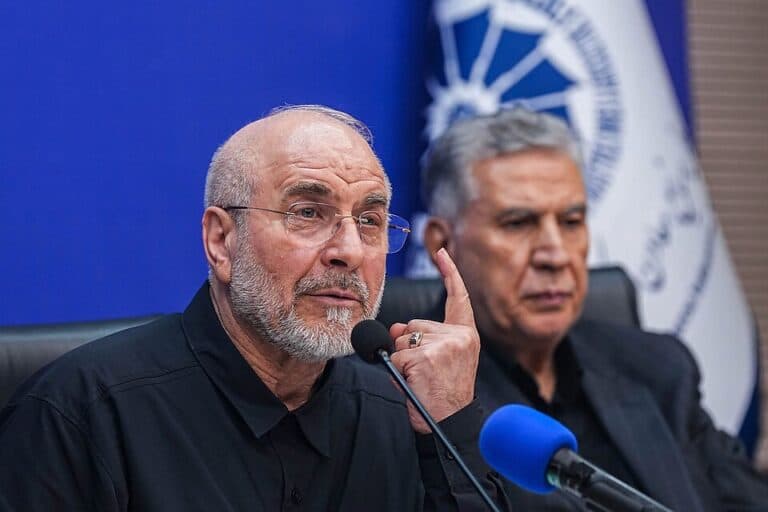
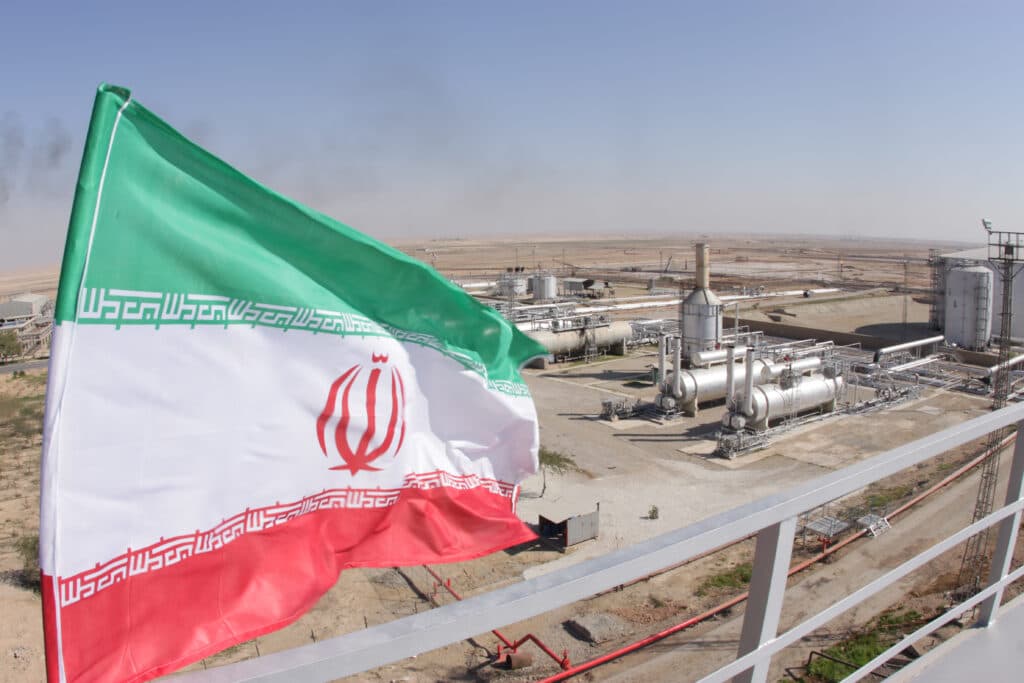
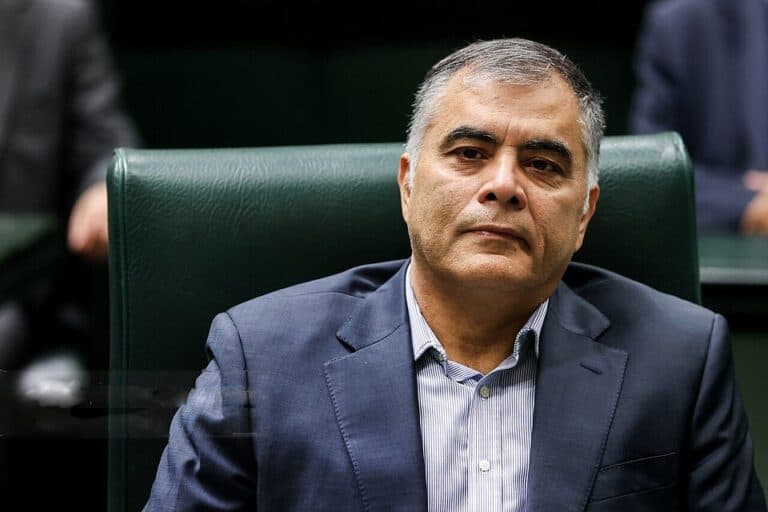
The Strait of Hormuz closure will continue until Tehran’s seven conditions are fulfilled, Iranian Parliament Speaker Mohammad Bagher Ghalibaf said Sunday. His declaration places the strategic waterway at the center of the continuing confrontation between Iran and the United States.
Reuters reported that Ghalibaf tied the demands to the Islamabad Memorandum of Understanding reached earlier this year. He said Washington had recently sent proposals through an intermediary. However, he argued that the era of “delaying tactics and unilateral demands” had ended.
Psalm 107 speaks of those who “go down to the sea in ships” and conduct business across great waters. The passage reflects something easily forgotten during military confrontation: maritime routes connect ordinary lives and entire economies. When a strategic passage closes, the consequences extend far beyond the governments fighting over it.
Strait of Hormuz Closure Tied to Seven Demands
According to the reported Iranian position, Tehran has set seven conditions before reopening the strait:
- End the war on all fronts, including military operations in Lebanon and Yemen
- Lift the U.S. naval blockade affecting Iranian ports and maritime access
- Remove economic sanctions, including restrictions on Iranian oil exports
- Release Iranian assets frozen in foreign banks
- Establish a new framework governing security and navigation in the Strait of Hormuz
- End political and military threats against Iran and its leadership
- Provide compensation for damage caused during the war
The June Islamabad memorandum addressed several of those same issues. Its provisions included ending military operations, removing the U.S. naval blockade and restoring commercial passage. It also addressed sanctions, frozen Iranian assets and a future framework for managing maritime services in Hormuz.
Ghalibaf also rejected the idea that Tehran would shape its security policy around public comments from American officials. He said Iran would judge Washington by its actions instead. Reuters reported that Qatar has continued acting as an intermediary as both sides exchange proposals over the future of the waterway.
Economic Pressure Meets Maritime Leverage
The standoff comes while Iran faces growing economic pressure at home. That pressure was already visible in “Iranian Rial Collapse Deepens Economic Pressure,” which documented the rial’s rapid fall toward 2.44 million per dollar after a brief period of stability.
The decline continued afterward. Iran International reported that the dollar moved beyond 2.5 million rials on September 29. A weaker currency raises import costs and further reduces household purchasing power inside Iran.
The demands therefore connect military negotiations directly to Tehran’s economic position. Lifting sanctions, restoring oil access and releasing frozen assets would affect Iran’s access to foreign currency. Removing the naval blockade would also alter the pressure Washington has placed on Iranian trade.
For the United States, those demands touch several major tools of its Iran policy at once. Washington would face questions involving sanctions, maritime enforcement and regional military deployments. For Israel, the demand to halt operations on additional fronts reaches directly into the regional conflict involving Lebanon, Yemen and Iran.
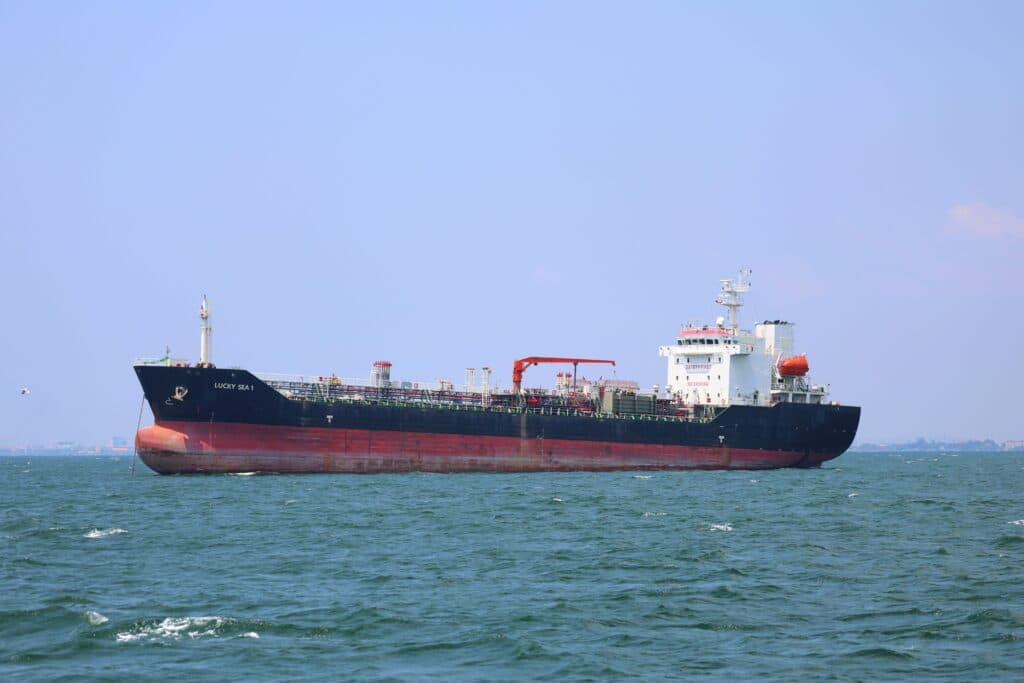
The Strait itself carries wider international consequences. Reuters describes it as a crucial route for global oil and gas shipments. That means decisions made in Tehran, Washington and regional capitals can quickly affect energy markets far beyond the Middle East.
Sovereignty and Responsibility at Sea
The dispute also reflects two different understandings of security. Tehran presents the closure as part of its leverage for obtaining guarantees and economic relief. Washington and regional governments have focused on restoring maritime passage and reducing the risk of another round of fighting.
Israel’s covenantal mission before God places the defense of Jewish life and sovereignty among its central national responsibilities. That makes any demand affecting Israel’s ability to respond to threats in neighboring arenas significant. The question is not only diplomatic, but tied to how Israel understands its obligation to protect its citizens.

America’s covenantal tradition developed through a different national history. It has long connected freedom of commerce and navigation with national power and responsibility abroad. The dispute over Hormuz therefore touches economic freedom, security commitments and the limits of military pressure at the same time.
Ghalibaf’s message leaves little ambiguity about Tehran’s stated position. Iran says the Strait of Hormuz closure will continue until all seven conditions are satisfied. With the rial under severe pressure and negotiations still moving through intermediaries, the waterway remains both a security flashpoint and a central bargaining issue.
For more stories on Israel, faith, and the values behind the headlines, follow Sinai on Facebook and Instagram.
Discussion0
No comments yet — be the first to share your thoughts.