Yemen Warns Saudi Arabia Over Airspace Violations
Yemen warned Saudi Arabia over alleged airspace violations and drone interceptions, raising concerns for U.S. deterrence, Israel, and regional stability

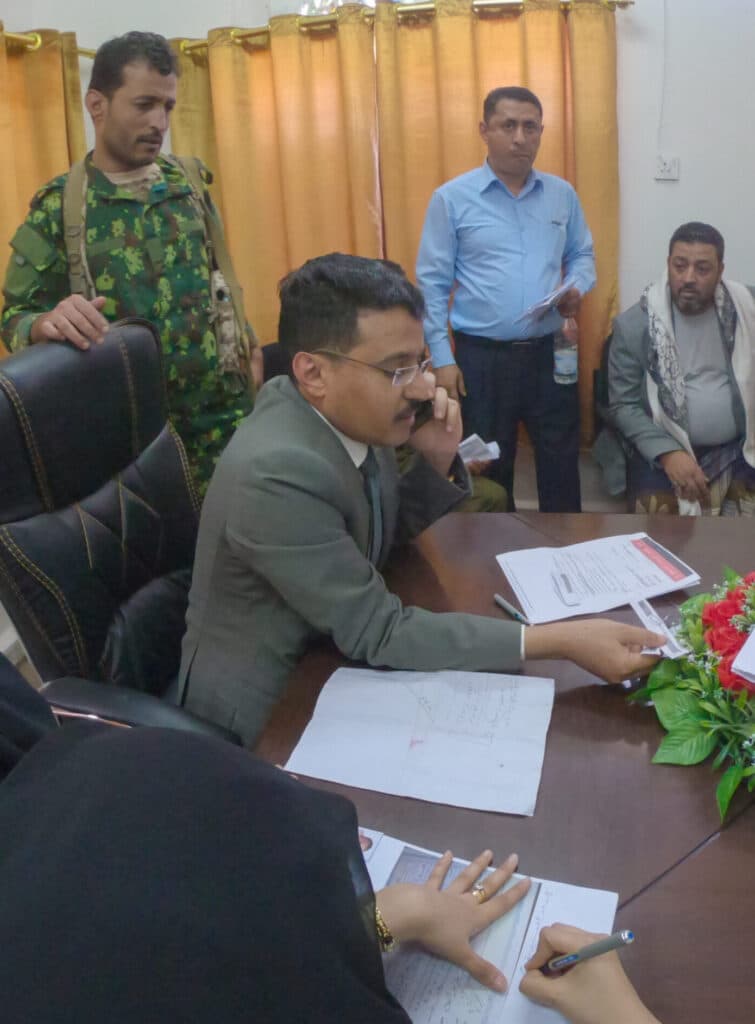
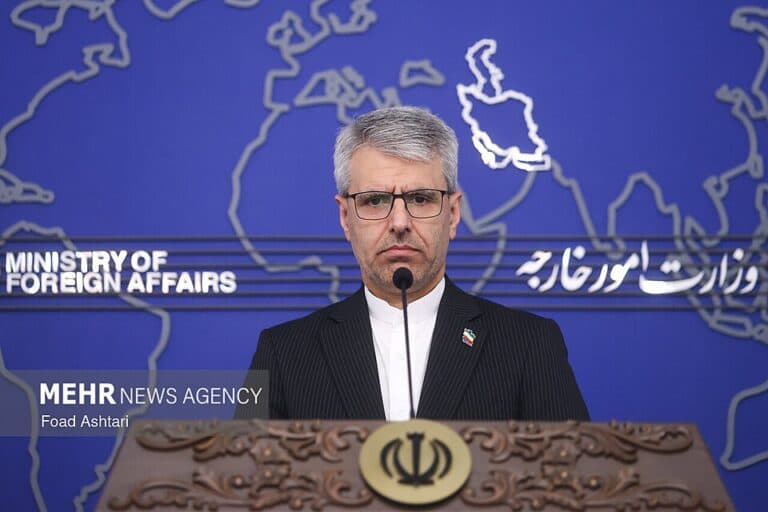
Yemen’s Saudi airspace warning escalated regional tensions after the Yemeni Ministry of Foreign Affairs said the interception of Saudi-affiliated drones proves that the Saudi regime violated Yemeni airspace.
The ministry said the drone interceptions give Yemen the right to “retaliate in kind.” It also challenged critics of Yemen’s refusal to allow airspace violations, saying they should open their own airspace to Saudi aircraft and allow them to “target whomever they please.” The statement also condemned Saudi threats against Iraq. It warned Riyadh that antagonizing Arab and Muslim neighbors would bring “severe consequences.”
The Tanakh says, “The horse is prepared for the day of battle, but victory belongs to the Lord.” That verse fits this moment because military tools alone do not create security. Drones, missiles, aircraft, and airspace claims can quickly become triggers for a wider regional confrontation.
Yemen Saudi Airspace Warning
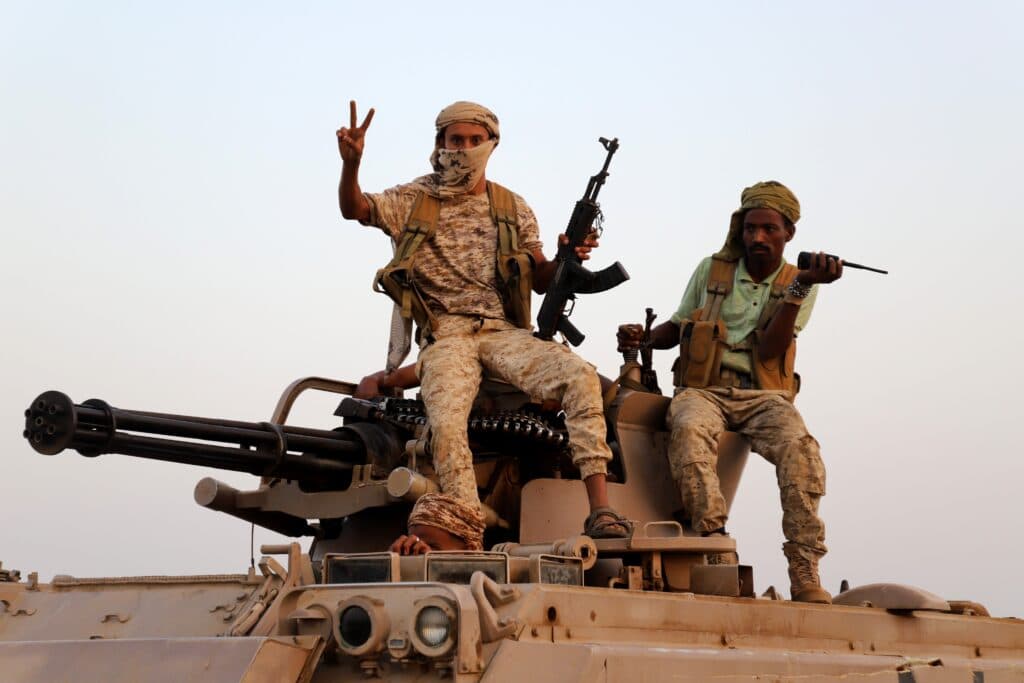
The warning matters because airspace has become one of the central battlefields in the Middle East. Yemen’s statement frames Saudi-linked drone activity as a violation of sovereignty. It also presents retaliation as a legitimate response. That language raises the risk of a wider exchange between Saudi Arabia and the Houthi-aligned Yemeni authorities, especially if drones, missiles, or aircraft cross contested areas.
For the United States, the issue carries direct strategic weight. Washington has long viewed Saudi security, Red Sea routes, Gulf stability, and regional air defense as part of the same security architecture. If Yemen and Saudi Arabia move toward a renewed cycle of retaliation, U.S. deterrence faces another test.
For Israel, the warning also matters. The Houthis have already placed Israel inside their wider regional campaign through missile fire, drone threats, Red Sea pressure, and anti-Israel messaging. Any escalation involving Saudi Arabia can affect air routes, maritime security, and the broader Iranian-backed axis surrounding Israel.
Red Sea, Iraq, And Regional Pressure
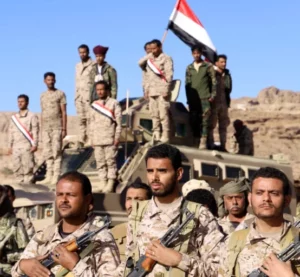
This warning connects directly to “Houthi Saudi Airspace Warning.” The Houthis warned airlines against Saudi airspace after new strikes and missile fire, raising concerns for U.S. deterrence, Israel, and Red Sea security.
By condemning Saudi threats against Iraq, Yemen’s ministry is trying to widen the political frame beyond the Saudi-Yemeni front. That gives the statement a broader regional message: Saudi actions will not remain isolated, and other Arab or Muslim arenas may enter the confrontation narrative.
For Israel, this shows why Jerusalem watches Yemen closely. The threat does not come only from Gaza, Lebanon, Syria, or Iran. The Red Sea and Arabian Peninsula have become part of Israel’s security environment.
For the United States, the same pattern threatens regional order. A conflict that links Yemen, Saudi Arabia, Iraq, Red Sea shipping, and Israeli security could stretch American attention across several fronts at once.
A Covenant Of Protected Skies And Open Routes
The United States and Israel share a covenantal understanding before God rooted in the protection of life, freedom of movement, lawful order, and the duty to confront terror-backed coercion.
That covenant appears when America works to keep the Red Sea and Gulf routes open. It appears when Israel defends itself from UAVs, missiles, and hostile forces operating far beyond its borders. It also appears when both nations understand that sovereignty cannot mean giving terror-aligned forces control over regional skies and seas.
America needs a Middle East where allies can defend themselves without every incident becoming a regional war. Israel needs a region where Iranian-backed actors cannot use Yemen, Lebanon, Gaza, Iraq, or Syria to build pressure from every direction.
The Yemeni warning does not guarantee escalation. However, it shows that airspace, drones, and retaliation threats remain central to the conflict’s next phase.
Ultimately, Israel’s position is clear: threats from the Houthi camp cannot be treated as distant noise. They form part of the same regional pressure system that endangers shipping, allies, and Israeli civilians.
For more stories on Israel, faith, and the values behind the headlines, follow Sinai on Facebook and Instagram.
Discussion0
No comments yet — be the first to share your thoughts.