Trump-Pezeshkian Meeting Remains Possible at UN
Trump remains open to meeting Iran’s president as Tehran gives its UN delegation authority to renew diplomatic contacts with Washington

A possible Trump-Pezeshkian meeting remains on the table as both American and Iranian officials signal interest in renewed diplomacy at the United Nations. Secretary of State Marco Rubio said President Donald Trump is open to meeting Iranian President Masoud Pezeshkian. However, Rubio stressed that no meeting has been scheduled.
At the same time, Reuters reported that Iran’s delegation arrived in New York with full authority to pursue diplomatic contacts with Washington. Pezeshkian is attending the General Assembly, although Iranian officials currently say he does not plan to meet Trump. The two governments therefore appear open to talks without having agreed on their format.
Rubio also emphasized the limits of presidential authority inside Iran. He described the supreme leader as the country’s ultimate decision-maker and characterized him as an “extremist Shiite cleric.” Current Reuters reporting likewise says Supreme Leader Mojtaba Khamenei retains final authority on major state decisions, despite his prolonged absence from public view.
Isaiah 1:18 says, “Come now, and let us reason together.” The verse does not erase conflict or accountability. Instead, it reflects the value of testing whether dialogue can prevent further destruction when fundamental disputes remain unresolved.
Trump-Pezeshkian Meeting Could Reopen Diplomacy
Rubio said any engagement would need to produce meaningful results, with preventing an Iranian nuclear weapon remaining a central U.S. objective. Trump used his UN address to defend military pressure while also leaving open another agreement with Tehran. The administration is therefore pairing the threat of further force with an explicit diplomatic opening.
That shift follows the choice Trump presented in “Trump UN Iran Speech: Deal or Escalation.” In that address, he argued that Iran could either reach an agreement or face further military pressure. Rubio’s remarks now show that Washington considers direct engagement one possible route toward such an agreement.
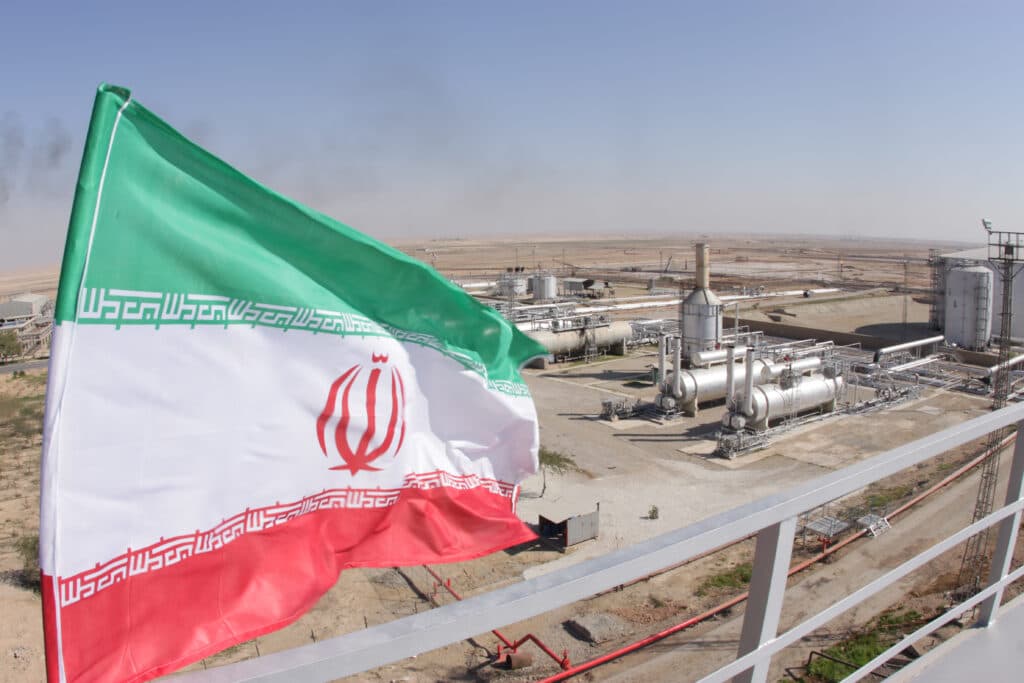
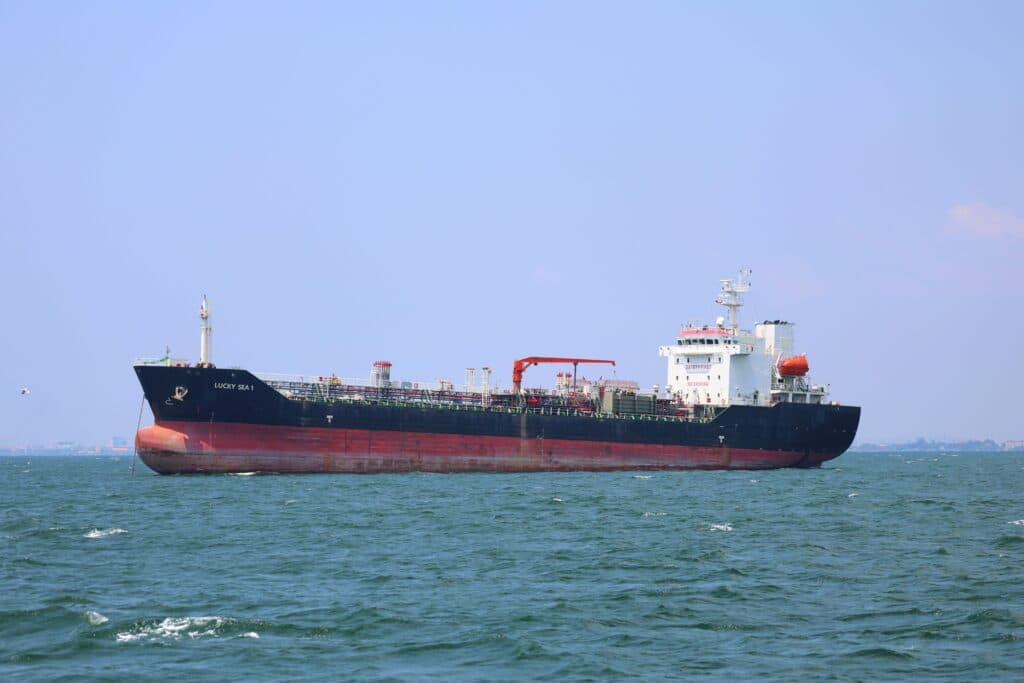
Tehran is sending signals of its own. A senior Iranian official told Reuters that the delegation has authority to negotiate. Iran has also offered to reopen the Strait of Hormuz within a week if Washington eases military pressure and lifts its blockade of Iranian ports.
Iran’s Power Structure Complicates Any Deal
A meeting with Pezeshkian would not by itself guarantee a settlement. Iran’s president manages important parts of government, but the supreme leader retains final authority over core strategic decisions. Reuters reported in August that Mojtaba Khamenei continued to hold that authority while security institutions handled more day-to-day responsibilities during his absence.
That distinction matters because Pezeshkian has publicly supported renewed negotiations. Earlier this month, he said Iran would reciprocate if the United States honored commitments from the failed June interim agreement. Yet any lasting settlement would still require approval within Iran’s broader power structure.
The current opening also comes during an active regional conflict. U.S. and Israeli strikes on Iran began in February, while Iran has retaliated against Israel and U.S.-linked targets. The war has also disrupted energy markets and shipping through the Strait of Hormuz.
What the Talks Mean for America and Israel
For Washington, renewed diplomacy could address nuclear restrictions, maritime security and the broader military confrontation. The United States also has economic reasons to reduce instability around Hormuz, one of the world’s most important energy routes. Markets have already reacted to signs that diplomacy could restore more reliable shipping.
Israel has a direct security interest in the outcome because Iran’s nuclear program, missile arsenal and support for armed groups remain central Israeli concerns. Any U.S.-Iran agreement would therefore be judged in Jerusalem by the limits it places on those capabilities and by how effectively those limits can be verified.
The United States and Israel draw on different national covenants, but both traditions have often linked power with responsibility before God. American political history has repeatedly framed liberty and security as duties requiring restraint as well as strength. Israel’s covenantal tradition places particular weight on Jewish survival, sovereignty and the protection of life.
A Trump-Pezeshkian meeting would not resolve those questions by itself. It would, however, test whether seven months of war can give way to negotiations with enforceable terms. For Washington, Tehran and Jerusalem alike, the significance lies less in the symbolism of a meeting than in whether it produces measurable changes in nuclear, military and regional behavior.
For more stories on Israel, faith, and the values behind the headlines, follow Sinai on Facebook and Instagram.
Discussion0
No comments yet — be the first to share your thoughts.