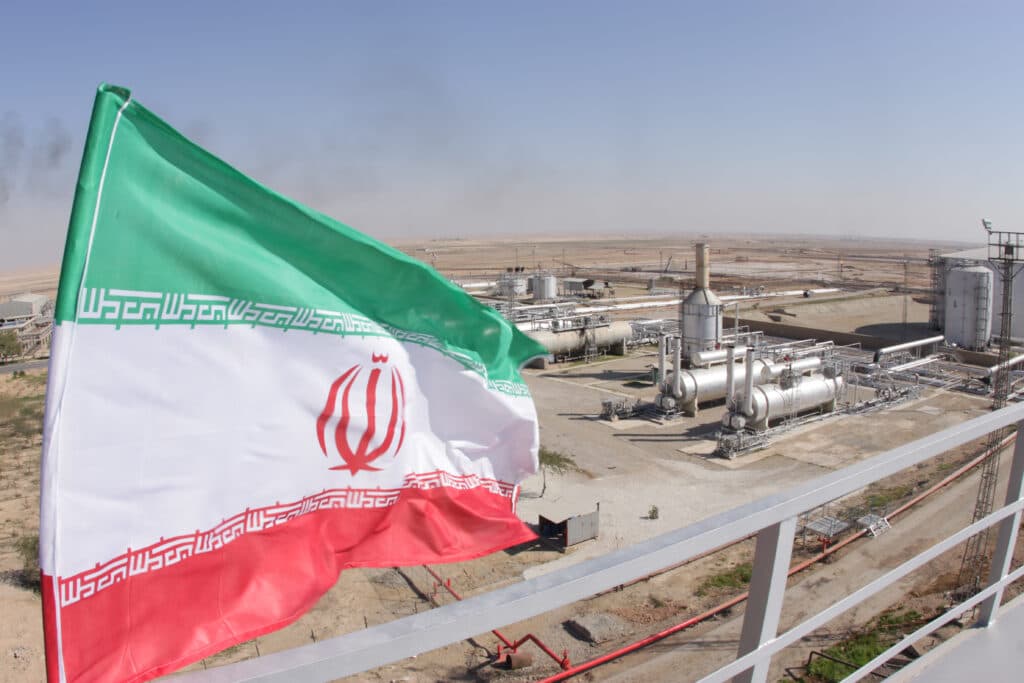
Flydubai Flight Diverted to Saudi Arabia After Cockpit Attack
Flydubai FZ1073 landed safely in Saudi Arabia after a cockpit stabbing, rapid descent and hijacking alert triggered an Israeli security response

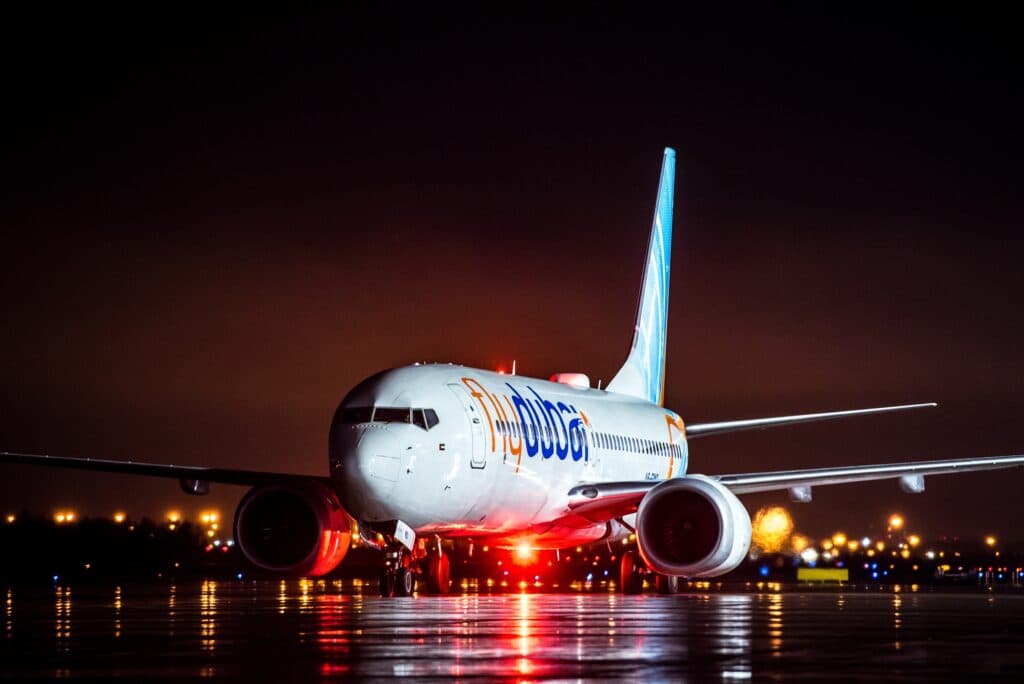
Flydubai FZ1073 made an emergency landing in Saudi Arabia on Wednesday after a violent cockpit incident on its way to Tel Aviv. The Boeing 737 was carrying 174 passengers, including 27 children. All passengers reached the ground safely in Tabuk after a dramatic midair emergency.
What began as an unclear aviation emergency quickly triggered fears of unlawful interference. Israeli officials later said one pilot stabbed the other and apparently tried to crash the aircraft. However, the motive remains under investigation, and flydubai has urged caution against speculation. Reuters reported that Israeli authorities are investigating the incident as a possible terror attack.
Psalm 121:8 declares, “The Lord shall guard thy going out and thy coming in.” Few settings make those words feel more immediate than an aircraft carrying families thousands of feet above the ground. In this case, passengers and crew faced a threat from inside the cockpit itself.
What Happened on Flydubai FZ1073
The aircraft was cruising near 34,000 feet when it suddenly began losing altitude. Flightradar24 data showed a drop of more than 14,000 feet in under 30 seconds during the crisis. The aircraft then struggled to maintain a steady altitude as the emergency unfolded.
FZ1073 first transmitted code 7700, which signals a general aviation emergency. It then briefly switched to 7500, the international code for unlawful interference with an aircraft. That alert immediately raised concerns about a possible hijacking and prompted Israel to scramble fighter jets. Prime Minister Benjamin Netanyahu and Defense Minister Israel Katz also held urgent security consultations.
Passenger accounts described shouting from the cockpit and blood near the flight deck. Israeli officials later said the co-pilot stabbed the captain and attempted to take control of the aircraft. Passengers and crew members intervened and subdued the suspected attacker. Netanyahu said their actions prevented a major disaster.
One Israeli official identified the suspected attacker as an Omani national. That detail has not established his motive, which remains unclear. Reports concerning the nationality of the other pilot have also conflicted, so those claims should be treated cautiously.
The aircraft eventually returned to emergency code 7700 and diverted to Tabuk. Saudi airport authorities said it landed safely at 9:45 a.m. local time. Both pilots had injuries and went to a hospital, while airport officials assisted the passengers. Saudi authorities and flydubai are continuing their investigations.
A Regional Security Test
The location of the emergency adds another layer to the story. A flight connecting the United Arab Emirates and Israel found refuge in Saudi Arabia, a country whose relationship with Israel remains distinct from the UAE’s formal normalization. The response nevertheless showed how quickly civilian aviation can require cooperation across regional borders.
The Dubai-Tel Aviv route itself reflects the transformation that followed the Abraham Accords. The United States helped broker the 2020 agreement that established full diplomatic relations between Israel and the UAE. Direct aviation became one of the most visible results of that new relationship.
That regional framework also gives the incident significance for Washington. American policy has supported greater Israeli-Arab cooperation in security, transportation and commerce. An attack or attempted sabotage aboard one of those routes therefore raises questions far beyond one airline.
The security dimension also recalls “Netanyahu UN Speech: Israel Will Prevail.” In that address, Netanyahu tied Israel’s security to deterrence, Jewish resilience and its alliance with the United States. FZ1073 demonstrated another side of that challenge: protecting Israelis when they travel through an increasingly connected Middle East.
The incident should not be treated as proof of a wider conspiracy. Investigators have not established an organizational connection or publicly confirmed the suspected pilot’s motive. Yet Israel’s rapid military response shows why aviation threats receive immediate attention during a period of intense regional tension.
Guarding Life Across Borders
Israel’s covenantal responsibility before God places the preservation of Jewish life at the center of sovereignty. That responsibility does not end at Israel’s borders. When Israelis travel abroad, intelligence cooperation and rapid security coordination can become part of their protection.
America approaches that responsibility through its own tradition of protecting civilian life, allies and freedom of movement. The Abraham Accords also reflected a U.S. effort to build connections among countries that had once remained separated. Secure civilian travel is one practical measure of whether those connections can endure.
There is also significance in where FZ1073 finally landed. Saudi responders received an Israel-bound aircraft carrying many Israelis during an extraordinary emergency. Whatever the future of regional diplomacy, saving civilian lives required practical cooperation in real time.
What investigators determine about the suspected attacker will be critical. For now, the confirmed picture is already serious: a cockpit stabbing, a violent descent, an unlawful-interference alert and an emergency Saudi landing. All 174 passengers survived.
For more stories on Israel, faith, and the values behind the headlines, follow Sinai on Facebook and Instagram.
Discussion0
No comments yet — be the first to share your thoughts.