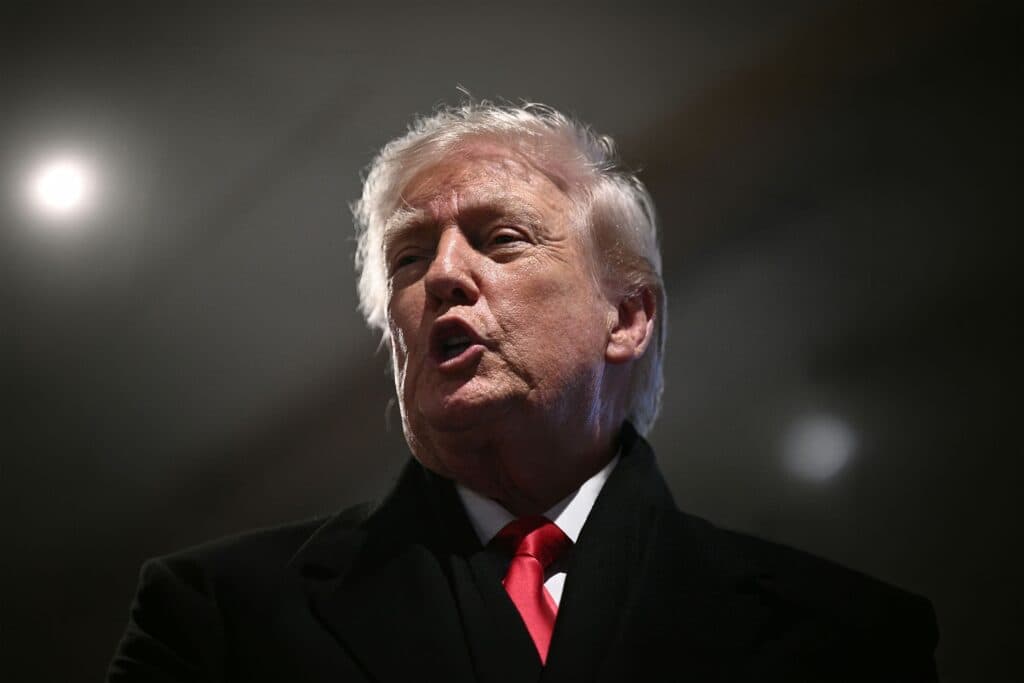
Trump Iran War: Economic Pressure Raises Endgame Question
Rising military, energy and political costs are sharpening the debate over how Trump should bring the Iran war to a durable end

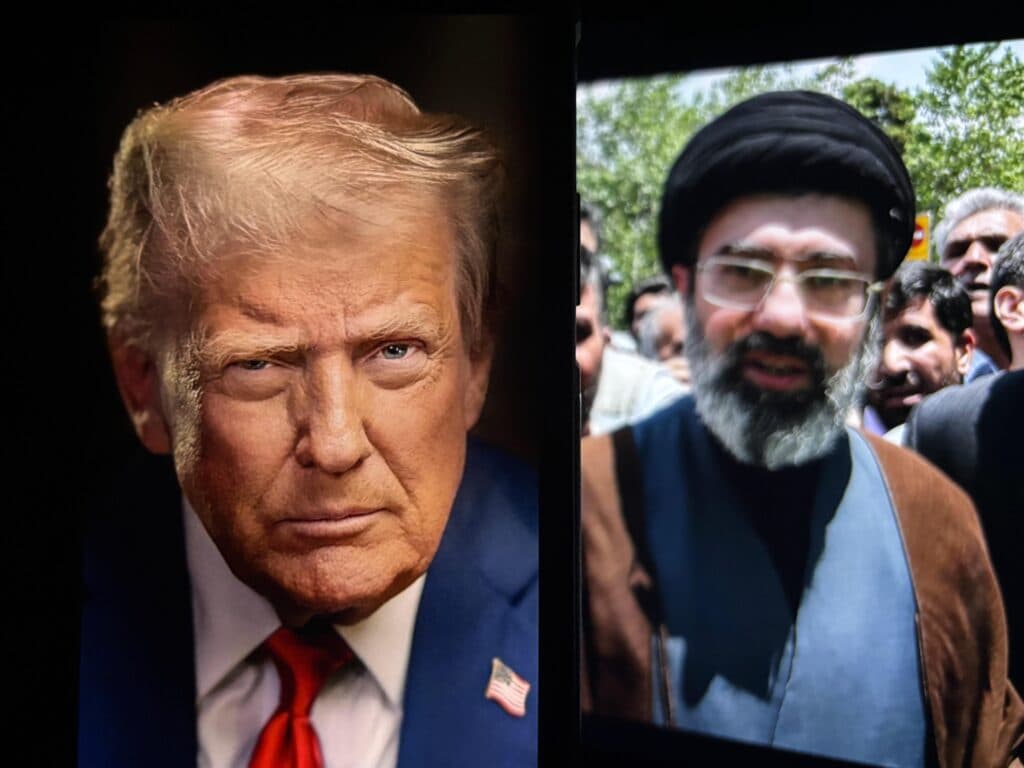
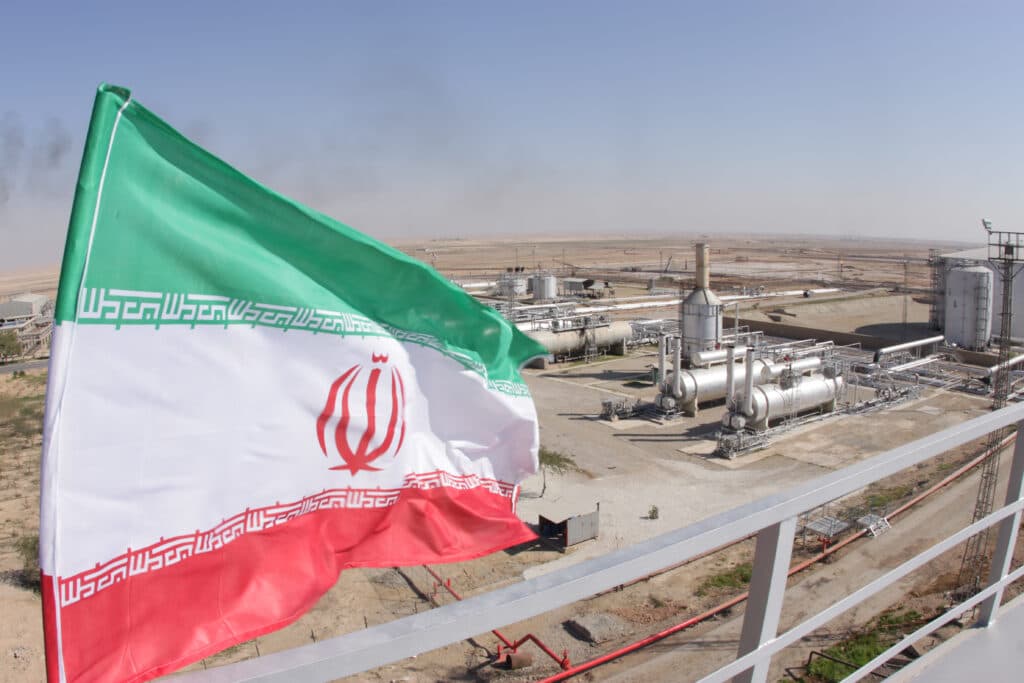
The Trump Iran war is entering a more difficult phase as military pressure on Tehran collides with growing economic and political costs at home. At the UN General Assembly, President Donald Trump again presented Iran with two possible futures. He offered the prospect of economic recovery through an agreement while warning that the United States could instead escalate dramatically against the Islamic Republic.
Trump has also said he believes a settlement remains possible. On Monday, he said talks with Iran were continuing and expressed confidence that an agreement could eventually emerge. That leaves Washington confronting a central strategic question: how long can the current pressure campaign continue before its costs begin undermining the leverage it was designed to create?
Proverbs 24:6 says, “For by wise counsel thou shalt make thy war.” The verse places strategy beside strength. Military power matters, but so do clear objectives, preparation and an understanding of how a conflict is supposed to end.
Trump Iran War Costs Keep Rising
The financial burden has become difficult to separate from the strategic debate. The Congressional Budget Office estimated that the conflict cost almost $40 billion through August 1. It projected another $2 billion to $3 billion in monthly costs, depending on the pace of fighting. A later U.S. military estimate put direct costs at $43.6 billion by September 3.
Those expenses come as total U.S. federal debt has already passed $40 trillion. The war did not create that debt, which reflects decades of spending, taxation and borrowing decisions under both parties. However, additional military spending now lands on an already strained fiscal position.
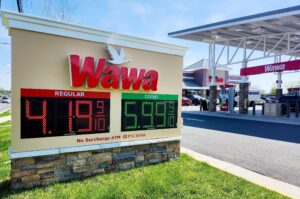
Energy has created the most visible pressure on American households. AP reported a national gasoline average around $4.48 per gallon this month, while diesel has moved above $6. Reuters has warned that record diesel costs can spread through trucking, farming, construction and consumer prices.
Brown University’s Climate Solutions Lab estimated that Americans had already paid more than $100 billion in additional gasoline and diesel costs by early September compared with its no-war counterfactual. CBO also estimated that higher energy costs added about 2.3 percentage points to inflation during the second quarter. It projects another roughly 0.5 percentage point in early 2027 if current pressures persist.
The Strategic Question Is the End State
Those costs have intensified the argument over how Washington should bring the conflict to an end. Supporters of a harder line argue that a prolonged stalemate lets Iran absorb pressure while American costs accumulate. In that view, the objective should be a faster resolution that leaves Tehran unable to rebuild the nuclear and military capabilities that triggered the confrontation.
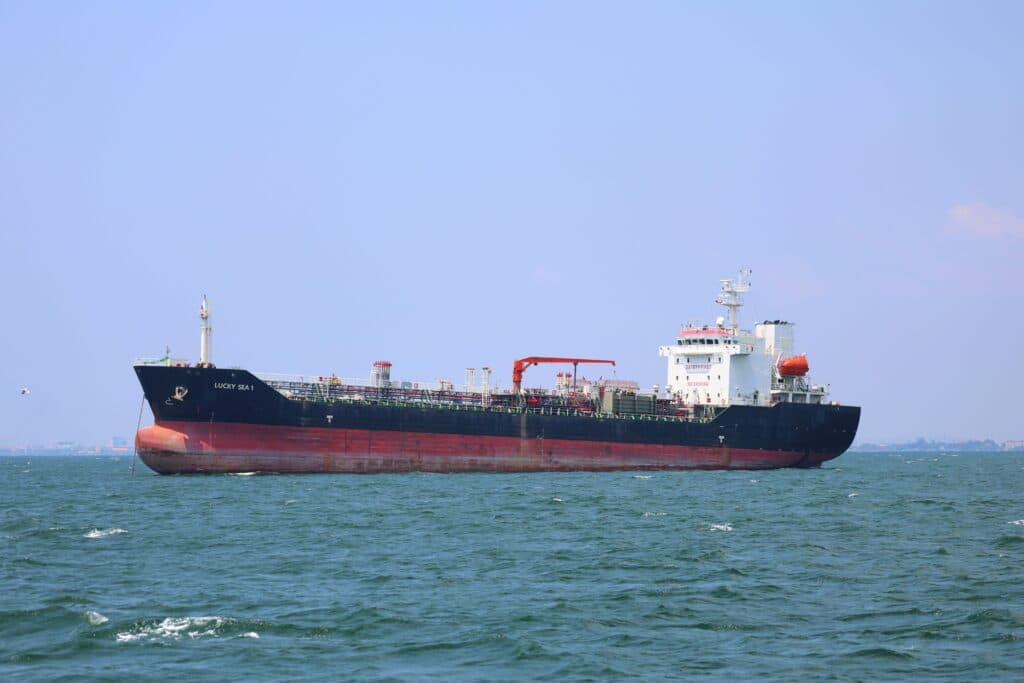
Critics of further escalation make the opposite case. They warn that larger strikes could deepen disruption around Hormuz, increase casualties and consume additional U.S. weapons at a time when stockpile concerns are already growing. Reuters described the conflict in August as a costly stalemate, with Iran weakened but still believing that time could work in its favor.
Domestic opinion adds another constraint. A Reuters/Ipsos poll in late August found that 31% of American adults supported U.S. military action against Iran. A September poll then put Trump’s overall approval rating at 32%, with inflation and the Iran conflict among the pressures weighing on his standing. Those figures measure public opinion at specific moments rather than determining what strategy Washington should choose.
The debate follows directly from “Trump UN Iran Speech: Deal or Escalation.” Trump used that address to make clear that he still sees both outcomes as possible. His administration continues diplomatic contacts while maintaining military and economic pressure on Tehran.
Israel has an immediate interest in how Washington resolves that tension. The war began with joint U.S.-Israeli strikes, and Iran has continued rebuilding parts of its ballistic missile capability despite heavy damage. Reuters reported this month that Tehran had resumed limited missile production using existing components.
A drawn-out conflict therefore carries risks in both directions. Continued pressure may further weaken Iran, but time can also allow Tehran to adapt, rebuild and impose costs through missiles, shipping disruption and regional partners. A rapid escalation could produce different risks, including a wider conflict and greater economic damage.
Strength Requires a Clear Purpose
Israel’s covenantal tradition places the survival and defense of the Jewish people at the center of national responsibility. After October 7 and years of Iranian support for armed groups surrounding Israel, Jerusalem views the Iranian threat through the question of whether another generation can live securely in the Jewish homeland.
America’s national tradition approaches the problem differently but also links power with responsibility. The United States must protect its citizens and allies while preserving military readiness, economic strength and the credibility of its commitments. That creates an obligation not only to confront threats, but to define the political outcome that military force is intended to achieve.
Those principles help explain why the duration of the war now matters almost as much as its battlefield results. Trump has repeatedly argued that Iran cannot obtain a nuclear weapon. He has also continued to leave open a negotiated settlement that would end the conflict under enforceable terms.
The Trump Iran war is therefore reaching a point where time itself has become part of the strategic calculation. Military spending, energy prices, inflation, depleted stockpiles and public fatigue all become more significant the longer the conflict continues. At the same time, ending a war quickly and ending it successfully are not necessarily the same thing.
The question facing Washington and Jerusalem is no longer simply how much pressure they can place on Iran. It is what measurable conditions would constitute an acceptable end state, and whether diplomacy, further military pressure or some combination can reach it without turning a seven-month conflict into a permanent one.
For more stories on Israel, faith, and the values behind the headlines, follow Sinai on Facebook and Instagram.
Discussion0
No comments yet — be the first to share your thoughts.