Trump Kim Jong Un Outreach Cuts South Korea Drills
Trump reduced U.S.-South Korea military exercises while emphasizing his relationship with Kim Jong Un, raising questions for allies and adversaries

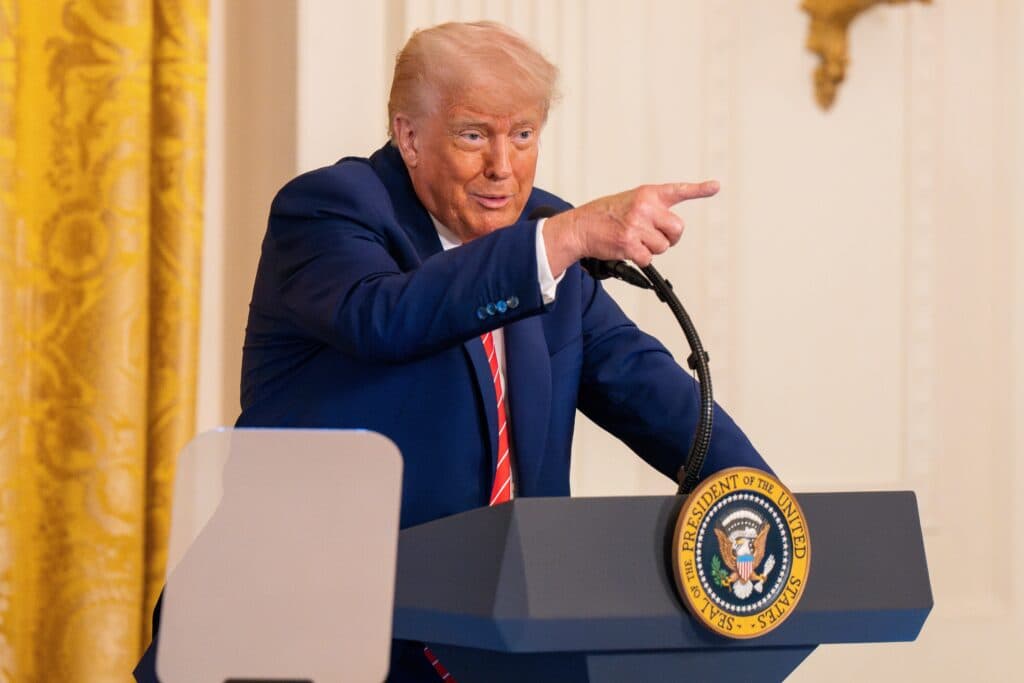
Trump Kim Jong Un outreach is drawing attention after the president moved to reduce U.S. participation in joint military exercises with South Korea.
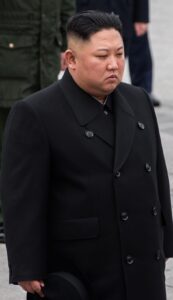
President Donald Trump is courting North Korean leader Kim Jong Un again. He publicly criticized South Korea’s leadership, even though Seoul remains a major U.S. ally and North Korea’s direct enemy. He also announced a reduction in the American role in U.S.-South Korea military drills.
At least publicly, Kim has not answered Trump’s outreach with a major reciprocal move. However, Trump has continued to emphasize his personal relationship with the North Korean leader.
Ecclesiastes says there is “a time for war, and a time for peace.” On the Korean Peninsula, Trump appears to be testing whether personal diplomacy can lower the temperature. Yet the same verse also warns that timing matters. Peace efforts can open doors, but they can also unsettle allies if enemies read restraint as weakness.
Trump Kim Jong Un Outreach
Reuters reported that Trump instructed the Pentagon to “substantially reduce” joint military exercises with South Korea. The annual drills had been set to begin this week.
Trump cited both the cost of the drills and South Korea’s refusal to join U.S. action against Iran. He also pointed to his “very good relationship” with Kim Jong Un.
That matters because U.S.-South Korea drills serve a clear purpose: deterring North Korea. They prepare the allies for missile threats, cyberattacks, drone incursions, and other battlefield scenarios. Cutting them back may help Trump signal openness to Kim, but it also raises questions in Seoul, Tokyo, and Washington.
AP reported that South Korea’s president stressed the strength of the U.S. alliance after Trump’s order. Many officials and analysts were left trying to understand the sudden shift.
Pressure On Allies And Enemies
Trump’s move fits a familiar pattern in his diplomacy. He often uses sharp pressure on allies while opening personal channels with hostile leaders. Sometimes that approach creates leverage. Other times, it creates confusion.
The risk is clear. North Korea is not only a local threat to South Korea. It has nuclear weapons, ballistic missiles, cyber capabilities, and a growing relationship with Russia. Reuters reported that North Korean troops have fought alongside Russia in Ukraine, while North Korean-made missiles have appeared in Russian attacks.
That makes the timing sensitive. If Kim sees reduced drills as an American concession, he may pocket the move without changing course. If Trump uses the reduction to force a new diplomatic track, the move could become part of a broader pressure-and-deal strategy.
The same hard-edged Trump approach appeared in “Trump Fox News Interview: Iran, Oman And Hamas Warnings.” That article reported that Trump warned Iran, discussed Hamas disarmament, and addressed Israel’s elections. In Asia, the question is similar: whether blunt disruption will produce deterrence, or whether adversaries will test the limits.
Covenant Of Strength And Discernment
The United States and Israel carry separate covenantal missions before God, but both understand the need for strength guided by discernment. America’s role is to protect its allies, restrain hostile powers, and keep peace through credible force. Israel’s role is to defend the Jewish people in a region where enemy leaders often study American resolve before choosing their own next move.
That is why this story matters in Jerusalem as well as Seoul. If America appears unpredictable with South Korea, Iran and its proxies will watch. Hamas, Hezbollah, the Houthis, and Tehran all measure how Washington treats allies and adversaries.
Trump may believe his relationship with Kim can open a door. He may also see the reduced drills as a way to force South Korea to carry more responsibility. But the test will not be the gesture. It will be whether North Korea responds with real restraint, or simply uses the moment to gain space.
Diplomacy with dictators can work only when personal outreach rests on unmistakable power. Without that balance, courting an enemy can become a gift. With it, Trump may yet turn disruption into leverage.
For more stories on Israel, faith, and the values behind the headlines, follow Sinai on Facebook and Instagram.
Discussion0
No comments yet — be the first to share your thoughts.