Trump Iran Threat: One Ship Hit, One Bridge Or Power Plant Hit
Trump warned Iran that any attack on ships in the Strait of Hormuz would trigger a U.S. strike on a bridge or power plant.

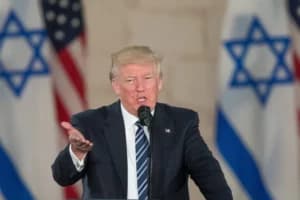
Trump Iran threat warns that the United States will respond directly if the Islamic Republic targets vessels in the Strait of Hormuz.
In the statement, Trump said that from this point forward, any Iranian attack on a ship in the Strait of Hormuz, whether by missile, rocket, drone, or another weapon, would trigger an American counterstrike.
Trump said the United States would “bomb and destroy one bridge or power plant,” including targets located near or inside Tehran. The warning marks a sharp escalation in American deterrence language. It also places Iran’s maritime aggression at the center of the current confrontation between Washington and Tehran.
The Tanakh tells us, “When justice is done, it is a joy to the righteous, but terror to evildoers.” That principle fits this moment because deterrence works only when aggressors believe their actions will carry a real cost.
Trump Iran Threat
Trump’s message creates a simple equation: if Iran attacks a ship, Iran will lose strategic infrastructure. That kind of warning aims to remove ambiguity. Instead of responding case by case, Trump is telling Tehran that attacks on maritime traffic will bring immediate consequences on land.
For the United States, the Strait of Hormuz is not only a regional issue. It is a global artery for shipping, energy markets, U.S. military posture, and allied confidence. If Iran can threaten vessels there without consequence, it can pressure world markets and challenge American deterrence.
For Israel, the warning matters because Iran’s maritime threats belong to the same system that arms Hezbollah, Hamas, the Houthis, and Iraqi militias. Tehran does not separate fronts. It uses missiles, drones, ships, proxies, and propaganda as parts of one pressure campaign.
Rubio’s Warning Becomes Trump’s Equation
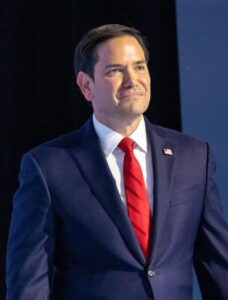
That point connects directly to “Rubio: Iran Must Stop Attacking Ships.” Secretary of State Marco Rubio said Iran must stop attacking ships and change its conduct before the United States changes its own approach.
Trump’s statement appears to turn that diplomatic warning into a military formula. Rubio said Washington remains open to diplomacy, but he also stressed that Iran’s actions matter more than its messages. Trump’s new threat follows the same logic: talks may remain possible, but ship attacks will not pass unanswered.
For Israel, this distinction is essential. Jerusalem has long warned that Iran often uses negotiations to delay pressure while continuing aggression through other channels. Therefore, any American policy that ties diplomacy to concrete Iranian behavior strengthens Israel’s position.
At the same time, the warning could invite an Iranian counter-threat. Tehran may try to preserve its image by announcing its own “equation” against American or allied targets. That risk makes U.S.-Israel coordination even more important.
Covenant Of Resolve At Sea
The United States and Israel share a covenantal understanding before God rooted in freedom, protection, justice, and the defense of innocent life.
That shared covenant appears when America defends open seas and Israel defends its people from Iranian-backed terror. It appears when both countries reject the idea that aggressive regimes can endanger civilians, trade routes, and allied nations without paying a price.
In this story, the shared value is resolve.
America’s role is to keep international waters open and protect its forces and partners. Israel’s role is to confront the same Iranian system from the front line. Together, their interests meet in a simple truth: peace becomes impossible when Iran can attack ships, threaten borders, and hide behind diplomatic language.
Trump’s warning does not end the danger. However, it clarifies the cost of escalation.
If Iran wants a different American response, it must change its behavior. If it continues targeting ships, then Washington has now put Tehran on notice.
Ultimately, the message is direct: the Strait of Hormuz will not become Iran’s hostage zone. For America and Israel, that clarity matters because deterrence at sea helps protect stability on land.
For more stories on Israel, faith, and the values behind the headlines, follow Sinai on Facebook and Instagram.
Discussion0
No comments yet — be the first to share your thoughts.