Trump Georgia Rally: Immigration, Faith and Middle East Claims
Trump used a Georgia campaign rally to address Somali immigration, religion, Greenland, Venezuela and the economic consequences of the Middle East conflict
Sinai Desk
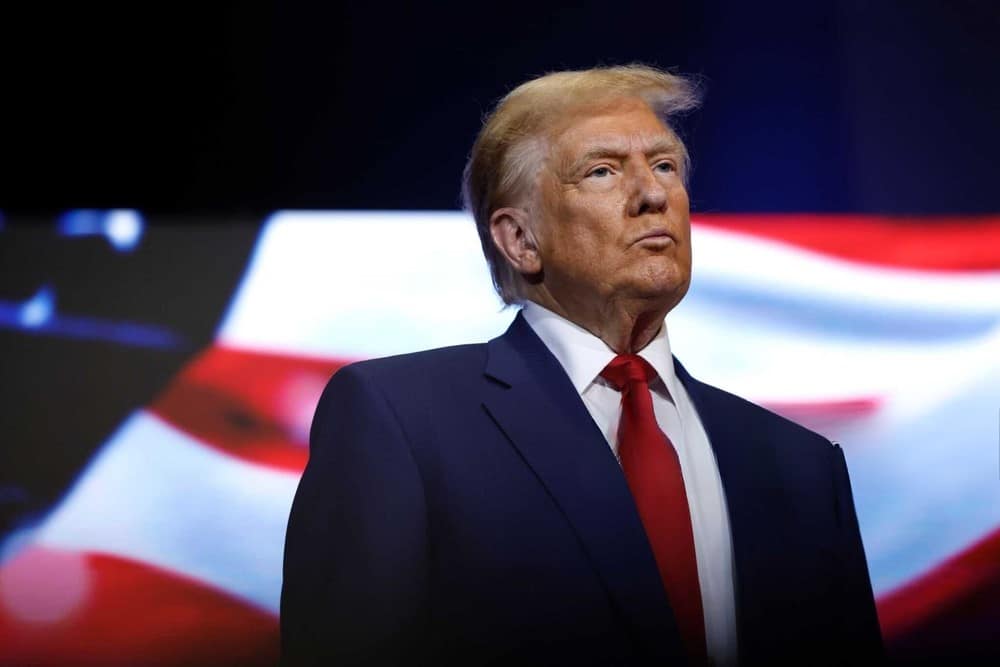
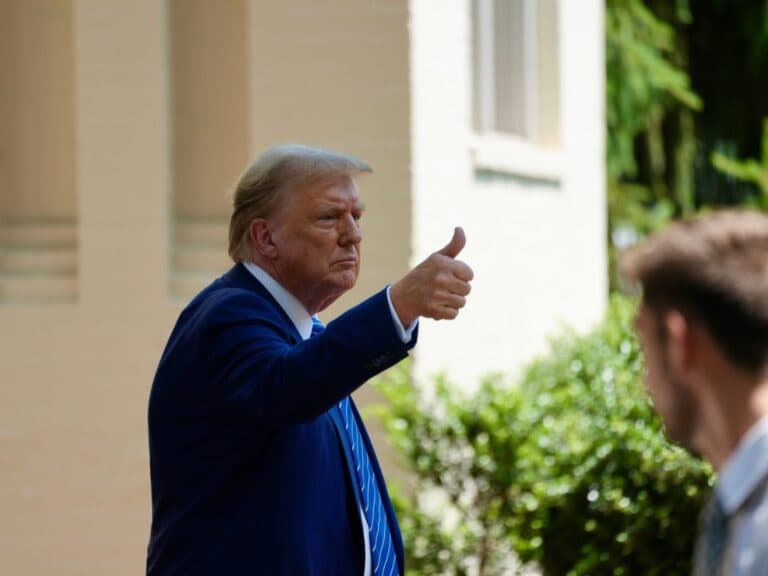
The Trump Georgia rally on Saturday ranged from immigration and religion to Greenland, Venezuela and the war in the Middle East as President Donald Trump campaigned for Republican candidates ahead of the November 3 midterm elections. Speaking in Perry, Georgia, Trump used some of his sharpest language on Somali immigration while also promoting his administration’s foreign-policy agreements and arguing that religion should hold a stronger place in American national life.
The remarks mixed policy arguments with several sweeping factual claims. Proverbs 18:17 says, “He that is first in his own cause seemeth just; but his neighbour cometh and searcheth him.” In political life, that principle makes scrutiny essential: a leader’s claims should be weighed against the underlying facts, even when the broader policy debate is legitimate.
Trump Georgia Rally Turns to Immigration
Trump criticized immigration from Libya, Yemen, Haiti and Somalia, reviving his use of vulgar language to describe countries he believes send migrants who place burdens on the United States. He asked why America does not receive more immigrants from countries such as Norway, Sweden and Denmark. He then claimed that 98% of Somalis in the United States do not work and accused members of the community of widespread theft.
The employment claim is not supported by available government data. Earlier this year, Trump made a similar claim that 92% of Minnesota Somalis did not work. Census-based analysis found that about 72% participated in the labor force, while Minnesota Compass estimates that nearly 70% of working-age Somali adults were employed during 2020-2024. PolitiFact found the earlier claim false.
That does not erase legitimate debates over immigration levels, welfare use, assimilation or criminal fraud. Federal prosecutors have pursued major fraud cases involving defendants from Minnesota’s Somali community. However, those cases do not support portraying an entire ethnic community as unemployed or criminal.
Trump also returned to two foreign-policy achievements he has highlighted throughout the campaign: Venezuela and Greenland. “We got them both,” he told the crowd, presenting the arrangements as acquisitions secured without direct payment by the United States.
That description is accurate only in a much narrower strategic sense. Washington signed an unprecedented security agreement with Denmark and Greenland in September that greatly expands American military access, including new defense areas and long-term basing rights. The agreement itself explicitly reaffirms Danish sovereignty and Greenland’s right to self-determination, meaning Greenland was not transferred to the United States.
Venezuela presents a different arrangement. The Trump administration reached an extraordinary oil agreement granting Washington control over an estimated 65 billion barrels of Venezuelan reserves. That is a major American economic and strategic gain, but it is an oil agreement, not a transfer of Venezuelan sovereignty to the United States.
Religion and the Middle East Enter the Campaign
Trump also shifted toward faith, telling supporters that America could not remain a great nation without restoring religion to “a much stronger status.” The statement fits his broader effort to appeal to evangelical and other religious voters, while also raising familiar constitutional questions about the relationship between faith and government.
The American constitutional system protects the free exercise of religion while prohibiting the federal government from establishing an official religion. Trump’s argument Saturday was political and cultural rather than a detailed constitutional proposal, presenting religious belief as a source of national strength.
He then connected his economic message directly to the Middle East. Trump said the American oil and gas industry was making “hundreds of billions of dollars” because of developments in the region, pointing to increased domestic production and investment as Gulf instability disrupts energy markets. Independent market data confirms that the Iran conflict has pushed global oil prices sharply higher, although higher prices can benefit producers while increasing costs for American consumers.
That claim places the rally squarely within the wider confrontation examined in “Iran ‘Apocalyptic War’ Warning Targets U.S. and Israel.” Iranian military officials have warned that renewed American and Israeli action could widen the conflict across the Middle East, while Trump has increasingly portrayed U.S. military and economic strength as leverage against Tehran.
The stakes are especially significant for Israel. American energy production can soften the economic impact of disruptions around the Strait of Hormuz, while U.S. military power remains central to deterrence against Iran and the protection of regional allies. At the same time, instability that raises American oil profits can also drive up transportation, manufacturing and household costs across both countries.
Faith, Power and the Responsibility of Leadership
Israel’s covenantal mission before God centers on preserving Jewish sovereignty, defending Jewish life and maintaining the strength necessary to confront enemies that openly threaten the nation. American decisions involving Iran, Gulf energy and regional military power therefore carry direct consequences for Israel’s security.
America’s covenantal tradition developed around a different national experience. It joins religious liberty with constitutional self-government and places political authority ultimately in the hands of citizens. Faith can shape the moral convictions of voters and leaders without eliminating the constitutional protections that allow Jews, Christians, Muslims and others to worship freely.
Trump’s Georgia speech brought those themes together in unusually direct fashion: borders, national identity, religion, energy and American power abroad. Some of his claims were grounded in major strategic agreements, while others went considerably beyond what available evidence supports.
That distinction matters in an election season. Strong national policy requires more than strong rhetoric. It also requires facts precise enough to withstand scrutiny, particularly when decisions made in Washington can affect American communities, Israeli security and the balance of power across the Middle East.
For more stories on Israel, faith, and the values behind the headlines, follow Sinai on Facebook and Instagram.
Discussion0
No comments yet — be the first to share your thoughts.