Trump Delays Iran Strike As IRGC Threatens Israel And Britain
Trump is reportedly delaying a large-scale Iran strike after military warnings, as the IRGC threatens Britain, Gulf states, and Israel

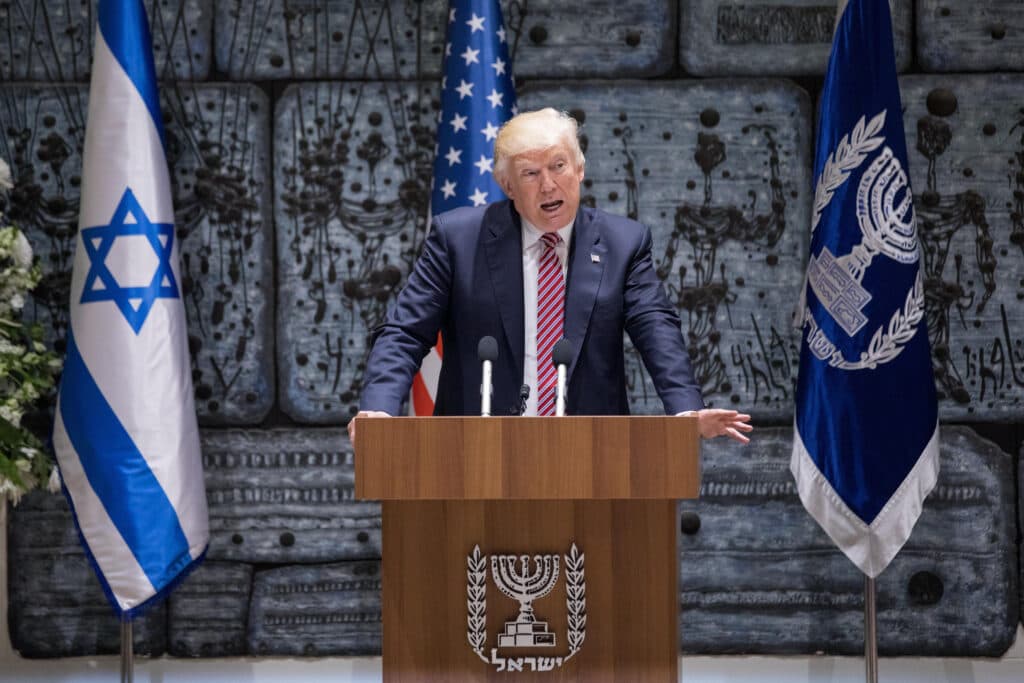
The Iran strike delay reported by The New York Times points to a tense pause in the war, as President Donald Trump weighs a larger attack while Iranian officials threaten Britain, Gulf states, and Israel.
According to the report, Trump is delaying a large-scale strike on Iran after warnings from advisers, including Chairman of the Joint Chiefs of Staff General Dan Caine. Caine reportedly warned that major escalation could dangerously deplete the stockpile of interceptors used by U.S. air defense systems in the Middle East.
The article has gained significant traction on Iranian channels and across Shiite axis media, where it is being used to suggest that Washington faces limits despite Trump’s strong public threats.
The Tanakh says, “By wise guidance you shall wage your war.” That verse fits this moment because strength alone is not enough. A serious war effort requires timing, stockpiles, intelligence, restraint, and the ability to distinguish tactical patience from weakness.
Iran Strike Delay
Trump’s posture has moved between sharp threats and tactical pauses. That can look inconsistent from the outside. However, it also reflects the reality of presidential decision-making during a fast-moving regional war. Trump has threatened Iran with heavy consequences, yet he is also listening to military advisers who must account for ammunition, air defense capacity, and the risk of wider escalation.
For the United States, the interceptor issue matters because American forces protect bases, ships, allies, and regional partners across a broad theater. If a large strike drains defensive stockpiles too quickly, Washington could expose its own forces and friendly countries to greater danger.
For Israel, that concern is also relevant. Israel depends on strong American deterrence in the region, but it also needs America to remain capable throughout the campaign, not only during one dramatic strike.
IRGC Threatens Britain And Israel

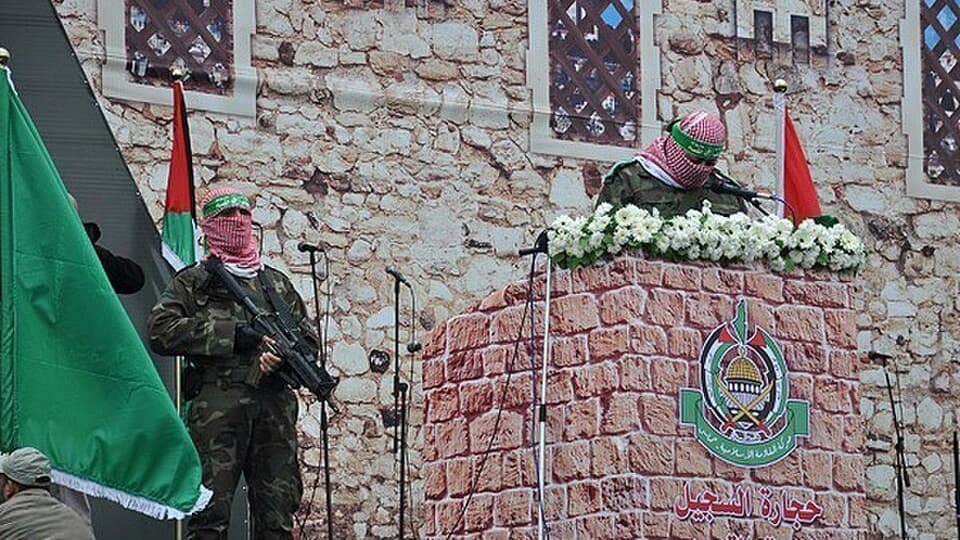
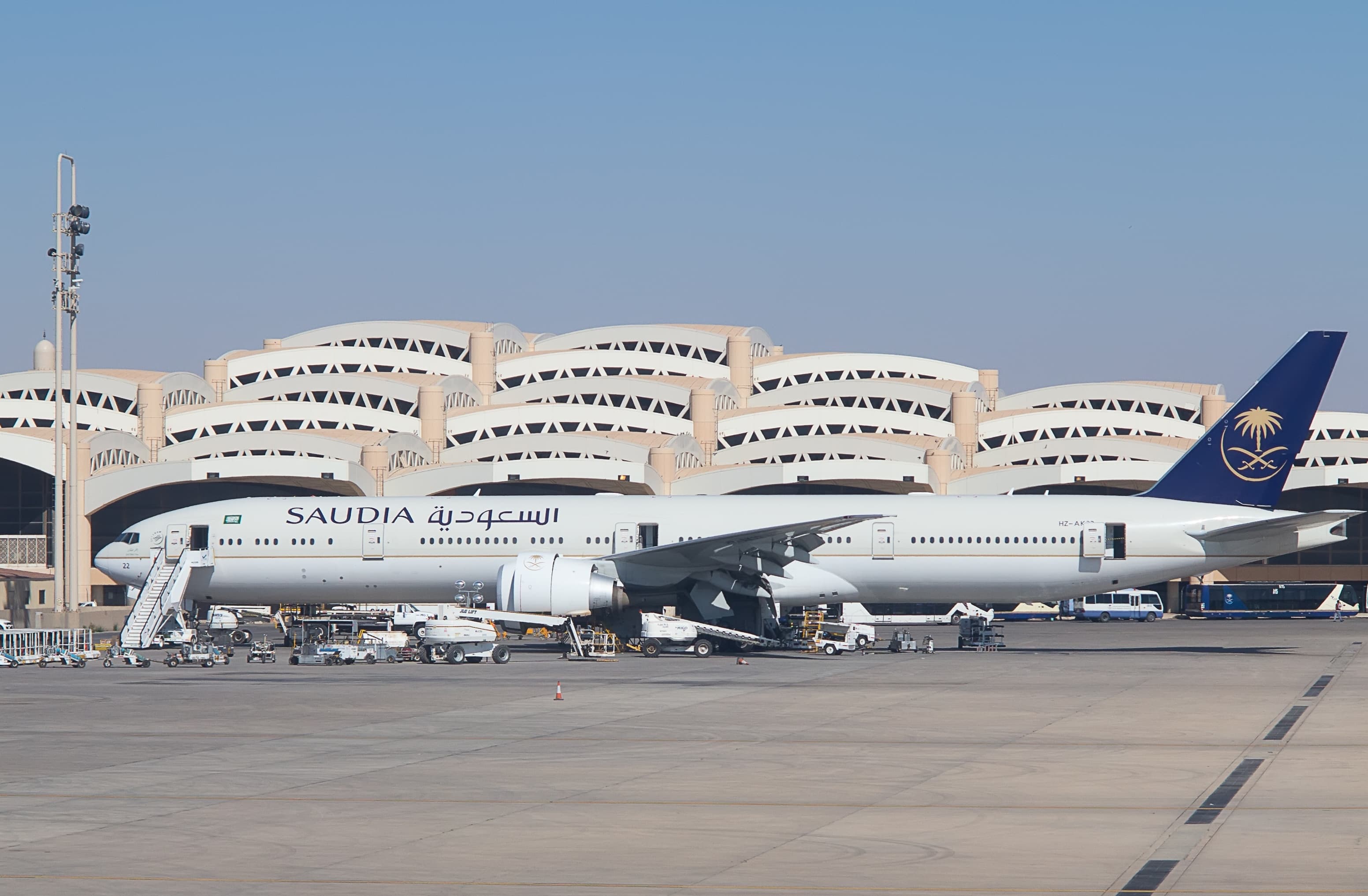
The pause did not stop Iranian threats. The spokesperson for the Iranian Revolutionary Guards warned that any country supporting the United States in the war, including Britain, Gulf states, or any other country, would become a legitimate target. He singled out Britain, saying American B-1 bombers recently used British airfields and that continued cooperation would make Britain a “definite and legitimate target.”
The IRGC also accused Israel of inciting Trump and providing misleading information to keep the United States in the region. The spokesperson warned that if the war resumes, Iran would focus on Israel and said Israel understands “what its fate will be.”
That threat is central to Israel’s security picture. Iran is trying to separate America from Israel by portraying Jerusalem as the driver of U.S. policy. At the same time, Tehran is threatening the Jewish state directly, proving why Israel sees Iran as the core regional danger.
A Pause, Not An End
This development connects directly to “Fox Commentators Discuss Possible U.S. Targets In Iran.” Fox News commentators discussed possible U.S. strikes on Iranian power, nuclear, dam, and gas infrastructure as tensions with Tehran grow.
The current pause shows that the discussion of possible targets has not disappeared. Instead, it has moved into a more careful phase.
For the second consecutive night, no American strikes took place in Iran, and the Iranians also held their fire. That quiet may suggest that both sides are testing the limits of deterrence before deciding whether to escalate again.
The United States and Israel share a covenantal understanding before God rooted in protection, freedom, justice, and the defense of innocent life. That shared covenant is not about reckless war. It is about the moral duty to defend free nations, protect civilians, and resist regimes that use terror, missiles, and threats as tools of policy.
In this moment, that covenant points toward disciplined strength. America must preserve the military capacity needed to defend its forces and allies. Israel must remain alert as Iran threatens to turn renewed fighting toward the Jewish state. Together, the two countries face the same strategic test: how to confront Iran without allowing Tehran to dictate the timing, scale, or battlefield of the war.
Ultimately, the absence of strikes does not mean the crisis has ended. It means the confrontation has entered a dangerous waiting period, where every threat, pause, and military movement carries strategic weight.
For more stories on Israel, faith, and the values behind the headlines, follow Sinai on Facebook and Instagram.
Discussion0
No comments yet — be the first to share your thoughts.