

God to Abraham: “I will surely multiply your descendants as the stars of heaven,” AI Illustrative | Photo: Shutterstock
Takeaways
- God’s promises to Abraham grow across four separate chapters in Genesis, not just one.
- The land promise comes with a legal, binding covenant, not a vague blessing.
- Circumcision becomes the sign that the covenant is lived out, not just believed.
- Ishmael is blessed, but the covenant line runs through Isaac.
- The promise reaches beyond one family to bless “all the families of the earth.”
There’s an old story about a man named Avram who packs up his household and walks into the unknown. He has no map. He has no address for where he’s going. He just has a voice telling him to go.
That’s how the whole story of Israel begins. One man, one call, and a promise that still shapes headlines today.
Every generation asks the same question: does God actually keep His word? The answer has been standing in plain sight for thousands of years, in the unbroken connection between the Jewish people and this specific land.
The First Promise in Genesis 12
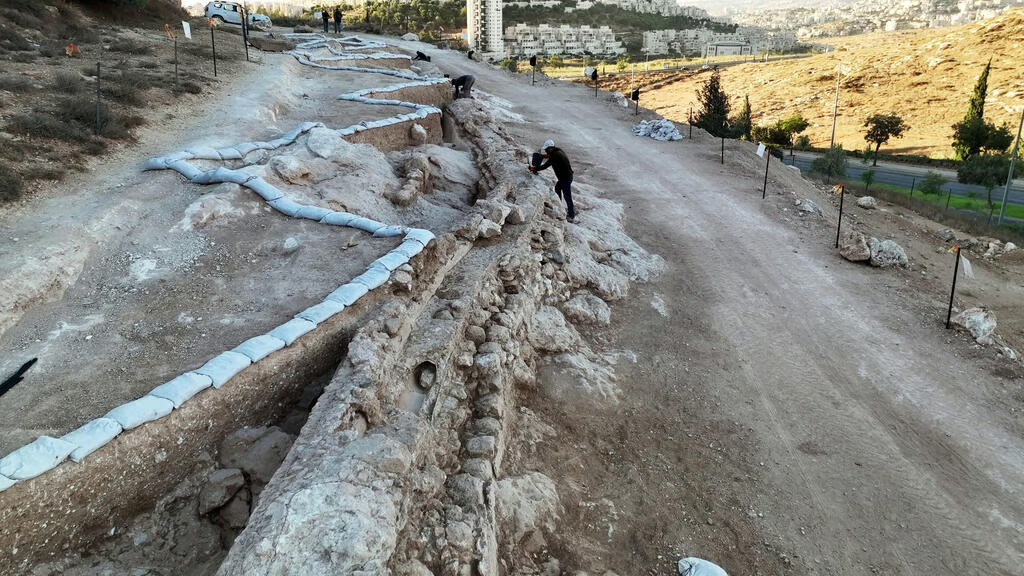
God tells Abraham to leave his country and head toward a land he hasn’t seen yet. In return, God promises three things: land, descendants, and blessing for the whole world through him.
As God says, “I will make of you a great nation… and in you all the families of the earth shall be blessed” (Genesis 12:2-3).
Abraham’s calling reaches far past his own success. It marks the start of something much bigger. Abraham is stepping into a role that shapes the rest of biblical history, whether he understands the scope of it yet or not.
The Covenant in Genesis 15
A few chapters later, the promise gets formal. God cuts a covenant with Abraham, and the language shifts from casual promise to binding agreement.
“To your descendants I give this land” (Genesis 15:18), God says, sealing the deal.
The land promise isn’t a spiritual metaphor here. It’s tied to a real covenant with real terms. Traditional Jewish teaching treats this chapter as the foundational moment connecting Israel as a people to Israel as a place, a connection that’s still being lived out today.
The Everlasting Covenant in Genesis 17
Here the deal becomes permanent. God says the covenant will last for Abraham’s descendants after him, forever: “I will establish My covenant between Me and you and your descendants after you… for an everlasting covenant, to be God to you and to your descendants after you.” (Genesis 17:7).
This chapter also introduces circumcision as the sign of that covenant. The promise becomes something to carry in the body, generation after generation, not just something to believe. That’s a detail most casual readers skip past, and it’s the hinge holding the whole chapter together.
Two Sons, But Only One Covenant
Ishmael is Abraham’s firstborn son, born to Hagar, Sarah’s servant, years before Isaac ever arrives. God Himself blesses Ishmael directly, promising to make him fruitful and the father of a great nation in his own right. Isaac comes later, born to Abraham and Sarah themselves, and becomes Ishmael’s younger half-brother. Both boys share the same father, both carry Abraham’s blood, and both receive that direct blessing from God. But the covenant itself, the specific promise of land and an everlasting relationship with God, doesn’t pass to Ishmael. It runs through Isaac, the son born within the covenant God had already made with Abraham and Sarah. Two sons, both blessed by God, but only one carrying the covenant line forward into the story of Israel.
This single detail is why Jewish tradition reads Genesis as the start of a specific people with a specific mission, not just a general spiritual idea floating in the ancient world.
Trivia fact: Abraham was 100 years old when Isaac was born, and Sarah was 90. Jewish tradition points out that the name Isaac (Yitzchak in Hebrew) is connected to the Hebrew word for laughter, since Sarah laughed when she first heard the news.
The Oath in Genesis 22
The promise gets sealed one more time, after the binding of Isaac on Mount Moriah. God swears by Himself this time, the strongest form of oath in the ancient world:
“By Myself I have sworn, declares God, because you have done this and have not withheld your son, your only son, I will surely bless you, and I will surely multiply your descendants as the stars of heaven and as the sand on the seashore. And your descendants shall possess the gate of their enemies, and in your descendants shall all the nations of the earth be blessed, because you have obeyed My voice” (Genesis 22:16-18).
By this point, the promise of land, descendants, and blessing has been stated, formalized, made everlasting, and sworn under oath. Four separate confirmations. That’s the language of something permanent.
The Everlasting Promise
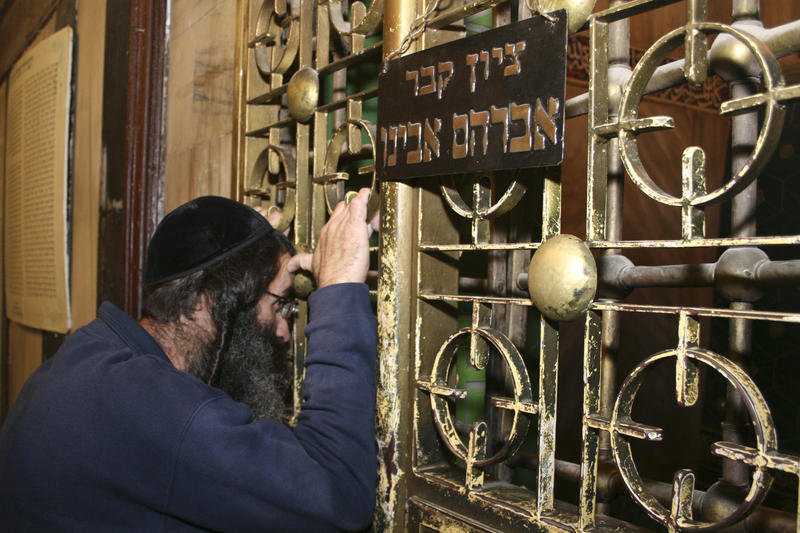
Walk through Hebron today and you’ll find people gathered at the traditional burial site of Abraham and Sarah, the same way families have gathered there for centuries. The land promise from Genesis 15 still holds today, a living address passed down for thousands of years.
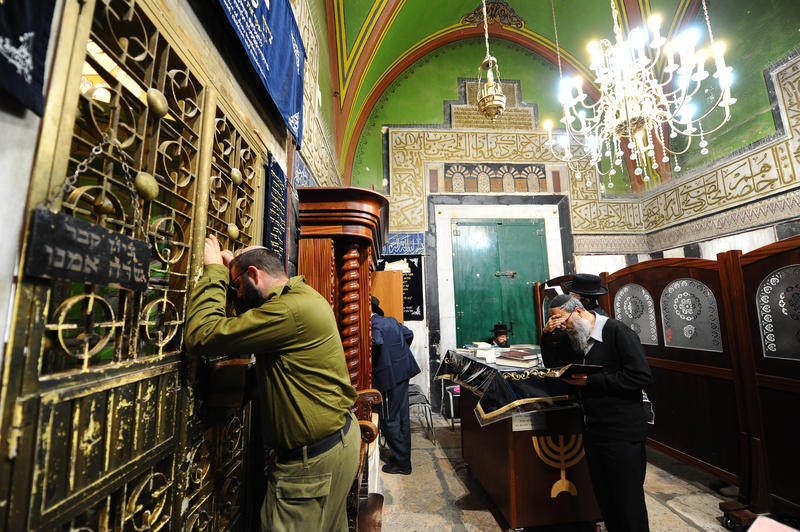
That’s the proof. A people still standing on the land they were promised, still carrying the covenant in their bodies and their history. Every generation asks whether God keeps His word. The Jewish people, still here, still connected to this specific ground, are the answer.
Abraham, the man who left home with nothing but a voice and a direction became the reason a specific strip of land, a specific people, and a specific hope still exist thousands of years later.
Want to keep reading? Read here about where notes from around the world end up after the Western Wall. Explore more on faith, values, and the Land of Israel at Sinai Project.
Discussion0
No comments yet — be the first to share your thoughts.