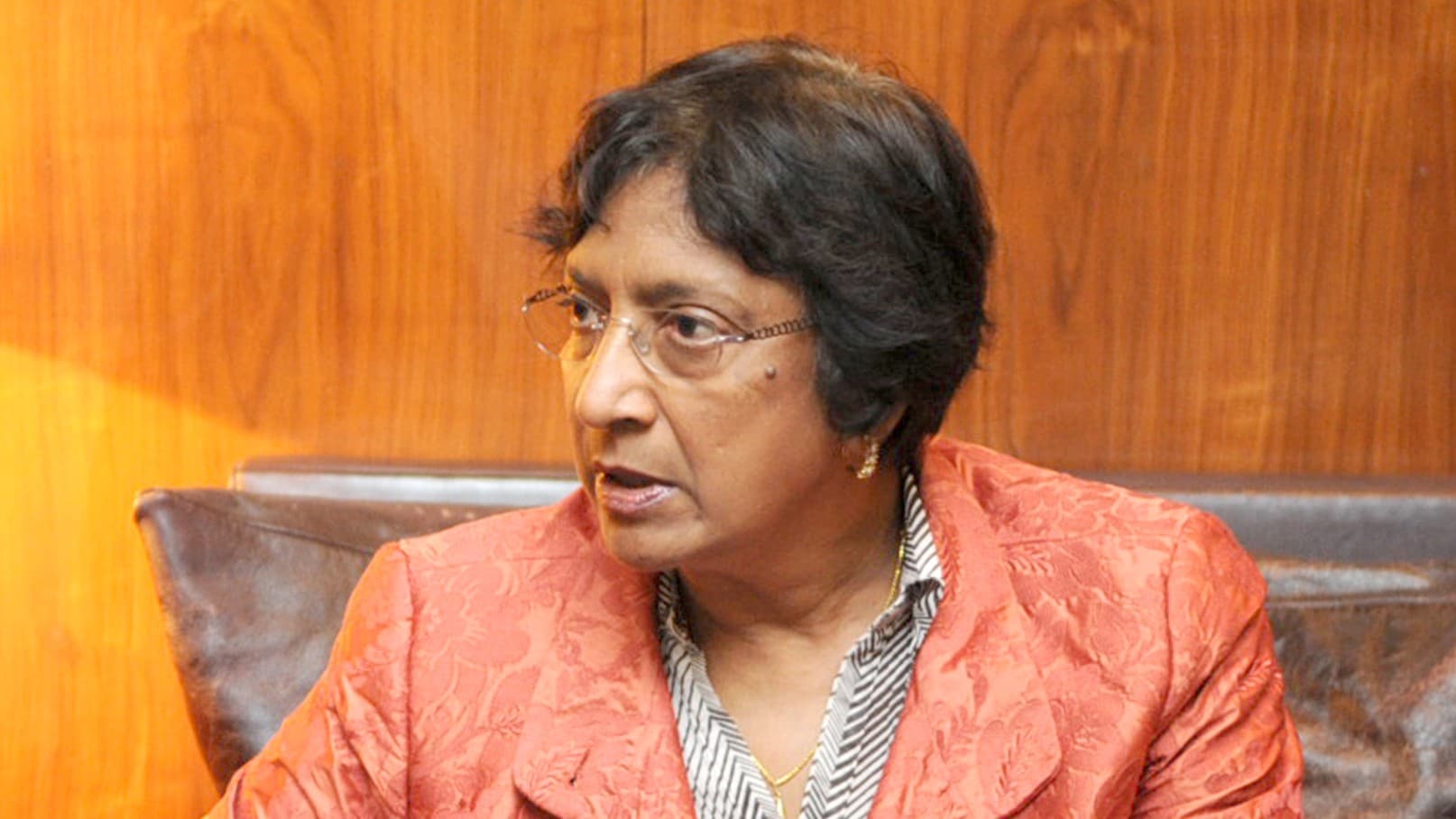
Navi Pillay, United Nations High Commissioner for Human Rights, during a visit to Brazil on November 12, 2009 | Photo: Wikimedia
Takeaways
Navi Pillay, 85, won the 2026 Nobel Peace Prize.
She chaired the UN commission that accused Israel of genocide.
Israel’s Foreign Ministry called the award a grotesque weaponization of the prize.
The committee has a long record of honoring the wrong people.
The Hebrew Bible warns against calling evil good.
On October 9, 2026, Oslo announced that Navanethem “Navi” Pillay had won the Nobel Peace Prize. The committee cited her efforts to promote peace and international law.
Two days after the anniversary of October 7, the most famous peace award on earth went to the woman whose commission accused Israel of genocide. I’ve watched this committee for years, and I still found it hard to read the announcement twice.
Who is Navi Pillay
Pillay is a South African jurist who served on the Rwanda tribunal and the International Criminal Court. She then spent six years, 2008 to 2014, as the UN High Commissioner for Human Rights.
In 2025 she chaired a UN-backed commission that concluded Israel committed genocide in Gaza. Israel rejects that finding, and the commission doesn’t speak for the UN itself.
Critics such as the Jerusalem Center for Public Affairs called her comments antisemitic. They pointed to her downplaying of Palestinian terror attacks, her description of the killing of Israelis as “armed resistance,” and her refusal to name a single Palestinian terror organization. They also cited her position that Israel has no right of self-defense against Palestinians and her claim that Israel is the “root cause” of the conflict.
The Wall Street Journal editorial board went further. It wrote that the report offered no evidence of genocidal intent and treated the Hamas massacre as a quasi-justifiable response.
What October 7 Looked Like
On October 7, 2023, Hamas murdered about 1,200 people in southern Israel. Those of us who live here remember how that holy morning began, and how quickly it ended.
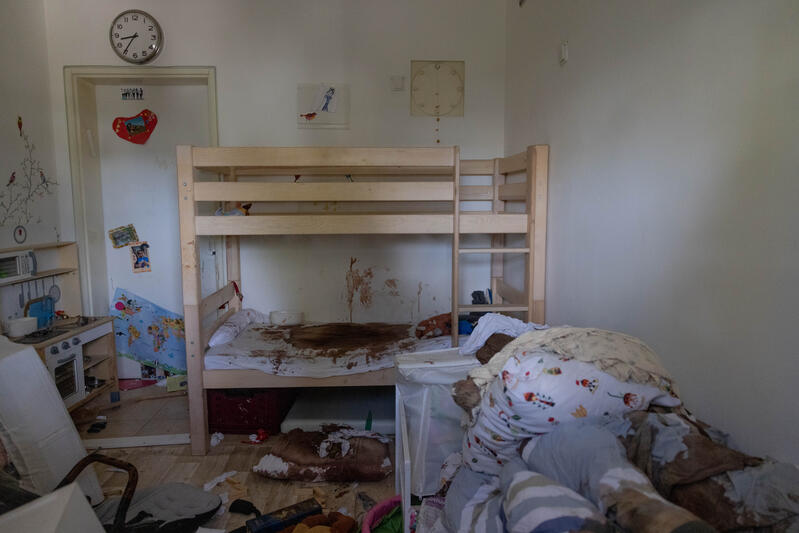
The WSJ board notes that Hamas hid behind civilians in mosques, schools and hospitals. A report that weighs that evidence lightly and still reaches a verdict of genocide deserves hard questions. Israel has called the accusation a blood libel, and it has the right to ask who benefits from the label.
Israel’s Foreign Ministry said the prize isn’t recognition of justice and called it a weaponization of the award. Prime Minister Netanyahu’s office said the committee had lost its moral compass.
What the Hebrew Bible Says About Calling Evil Good
Isaiah 5:20 pronounces woe on those who call evil good and good evil. That verse describes a prize that honors the accuser and passes over the victim.
The Hebrew Bible also tells Abraham, “I will bless those who bless you” (Genesis 12:3). People of faith have always understood that this promise carries a duty to speak when Israel is slandered.
A Long Line of Farcical Winners
Moral confusion is an old habit in Oslo. In 1994 the prize was shared by Israeli leaders Yitzhak Rabin and Shimon Peres and PLO chairman Yasser Arafat. Committee member Kåre Kristiansen resigned in protest, calling Arafat unworthy because of his record of terrorism and violence.
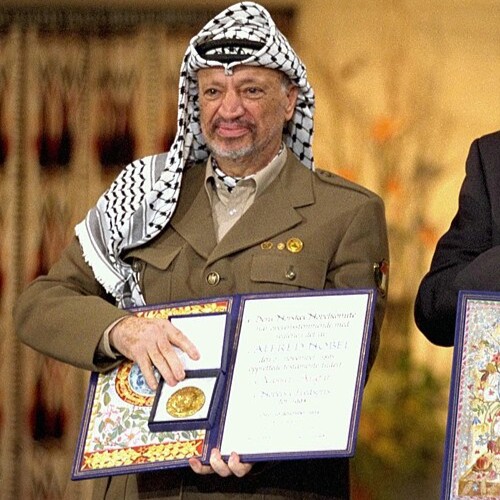
The Oslo process didn’t bring lasting peace. Terrorism continued, negotiations collapsed, and Rabin was assassinated in 1995. Critics across the political spectrum have since called the 1994 award premature and deeply controversial.
The 1973 prize followed the same script. Henry Kissinger and North Vietnam’s Le Duc Tho received it amid intense criticism, two committee members resigned, and the Vietnam War dragged on for years. Le Duc Tho declined the medal.
Aung San Suu Kyi won in 1991 and defended Myanmar’s military against genocide charges at the International Court of Justice in 2019. Abiy Ahmed won that same year, and war broke out in Tigray in 2020.
The committee is five people appointed by the Norwegian parliament, so politics shapes every pick. A prize carrying that much moral authority can bless a political narrative and call it peace.
What Faithful Readers Can Do
Pray for the healing of the returned hostages, for the soldiers, and for every innocent life lost in this war. Then share the facts with the people around you, because the loudest voices rarely carry the full record.
Ask your church, synagogue and community leaders where they stand. Silence in the face of this kind of slander has a cost, and Jewish history has taught that lesson more than once.
The medal will sit on Pillay’s shelf, but the Truth in the facts of October 7 will outlast it.
Discussion0
No comments yet — be the first to share your thoughts.