
Heartbreaking: The 2012 Murder of Myriam Monsonego and What Toulouse Demands of Us
Sinai Desk
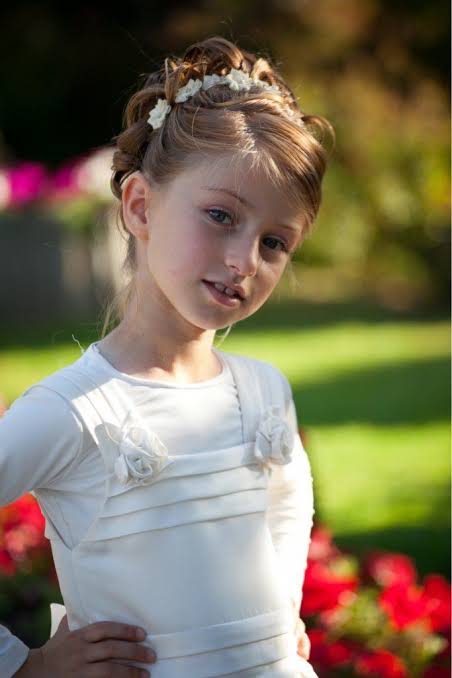
Myriam Monsonego was only 7-years-old when she an gunman shot her at her Jewish school | Photo: Family Handout
Takeaways
Myriam Monsonego was seven years old when a gunman shot her at her Jewish school.
Mohamed Merah murdered a rabbi, two of his sons and a little girl at Ozar Hatorah on March 19, 2012.
The killer announced his motive, and we should believe such men when they speak.
Euphemisms like “just crime” hand the next attacker his cover.
Remembering the victims is a duty we owe to the living.
Every March 19 deserves to stop us cold. On March 19, 2012, a seven-year-old girl named Myriam Monsonego was hunted down in a school courtyard in Toulouse, France and the heartbreaking details of her death should shake anyone who hears them. Her story belongs in every home that holds children sacred.
What Happened at Ozar Hatorah
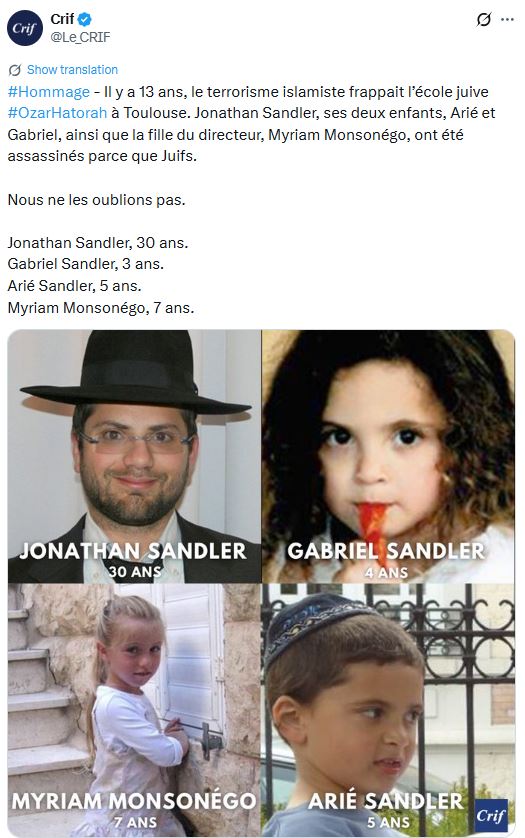
On a Monday morning, a gunman on a scooter, his face hidden behind a helmet, stopped at the gate of the Ozar Hatorah Jewish day school and opened fire on parents, students and staff. Rabbi Jonathan Sandler and two of his young sons were murdered at the entrance, a father and his children cut down together on the way to class.
Myriam, the daughter of the school’s headmistress, fled into the courtyard. In her panic she tripped on her schoolbag, and her ballet slippers spilled out onto the ground. She stopped to pick them up, because she was seven and they were hers. Merah caught her, seized her by the hair and, after his first pistol jammed, fired a second weapon into her temple at point-blank range. A 17-year-old student was wounded as well.
The Man Behind the Helmet
Mohamed Merah, 23, was a French citizen who had traveled to Afghanistan and Pakistan and returned to Europe with extremist convictions. In the days before the school attack he had killed three French soldiers in Toulouse and Montauban.
He later told negotiators he was avenging Palestinian children and punishing France for its military interventions abroad. The children he actually murdered had never harmed anyone, and prosecutors reported that his only regret was not killing more. Police shot him dead on March 22 after a siege at his apartment.
Why Euphemism Is Dangerous
French authorities treated the attacks as jihadist terrorism, and the evidence supports that classification. Even so, commentators in the years since have often reached for gentler language, describing such violence as isolated crime or the act of a troubled loner.
A society that refuses to name an ideology leaves that ideology free to recruit. Toulouse came early in a long run of attacks across Western Europe, and each time the pattern of explanation and excuse began again.
Lessons We Must Not Forget
Memory carries weight only when it changes how we act. Toulouse leaves us with four lessons:
Name the motive. Killers announce their reasons, and we need to believe them.
Guard Jewish children as we guard our own. Schools and synagogues across Europe still need armed protection.
Reject every excuse. No grievance on earth justifies shooting a child.
Retire the language of denial. Calling ideological murder “just crime” invites the next one.
Never Again Is a Daily Choice
Jewish tradition teaches that whoever saves a single life saves an entire world, which means whoever takes one life destroys a world as well. The Hebrew Scriptures command us to choose life, and that command reaches beyond the pages into how we treat our neighbors.
Speak up when Jewish students are threatened. Support communities forced to hire security just to pray, and teach your children what happened at that school gate. Myriam never made it to class, but her name can reach every classroom, every pulpit and every dinner table.
Discussion0
No comments yet — be the first to share your thoughts.