Strava Military Data Exposes U.S. Bases Amid Iran War
A Sky News investigation found that Strava users shared workout data from U.S. military bases in the Middle East, raising security concerns during the Iran war

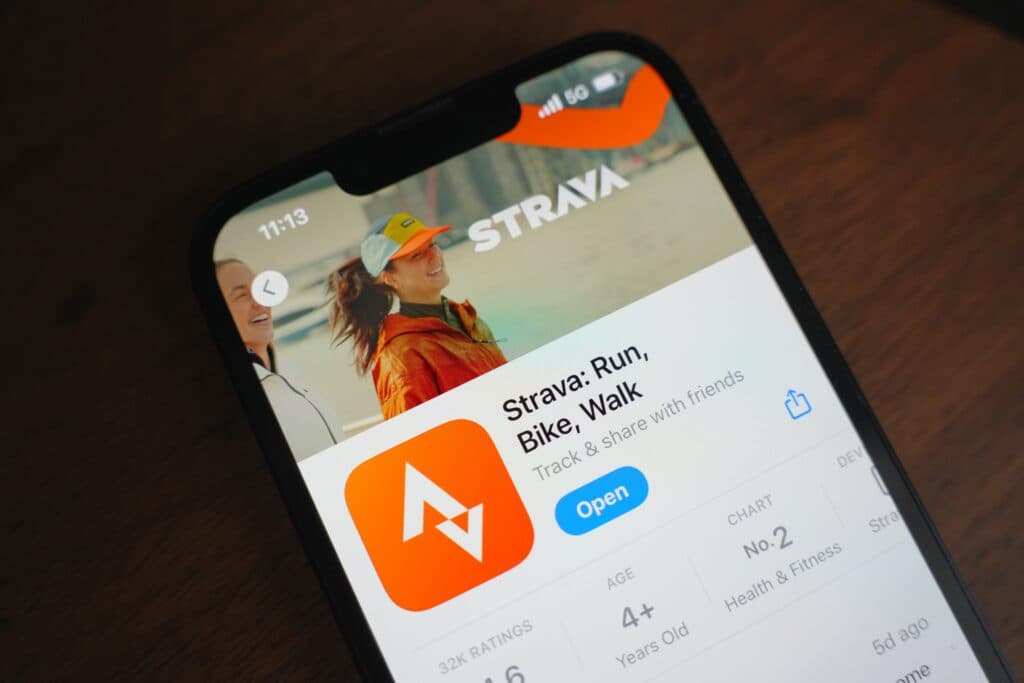
Strava military data may have exposed sensitive information from U.S. bases across the Middle East during the Iran war, according to a Sky News investigation.
Sky News reported that more than 1,300 Strava users shared workouts from U.S. military bases in the region. The data reportedly revealed routes, timing, daily routines, deployment patterns, and movement between facilities. Some of those facilities were not labeled on public maps.
The investigation also found that many users posted under their real names. That could make it easier to identify service members or contractors by rank, role, location, and operational pattern.
Proverbs teaches, “He that keepeth his mouth keepeth his life.” In a digital battlefield, the warning reaches beyond speech. A public running route, a real name, and a repeated pattern can become intelligence in enemy hands.
Strava Military Data Risk

The risk is not new. In 2018, the Pentagon warned that fitness tracking data could reveal sensitive military locations. The Department of Defense then restricted deployed personnel from using geolocation features on devices, apps, and services in operational areas without proper authorization.
Yet Sky News reported that troops and contractors still used Strava during the current war. The investigation said data showed activity inside U.S. bases on the front line of the conflict with Iran. It also showed broader movement patterns before and during military escalation.
Security experts cited by Sky News said Iran could use that information with other open-source tools. The data may help build what intelligence analysts call a “pattern of life,” showing where personnel train, sleep, move, and gather.
Iran War And Open-Source Intelligence
Sky News reported several sensitive examples. One U.S. Navy contractor allegedly recorded runs around a naval base in Manama, Bahrain. After activity stopped, the account reportedly reappeared around a hotel courtyard. Sky said Iran later struck that hotel during attacks on the naval base.
The report also cited activity connected to Jordan’s Muwaffaq Al Salti Air Base. According to Sky News, Strava activity later clustered around barracks that Iran eventually targeted. The outlet also said it found three users tracking jogs inside Israel’s Dimona nuclear research center.
These details do not prove Strava alone directed Iranian targeting. However, they show how careless digital habits can feed a larger intelligence picture. Iran does not need one perfect source when public apps, commercial tools, social media, and phone data can be combined.
That concern sits alongside “Trump’s Iran Window Expires As Sanctions Loom.” That article reported that the 60-day window from Trump’s Iran memorandum is set to expire as Washington prepares new sanctions and keeps blockade pressure on Tehran. As pressure rises, Iran has every reason to search for weak points around U.S. forces, Israeli sites, and allied facilities.
Covenant In The Age Of Metadata
The United States and Israel share a covenantal understanding that protecting life requires discipline, vigilance, and moral seriousness before God. In this story, that duty is not only about missiles, sanctions, or naval power. It is also about the small digital traces that can place soldiers and civilians at risk.
America has a responsibility to protect the men and women it sends into dangerous regions. Israel understands this reality deeply because its enemies study every routine, road, base, and public hint they can find.
The lesson is direct. In the Iran war, operational security is not limited to classified briefings. It now includes phones, watches, apps, usernames, jogging routes, and the habits people forget they are broadcasting.
Iran’s intelligence advantage may begin with a soldier’s workout. That should alarm Washington, Jerusalem, and every allied force operating near Tehran’s reach.
For more stories on Israel, faith, and the values behind the headlines, follow Sinai on Facebook and Instagram.
Discussion0
No comments yet — be the first to share your thoughts.