Strategic Petroleum Reserve Falls As Iran War Hits Gas Prices
The U.S. Strategic Petroleum Reserve is projected to fall sharply as the Iran war drives energy pressure and gasoline prices average $4.07

The Strategic Petroleum Reserve is moving toward its lowest level in four decades as the United States faces the energy cost of the Iran war.
The SPR is projected to fall to around 243 million barrels after the latest 172-million-barrel release, down from roughly 582 million barrels in early 2022, according to U.S. Department of Energy figures and related reporting. The release was meant to help stabilize global supply as the Iran war disrupted energy flows and raised pressure on American consumers.
The Tanakh warns, “A prudent man foreseeth the evil, and hideth himself.” In energy security, prudence means more than reacting to prices after a crisis begins. It means preparing reserves, protecting shipping lanes, and recognizing that hostile regimes can turn oil routes into weapons.
Strategic Petroleum Reserve Under Pressure
The Strategic Petroleum Reserve was created as America’s emergency oil shield. It gives Washington a tool during war, supply shocks, and severe market disruptions. However, that tool becomes weaker when the reserve falls too far.
The latest drawdown has raised concern because the SPR is not only a number on a spreadsheet. It depends on underground salt caverns, pumping systems, and physical infrastructure that must remain usable during emergencies.
According to the report, reducing the stockpile below 170 million barrels could undermine the integrity of the underground salt caverns and pumping infrastructure. That makes the current drawdown especially sensitive. America is using its shield during a real crisis, but every release also reduces the cushion available for the next one.
Gas Prices Hit Americans
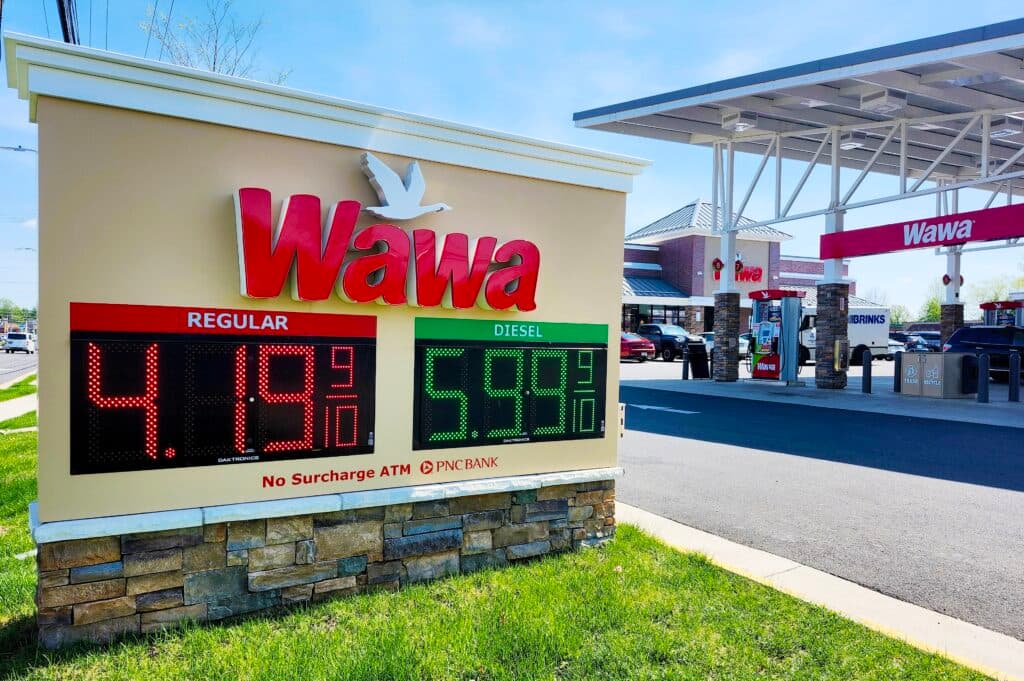
Meanwhile, the national average for regular gasoline has reached $4.07 per gallon in the United States, a record high for mid-August. Trump has urged Americans to pay “a little bit more” and stop complaining, while insisting that he “did the right thing.”
His argument is clear: stopping Iran from advancing its war machine and nuclear ambitions carries a cost. Still, the economic pressure is real. Higher gasoline prices hit working families, supply chains, food prices, and political patience at home.
That is why the energy story cannot be separated from the security story. Iran does not need to defeat America or Israel outright to cause damage. It can threaten shipping lanes, raise oil prices, force reserve drawdowns, and pressure voters through the price of daily life.
The same energy pressure appeared in “Oil Rises As Bab Al-Mandab Attacks Raise Supply Fears.” That article reported that oil prices rose after attacks near the Bab al-Mandab Strait raised fears of disruptions to West Asian energy supplies. Together, Hormuz, Bab al-Mandab, and the SPR show one battlefield: energy routes under pressure from Iran and its network.
Covenant Of Energy And Security
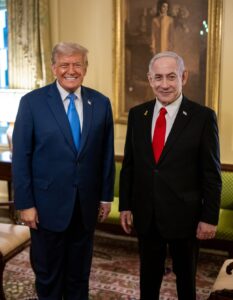
The United States and Israel carry distinct covenantal missions before God, but both meet in the same moral task here: defending life through strength, foresight, and responsibility. America must protect its people from economic coercion and keep global energy routes open. Israel must confront the same Iranian system that arms terror groups, threatens civilians, and destabilizes the region.
That shared American-Israeli worldview sees energy security as more than economics. Fuel prices, oil reserves, and maritime routes all affect national endurance. If Iran can make Americans suffer at the pump while threatening Israel through proxies, Tehran gains leverage without winning a conventional war.
Trump says he did the right thing. The next test is whether Washington can keep doing the hard thing: pressure Iran, protect consumers, rebuild the reserve, and deny Tehran the ability to weaponize energy.
America’s oil shield is not endless. That is why strength against Iran must be matched with discipline at home and clear coordination with allies abroad.
For more stories on Israel, faith, and the values behind the headlines, follow Sinai on Facebook and Instagram.
Discussion0
No comments yet — be the first to share your thoughts.