Greta Thunberg France Protest: Activist Joins Saint-Denis Students
Sinai Desk
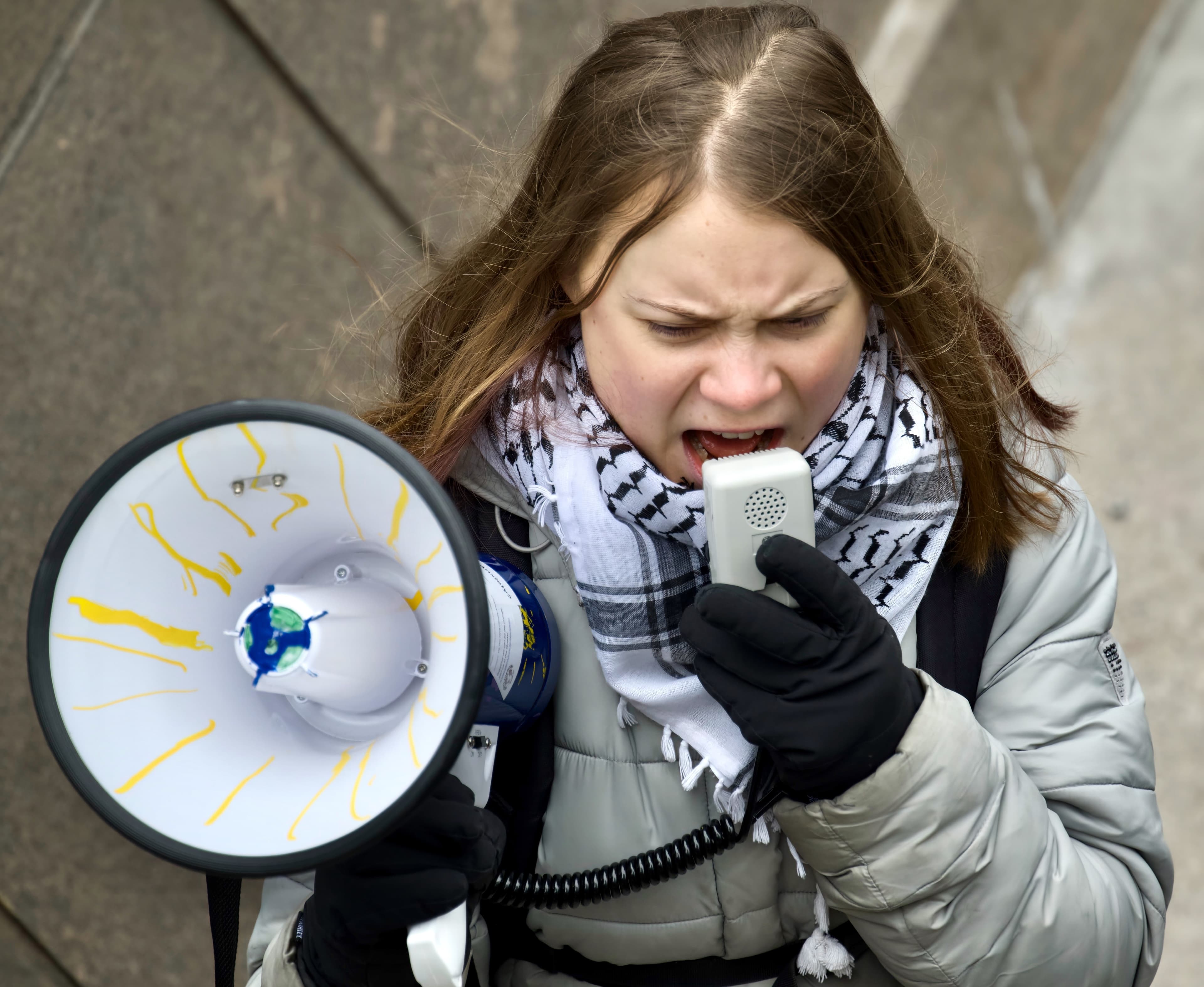
The Greta Thunberg France protest appearance brought one of the world’s best-known activists into France’s growing high school movement on Tuesday. Thunberg joined students outside Lycée Paul-Éluard in Saint-Denis, a Paris suburb that has become a focal point of the demonstrations. Images from the event showed the Swedish activist wearing a Palestinian keffiyeh while standing with the students.
The demonstrations themselves concern French schools rather than the Israeli-Palestinian conflict. Students are demanding more teachers, better-maintained buildings and relief from overcrowded schedules. The movement has entered its fourth week, with around 200 schools closed Tuesday. Some closures were precautionary because schools sat along planned protest routes.
Thunberg told reporters that young people deserved broader support and said their future was being taken from them. She also criticized what she called an “extremely violent” police response. French authorities have faced allegations of excessive force, while officials have also documented injuries, vandalism and clashes during the demonstrations.
Zechariah 8:16 commands, “Speak ye every man the truth to his neighbor.” That principle matters when several political causes begin occupying the same protest space. The school grievances deserve to be understood on their own terms, while the symbols activists bring with them carry separate political meaning.
Greta Thunberg France Protest Adds a Global Activist
Thunberg rose to international prominence through climate activism, but her public work has expanded considerably. Reuters noted Tuesday that she has broadened her activism beyond environmental issues. At Saint-Denis, she linked education funding with wider questions involving climate and social justice.
Her keffiyeh also reflected another major part of her activism. Thunberg has become a prominent supporter of the Palestinian cause and has repeatedly challenged Israeli policy. In 2025, she joined efforts to sail aid vessels toward Gaza and break Israel’s naval blockade. Israeli forces intercepted one such voyage and deported her.
Later that year, Thunberg argued that countries recognizing a Palestinian state should move beyond symbolic gestures and increase pressure on Israel. She also joined pro-Palestinian demonstrations in Europe. Israel has strongly rejected accusations made against its Gaza campaign and has argued that its maritime blockade serves a security purpose by restricting weapons transfers to Hamas.
The keffiyeh therefore carried recognizable political symbolism even though Tuesday’s protest centered on French education. Its appearance illustrated how modern activist movements increasingly overlap. Climate activism, education funding, policing and pro-Palestinian advocacy can now appear within the same political space.
Student Unrest Enters France’s Election Debate
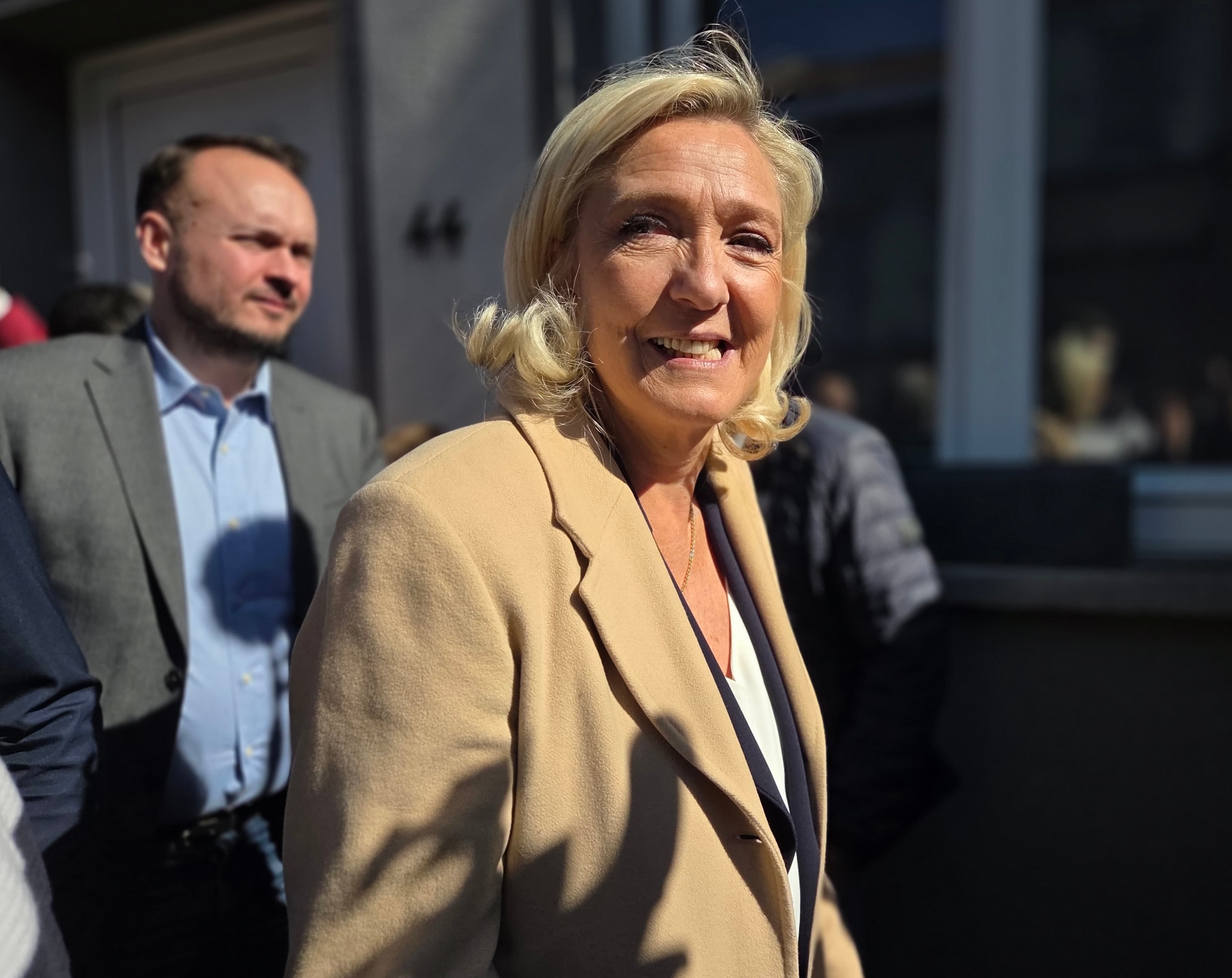
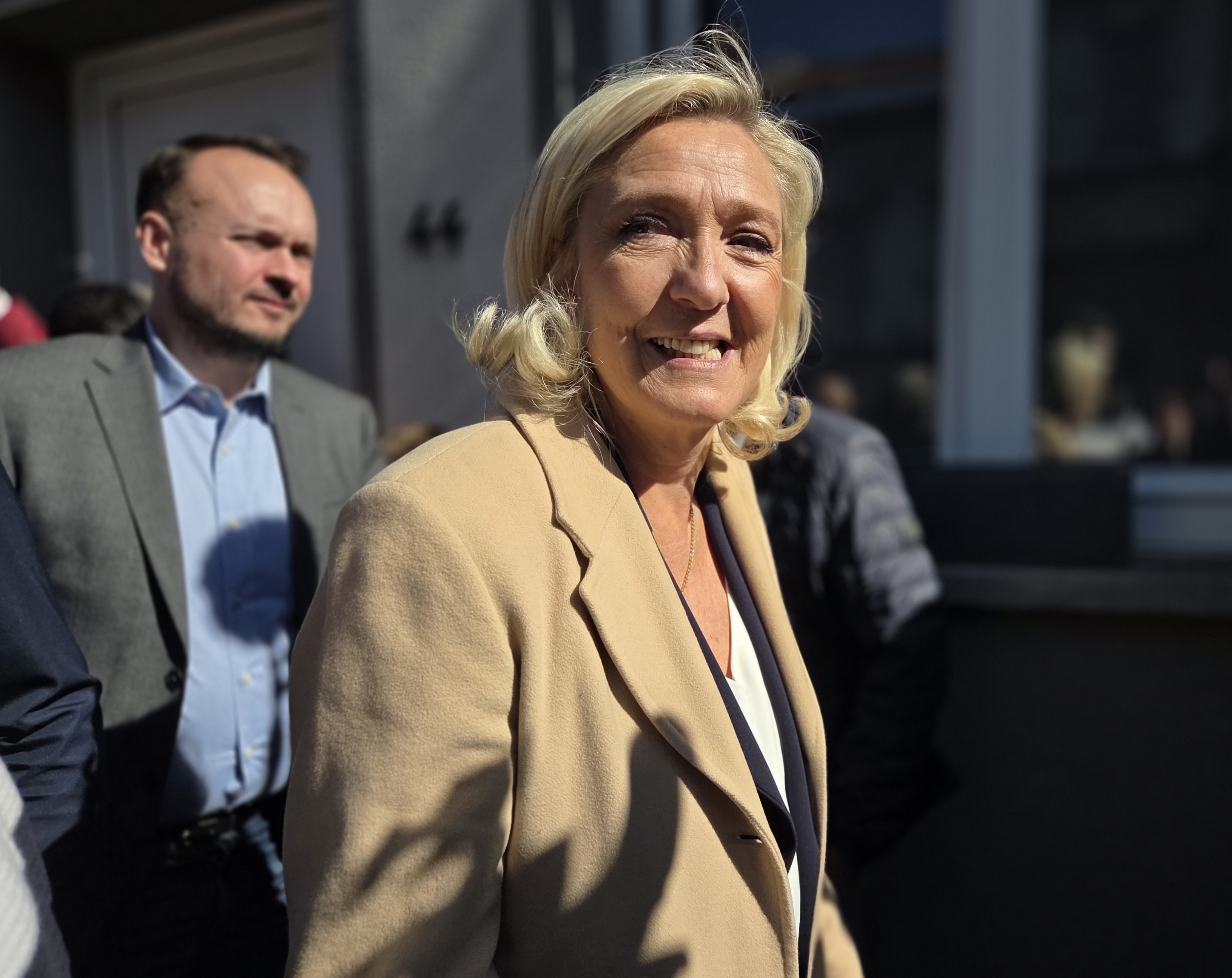
The protests are also unfolding only months before France chooses its next president. Reuters reported that the unrest has sharpened political divisions. Politicians on the left have focused heavily on policing and student demands, while Marine Le Pen and other figures on the right have emphasized vandalism, disorder and damage to schools.
The government has already offered concessions. It promised to deploy 3,000 qualified educators to some of the worst-affected schools. Students nevertheless continued protesting, while France remains constrained by high debt and pressure to control government spending.
That political backdrop follows the trend examined in “France 2027 Election: Le Pen Leads as Right Gains Ground.” Recent polling has shown a weakened political center as French voters consider sharply different alternatives on the left and right. The student protests now give those competing political movements another national issue around which to mobilize.
Thunberg’s appearance adds international visibility to that already volatile environment. Her presence can amplify the students’ complaints about schools. At the same time, her association with pro-Palestinian activism introduces symbolism connected to one of Europe’s most divisive foreign-policy debates.
That matters particularly for Israel. European demonstrations since October 7 have frequently merged domestic political causes with opposition to Israeli policy. Criticism of Israel is not automatically antisemitic, and support for Palestinian civilians does not equal support for Hamas. Still, Israeli and Jewish communities have repeatedly raised concerns when anti-Israel activism crosses into hostility toward Jews or excuses terrorism.
The United States has faced similar tensions. Pro-Palestinian campus activism became a major national dispute over free speech, antisemitism and university governance. Reuters documented federal investigations and political pressure on American universities following allegations that Jewish students faced discrimination during the protest wave.
Truth and Responsibility Across Democratic Societies
Israel’s covenantal mission before God includes protecting Jewish life while defending the truth about the threats the country faces. That responsibility does not require dismissing every protest against Israeli policy. It does require distinguishing humanitarian concern from rhetoric that erases terrorism, Jewish history or Israel’s right to exist and defend its citizens.
America’s covenantal tradition carries a different responsibility. Its commitment to liberty gives citizens broad space to protest, criticize governments and build political movements. Yet a free society also depends on moral discernment, especially when international conflicts enter schools, universities and youth movements.
The scene in Saint-Denis captures a broader change in Western activism. A protest over missing teachers and deteriorating classrooms can quickly become part of a network of causes spanning climate politics, policing and the Middle East.
Thunberg arrived to support French students. The keffiyeh she wore also reminded observers that her public identity now extends well beyond climate activism. In a politically divided France approaching a presidential election, both parts of that story carry weight.
For more stories on Israel, faith, and the values behind the headlines, follow Sinai on Facebook and Instagram.
Discussion0
No comments yet — be the first to share your thoughts.