Oil Rises As Bab Al-Mandab Attacks Raise Supply Fears
Oil prices rose for another session after ship attacks near the Bab al-Mandab Strait raised fears of disruptions to West Asian energy supplies

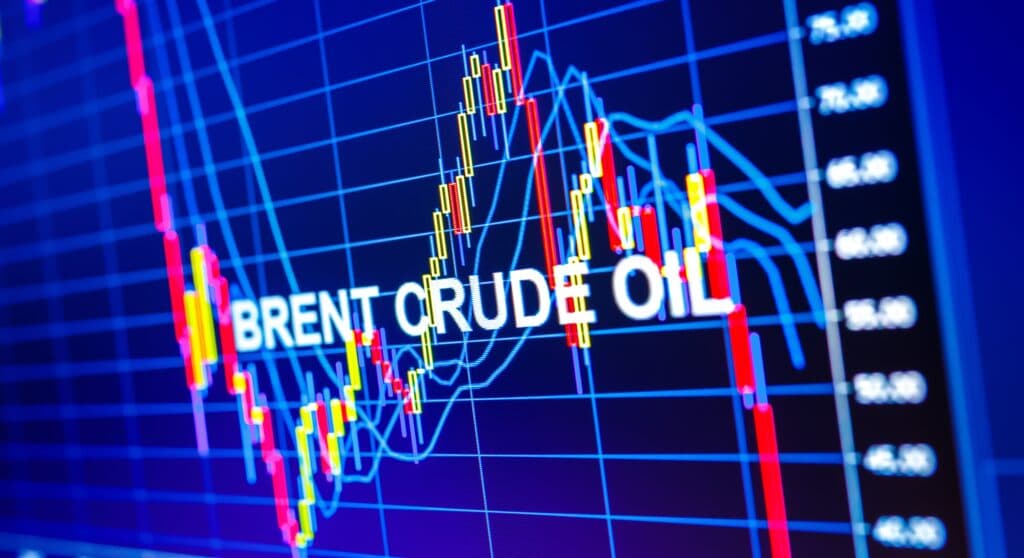
Oil prices Bab al-Mandab fears grew Wednesday as attacks on two ships raised concern over possible disruptions to West Asian energy supplies.
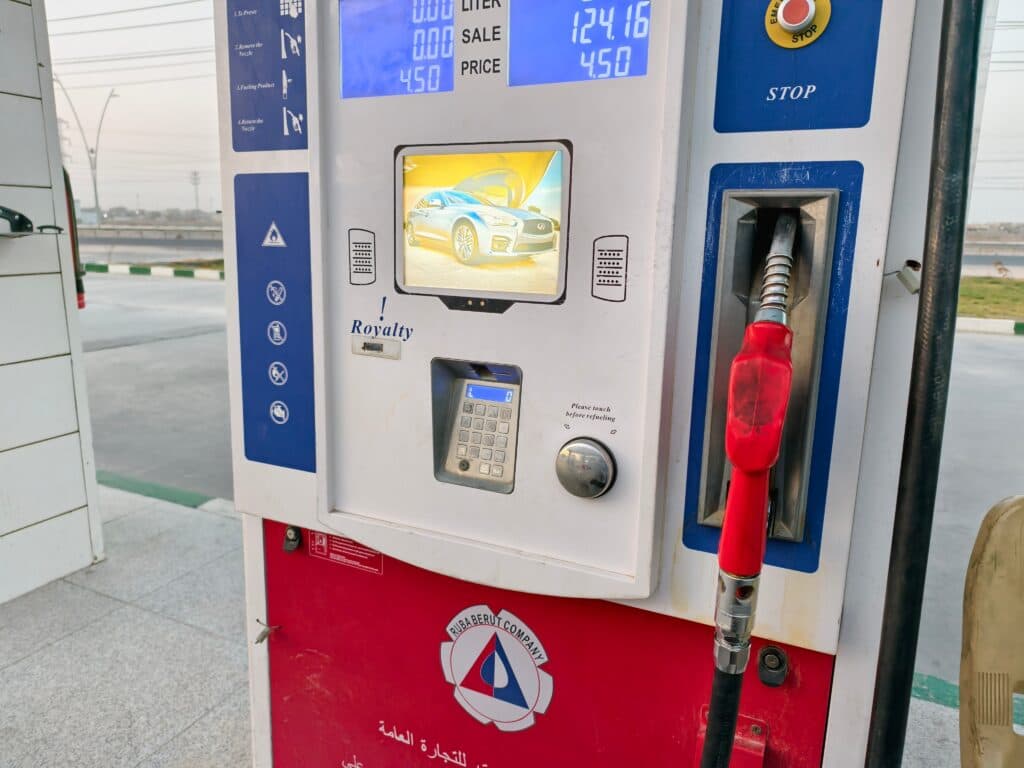
Brent crude futures rose 90 cents, or 1%, to $89.81 a barrel by 07:57 GMT. That put the benchmark on track for a sixth consecutive session of gains. U.S. West Texas Intermediate crude rose 88 cents, or 1.1%, to $84.08, extending its winning streak to five days.
Both benchmarks had climbed by more than $1 earlier in the session. However, data showing rising U.S. crude inventories could limit further gains, even as maritime insecurity keeps pressure on the market.
The Tanakh says, “They that go down to the sea in ships, that do business in great waters; these see the works of the Lord.” The verse fits the moment because the sea is not only a commercial route. It is also a place where human order, danger, and dependence become impossible to ignore.
Oil Prices Bab Al-Mandab Pressure
The latest market move shows how quickly violence at sea can reach consumers, governments, and global industry. Oil prices respond not only to production numbers, but also to risk. When ships come under attack near a strategic chokepoint, traders begin pricing in the possibility of disruption.
The Bab al-Mandab Strait is one of the world’s most sensitive maritime routes. It connects the Red Sea to the Gulf of Aden and links energy traffic, commercial shipping, and naval operations across a wider corridor stretching toward the Mediterranean and the Indian Ocean.
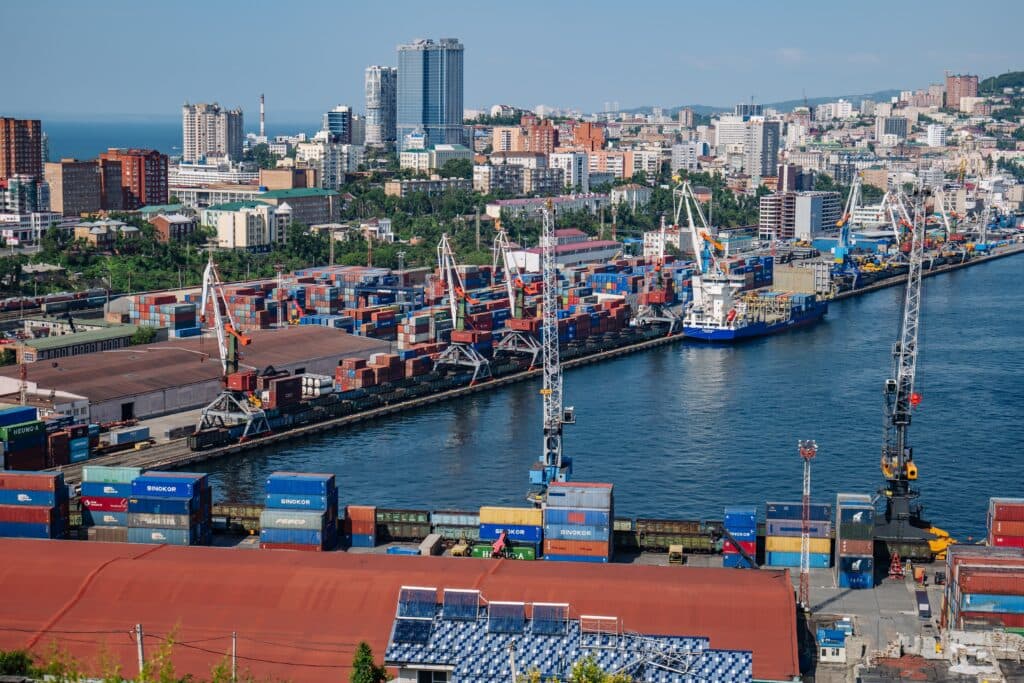
That is why attacks near the strait matter far beyond Yemen. A single strike can raise insurance costs, alter shipping routes, delay cargo, and increase pressure on energy markets. Repeated attacks can turn a regional conflict into a global economic problem.
The current price rise came despite pressure from U.S. inventory data. That detail matters because it shows the market is weighing immediate supply numbers against the strategic danger of maritime attacks.
Deadly Attack Behind The Market Move
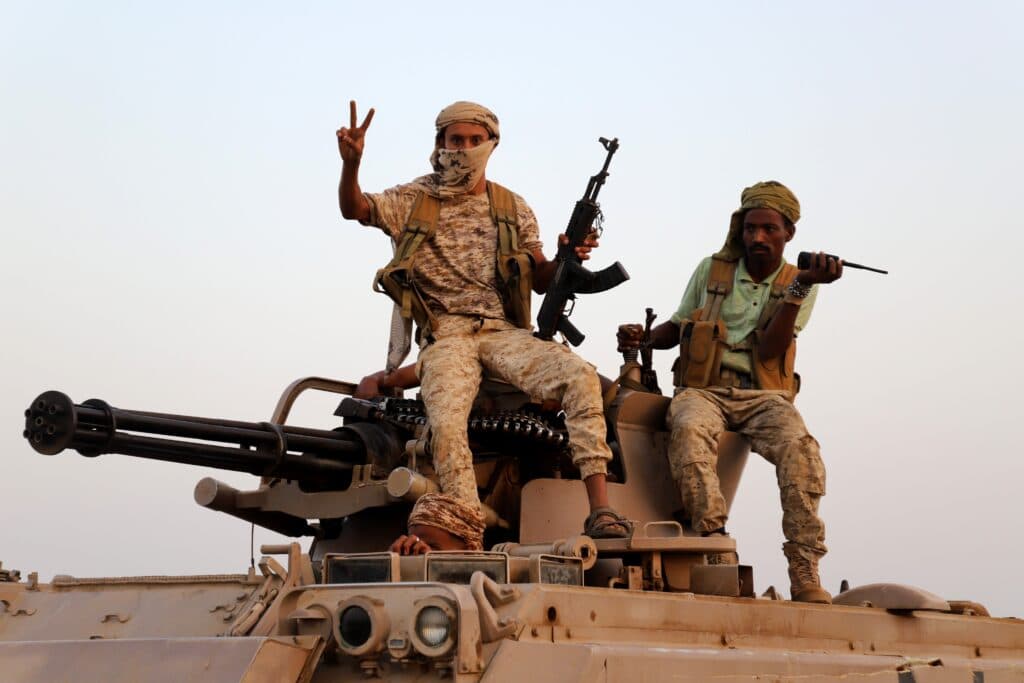
The oil rally follows “Four Crew Members Killed In Bab Al-Mandab Attack.” Four crew members and two rescuers were killed after Ansarallah attacked a cargo vessel in the Bab al-Mandab Strait, according to Yemeni officials.
That attack turned a shipping-security story into a human tragedy. The reported dead included Pakistani and Indonesian crew members, along with rescuers who arrived after the initial strike. Market numbers can hide that cost, but the violence driving the price movement began with lives lost at sea.
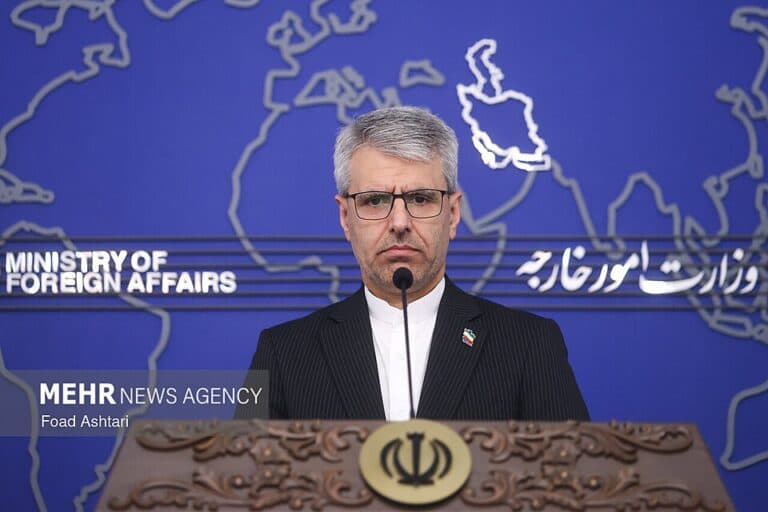
For Israel, the threat is part of the wider Iranian-backed pressure system surrounding the region. Ansarallah’s attacks can target shipping, raise global costs, pressure Israel indirectly, and test the willingness of the United States and its partners to keep strategic waterways open.
For America, the issue is deterrence and economic stability. If hostile forces can strike vessels and move oil markets, then maritime terror becomes a tool of financial warfare. Washington cannot treat the Red Sea and Bab al-Mandab as distant problems when their effects reach energy prices and global trade.
Covenant Of Open Seas And Honest Cost
The United States and Israel carry separate covenantal responsibilities before God in moments when security, commerce, and human life meet. America’s covenantal tradition speaks through ordered liberty, free navigation, and the defense of lawful trade against violent coercion. Israel’s covenant is ancient and unique, rooted in the God of Israel, Torah, Jewish peoplehood, sovereignty, and the return to the land.
This story places those responsibilities on the water. The price of oil rose because ships were attacked, sailors were killed, and a strategic route became more dangerous. The market is not reacting to theory. It is reacting to blood, risk, and the possibility that terror could disrupt the flow of energy.
Israel understands that lesson clearly. Its enemies often try to avoid direct battlefield defeat by creating pressure elsewhere: in shipping lanes, global markets, public opinion, and diplomatic forums. Ansarallah’s maritime campaign fits that pattern.
The United States must defend the principle that open sea lanes cannot be held hostage by armed movements. Israel must continue to see maritime attacks as part of the same regional struggle that includes Gaza, Lebanon, Iran, and the broader campaign against the Jewish state.
Oil prices may rise and fall each day. But the underlying question remains: will free nations protect the routes that keep the world moving, or will hostile forces learn that violence at sea pays?
For more stories on Israel, faith, and the values behind the headlines, follow Sinai on Facebook and Instagram.
Discussion0
No comments yet — be the first to share your thoughts.