Iranian Rial Collapse Deepens Economic Pressure
Iran’s rial fell rapidly to around 2.44 million per dollar after two weeks of relative stability, adding to pressure from war, sanctions and falling oil exports

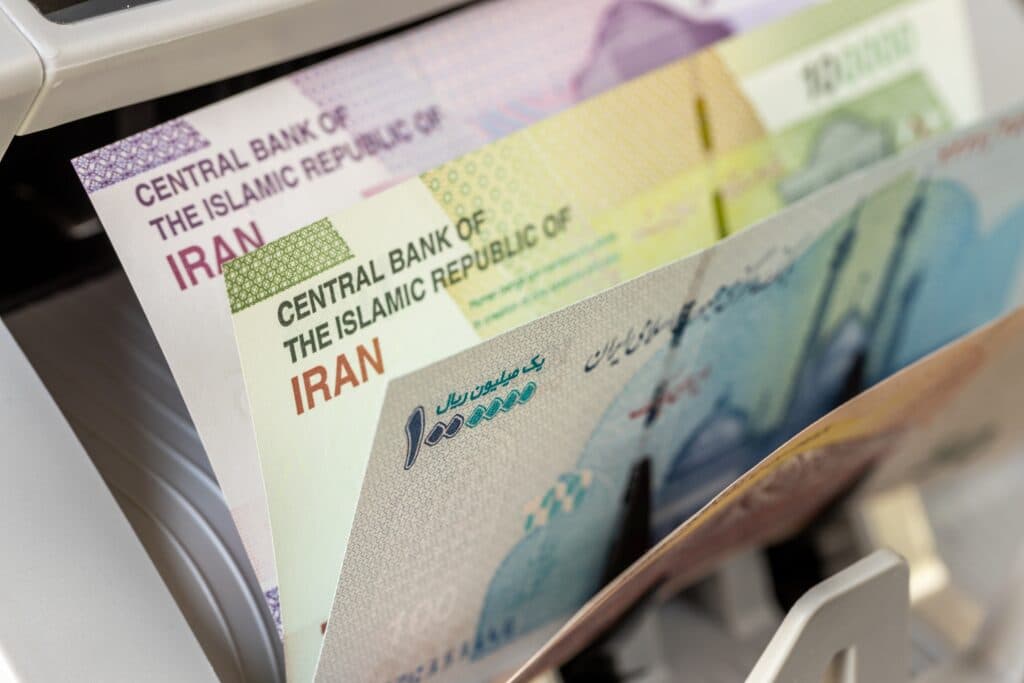
A fresh Iranian rial collapse hit the currency market Monday after roughly two weeks of relative stability. The dollar had traded near 2.3 million rials during that period. By Monday, the open-market rate had surged to around 2.44 million rials per dollar, marking another record low for Iran’s currency.
Iran International reported that the dollar crossed 2.4 million rials during the morning and continued weakening afterward. The move amounts to a roughly 6% increase in the dollar rate from the recent 2.3 million level. It also follows months of severe pressure from war, sanctions, disrupted trade and shrinking access to foreign currency.
Proverbs 22:7 warns that “the borrower is servant to the lender.” The verse speaks to the loss of freedom that can follow economic dependence. In Iran’s case, a weakening currency increasingly limits what ordinary citizens, businesses and the government can buy from abroad.
Iranian Rial Collapse Returns After Brief Stability
The latest fall comes after Tehran briefly appeared to stabilize the exchange rate. Iran International reported that the free-market dollar reached 241,800 tomans on Monday, equal to about 2.418 million rials. Later reporting placed the rate near 2.44 million rials. The currency had already crossed 2 million rials per dollar for the first time in August.
Inflation remains another source of pressure. Iran’s central bank said point-to-point inflation stood at 83.8% in September. That was slightly lower than August, but still extremely high. A weaker rial can intensify those pressures by raising the cost of imported goods, industrial inputs and other products priced in foreign currency.
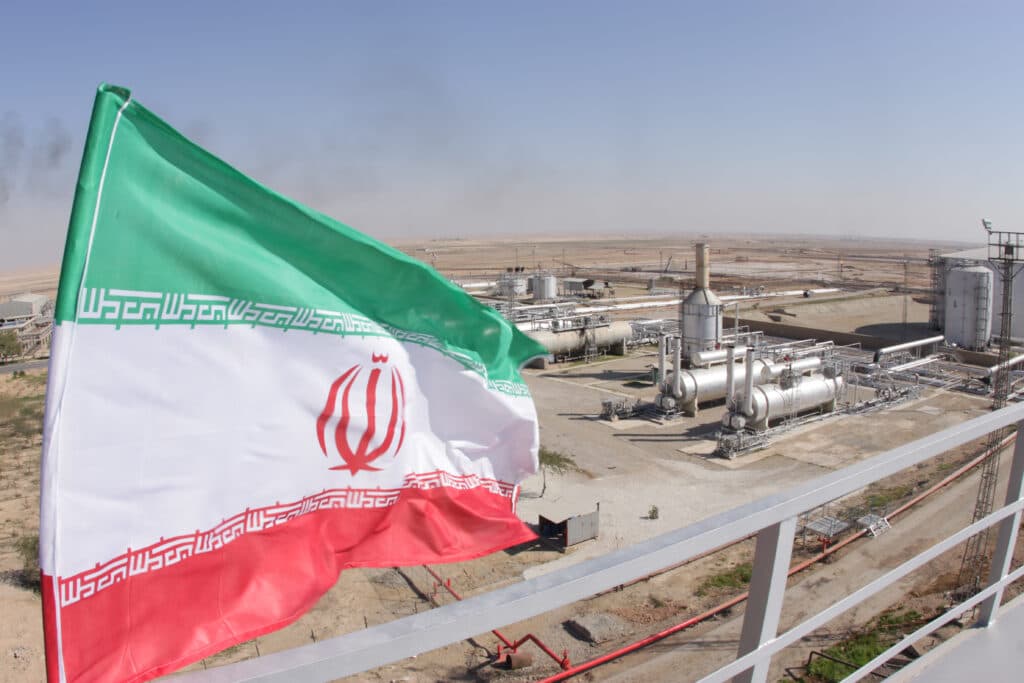
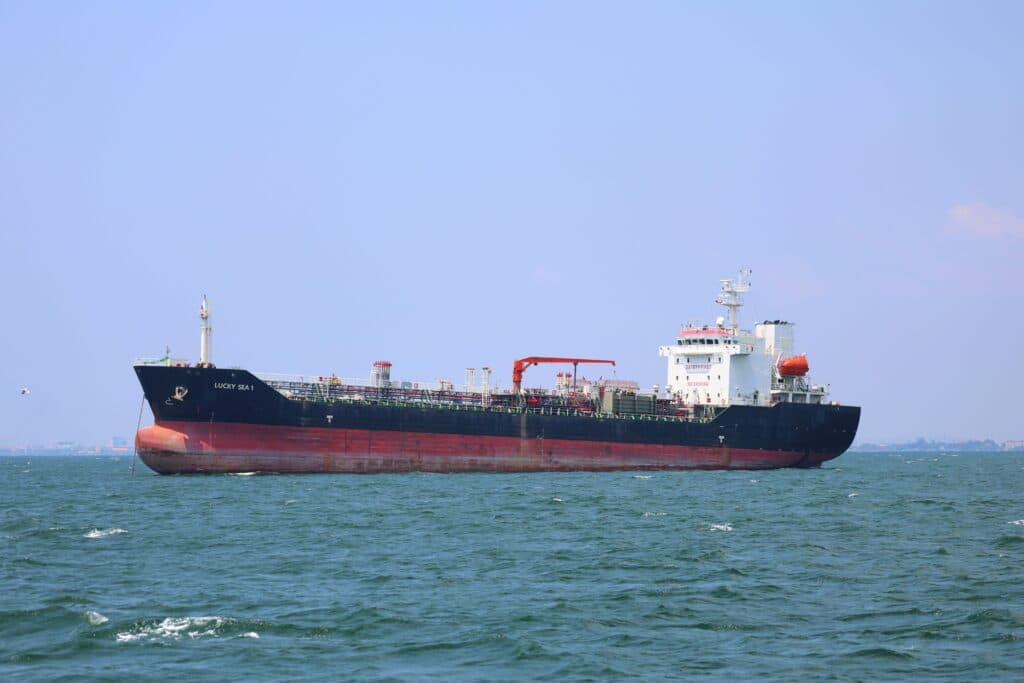
The decline also comes as Iran loses access to traditional sources of foreign currency. Reuters reported earlier this month that the U.S. naval blockade had sharply reduced Iranian crude exports. Shipments fell from about 2 million barrels per day in March to roughly 220,000 to 255,000 barrels per day in August. Oil exports have historically supplied Tehran with a major share of its hard-currency income.
War and Sanctions Reach the Economy
The latest currency move gives another economic dimension to “Iran War Warning: Army Chief Says Fight Is Not Over.” Major General Amir Hatami said Iran still considers the war unfinished and must remain ready for further confrontation. At the same time, the rial’s decline shows the domestic cost of sustaining that posture.

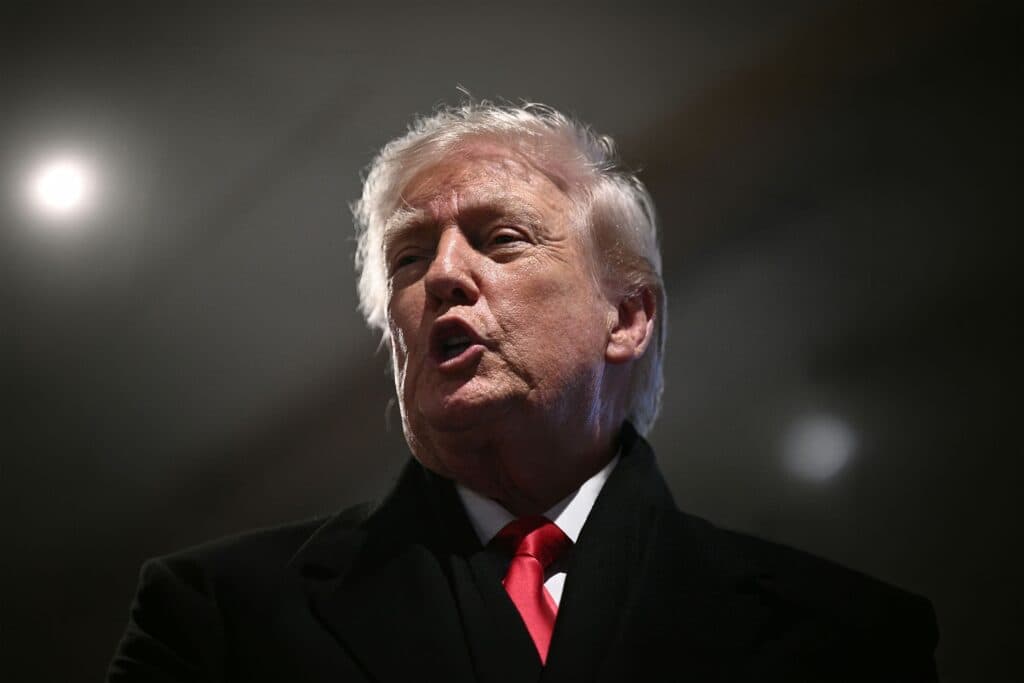
Washington has continued tightening pressure on Iranian oil, aviation and financial networks. President Donald Trump has also called for Iran’s deeper economic isolation while leaving open the possibility of a negotiated settlement. Tehran says sanctions and the American blockade amount to economic coercion and insists that Iran retains sufficient reserves to manage the crisis.
The consequences reach Israel as well. Israeli officials view Iran’s economy as closely tied to Tehran’s ability to finance missiles, military procurement and armed groups across the region. Economic pressure can reduce those resources, although financial distress can also increase instability and harden political confrontation.
For Washington, the currency decline is one measure of whether economic pressure is changing Tehran’s calculations. Yet a collapsing rial also harms ordinary Iranians. Higher import costs, weaker purchasing power and uncertainty in savings can reach households long before they change government policy.
Economic Strength and National Responsibility
Israel’s covenantal tradition places Jewish survival and national defense at the center of sovereign responsibility before God. Economic pressure on a hostile state therefore matters when that state supports forces threatening Israeli civilians. At the same time, Jewish teaching repeatedly distinguishes rulers from the people living under them.
America’s covenantal tradition developed differently. American political thought has often connected national power with law, liberty and responsibility in the use of that power. In the Iran conflict, sanctions offer Washington a way to apply pressure without relying only on military force, but they also carry humanitarian and economic consequences.
The renewed Iranian rial collapse shows that pressure on Tehran is no longer confined to battlefields or diplomatic negotiations. It is reaching the value of everyday money inside Iran itself. Whether the decline continues will depend on oil revenues, access to foreign currency, negotiations with Washington and the direction of the war.
For more stories on Israel, faith, and the values behind the headlines, follow Sinai on Facebook and Instagram.
Discussion0
No comments yet — be the first to share your thoughts.