Secrets of the Jewish Calendar Part 3: Yom Kippur: A Day of Awe, Atonement, and Ultimate Joy
Though Yom Kippur is a solemn day, it is also the happiest day of the Jewish year—when divine atonement brings renewal, hope, and the promise of a better future.

Yom Kippur
The Bible in the third book of Leviticus (chapter 16) describes a ritual holiday in the Temple which includes the expiation of all of Israel’s sins to God through a national animal sacrifice. The foundational verse (30) reads as follows:
“For on this day, He will provide atonement for you, to purify you from all your sins; before God, you will be purified.”
The Oral Law, relayed by God to Moses and from him to the nation, was written down in the 3rd century in Israel by Rabbi Judah the Prince. It is a collection of Rabbinic interpretations of the Torah, passed down from generation to generation and contains laws and philosophy concerning all aspects of Jewish law (halacha). The Mishna is divided into six sections, each one covering the six general themes of Jewish life—laws related to daily blessings and agriculture of the land of Israel, festivals, relationships between men and women, damages, Temple worship, purity and impurity.
In the section on festivals the Mishna presents a seemingly opposite view on Yom Kippur. It says:
“There was no happier day in the Jewish calendar than Yom Kippur…”
What? Isn’t Yom Kippur a day of fasting, praying, pleading with God for life and atonement for sins? Why would the Mishna state it is the happiest day?
From the 3rd to the 6th centuries rabbis in Israel and Babylonia (modern day Iraq) wrote commentaries on the Mishna and expanded the (written) Oral Law, calling it the Talmud. Writing in Aramaic, they explain the notion that it is called a happy day succinctly:
“It is obvious why Yom Kippur is the happiest day of the year for on that day God promised atonement for all our sins!”
In the time of the Temple all the Jews would come to Jerusalem to witness the special Yom Kippur service and the moment when the high priest entered the holy of holies and received atonement for the entire children of Israel. It was truly a time of great joy and relief. For this reason the rabbis understood that Yom Kippur was the happiest day.
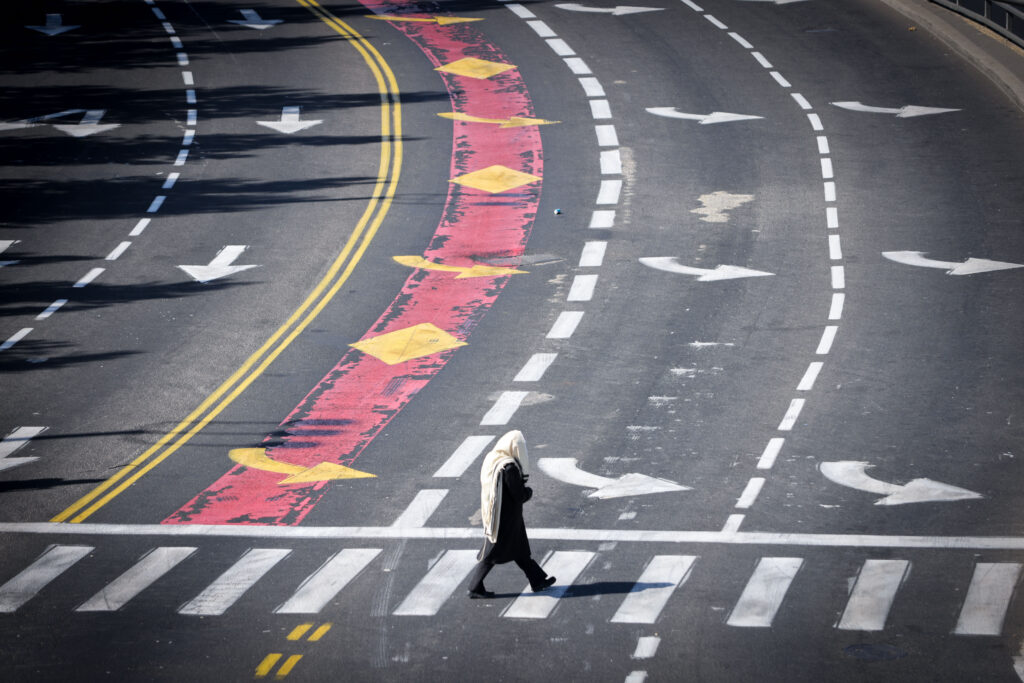
But then in 586 BCE the Temple was destroyed by the Babylonians and Jews no longer had the ability to gain atonement through animal sacrifice. The rabbis needed to find a substitute for that Temple experience and did so by building ‘mini-Temples’ called Synagogues. Once a year Jews celebrate the festival of Yom Kippur not at the Temple with sacrifices but at their own synagogues through prayer and repentance (teshuva).
Jews for thousands of years have been showing up and doing repentance but also praying and crying that God bless us with a better year than the previous one. That God defeat our enemies, bring us health and wealth and joy and that He bring peace to the world. For this reason Yom Kippur is our most frightening day yet happiest day of the Jewish year!
Discussion0
No comments yet — be the first to share your thoughts.