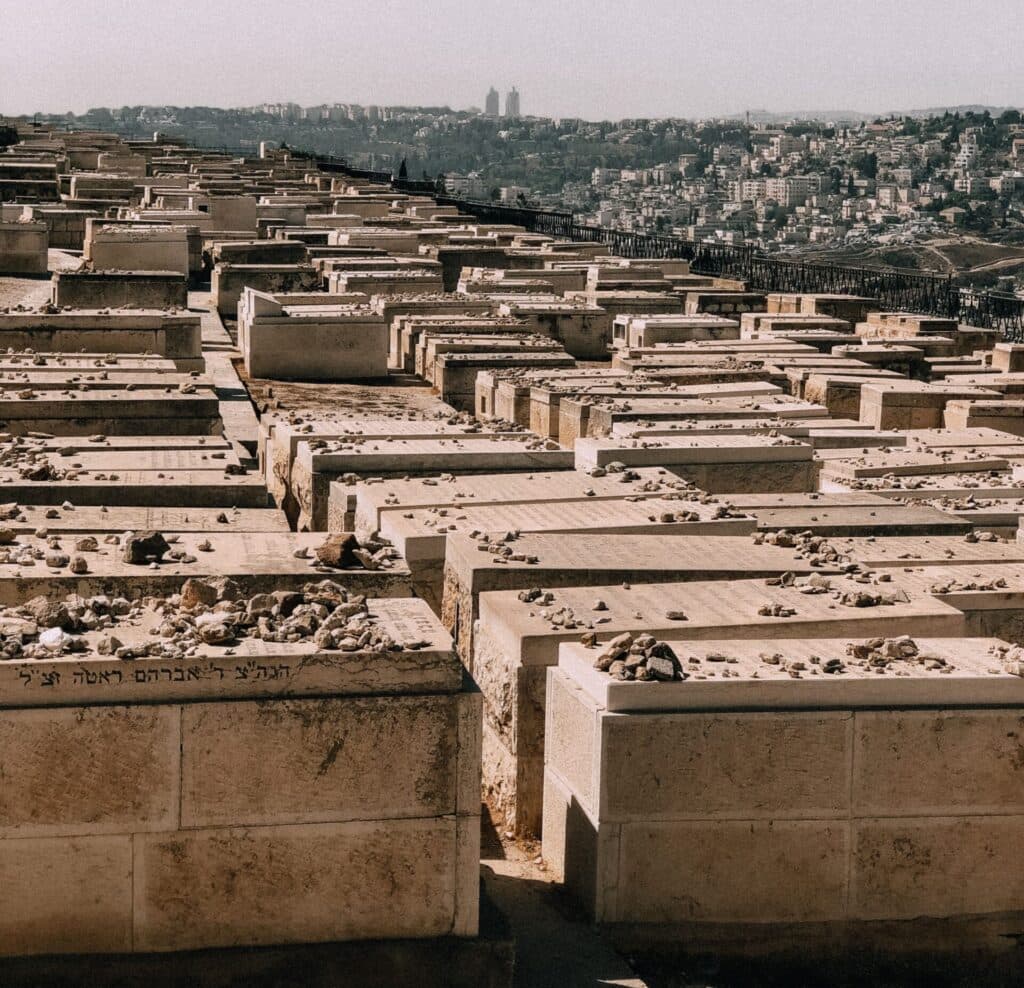

Side view of graves at Mount of Olives, Jerusalem | Photo: Pexels
There’s a hill east of Jerusalem’s Old City that has held the dead for over 3,000 years. It’s not just a cemetery. For millions of people around the world, it carries a sacred significance.
The Mount of Olives contains the oldest and most important Jewish cemetery in continuous use anywhere in the world. More than 150,000 graves are located there, with burials dating back to the period of the First Temple.
What Is the Mount of Olives?
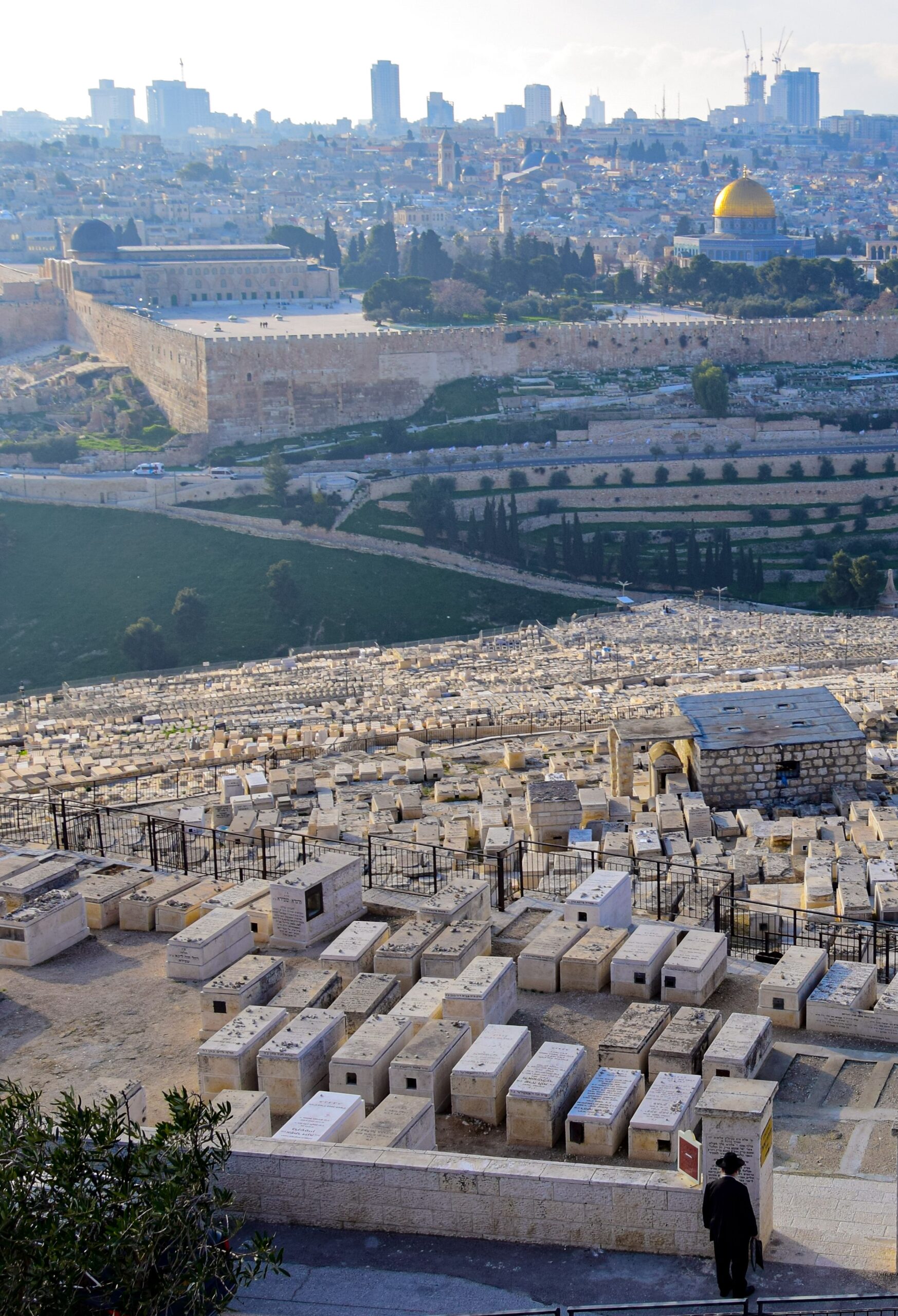
The Mount of Olives sits directly across the Kidron Valley from the Temple Mount (Jerusalem’s Old City). It’s roughly 2,700 feet above sea level, and on a clear day you can see the entire Old City from its ridge. The hill gets its name from the olive groves that once covered its slopes. Kings, prophets, and ordinary families have walked it for millennia.
The prophet Zechariah wrote about it by name. He even said that the Messiah will one day stand on it, triggering a huge earthquake and that the mountain would then split in half. He predicted that through this valley, the Jewish people will escape to safety from the earthquake. This isn’t just background scenery in biblical history. It’s one of the most central locations in all of Scripture.
Why Burial Location Matters in Jewish Tradition
According to Jewish tradition, the human body is sacred, because it housed the soul during life. Burial is therefore considered an act of profound respect, treating the deceased with the same dignity they deserved while alive. This is why Jewish law places such weight on where and how a person is buried. The body returns to the earth, but the location carries meaning that stretches far into the future. For those rooted in Jewish tradition, burial in or near Jerusalem is a statement of faith.
How the Mount of Olives Became Holy Ground
The Mount of Olives became the most desired burial site in Judaism largely because of its proximity to the Temple. In ancient Israel, the Temple in Jerusalem was the place where heaven and earth met. Being buried nearby meant being close to that holiness, even in death.
The Prophet Ezekiel described the Divine Presence departing from the Temple and resting on the Mount of Olives. “Then the glory of the Lord went up from the midst of the city and stood on the mountain which is on the east side of the city.” (Ezekiel 11:23) That detail has never been forgotten. Generations of scholars and families looked at that hill and understood: this is where the story continues.
📖 For a deeper look at the Mount of Olives, watch this Touring Scripture video.
The Hope of Resurrection
This is the heart of it. Jewish tradition holds a firm belief in techiyat hameitim, the resurrection of the dead. When that day comes, according to Jewish teachings, the resurrection begins in the Land of Israel, and specifically, begins from Jerusalem at the Mount of Olives. Being buried on the Mount of Olives means being, literally, at the doorstep of that future.
Who Is Buried There
The Mount of Olives cemetery holds an estimated 150,000 graves, making it one of the oldest continuously used cemeteries in the world.
Prominent rabbis, scholars, and community leaders have been buried there across the centuries. That includes biblical figures like Absalom (Avshalom), Zechariah, Haggai, and Melachi. Also included are prominent political cultural figures like Menachem Begin, Sheldon Edelson, and Eliezer Ben Yehuda.
Mount of Olives also serves as the resting place for Christian Royalty: Princess Alice of Battenberg, the mother of Prince Philip, Grand Duchess Elizabeth Feodorovna (Russian Orthodox), Queen Boedil Thurgotsdatter (12th century Queen of Denmark), and the Virgin Mary.
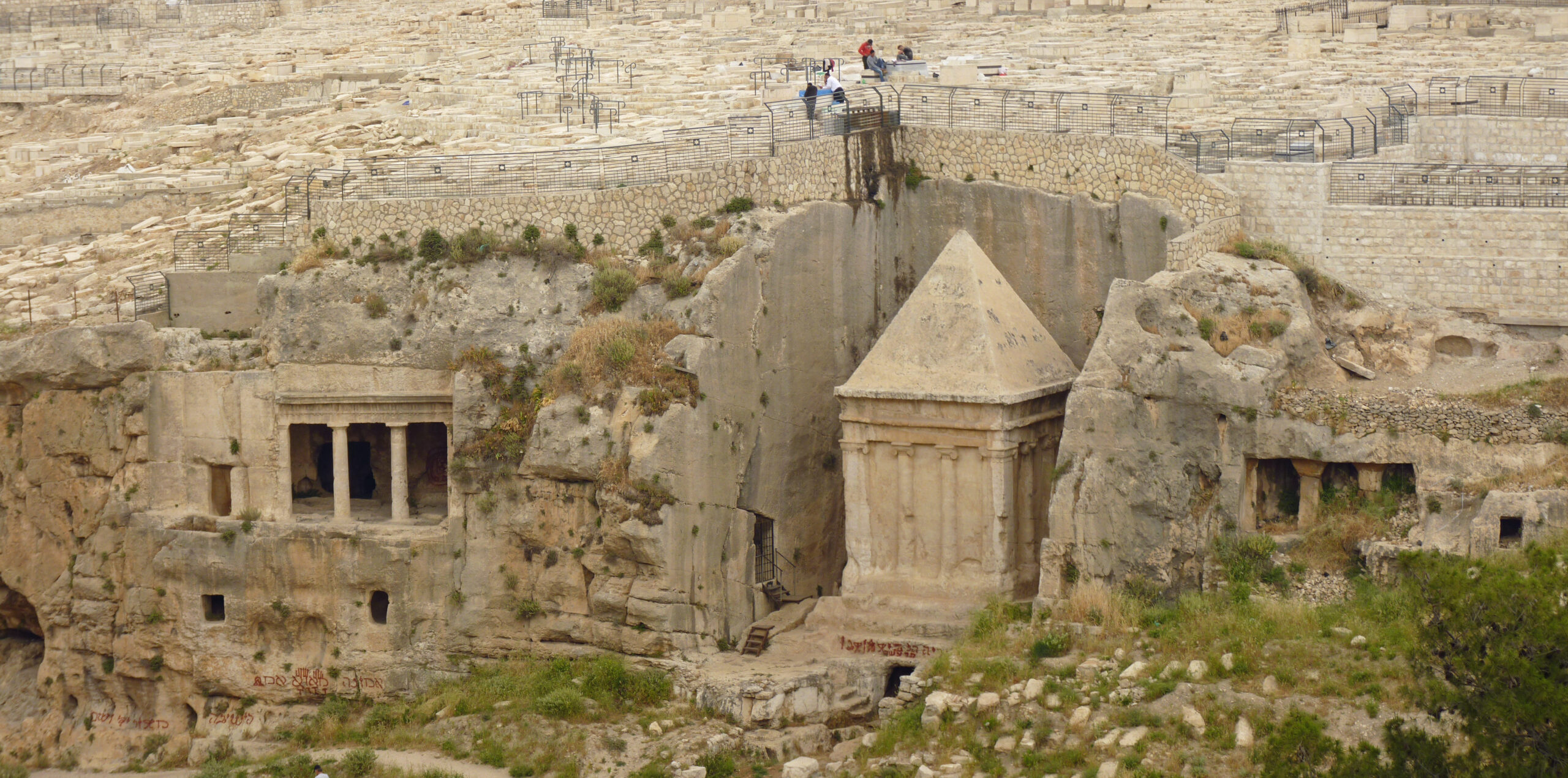
Generations of ordinary Jewish families also chose this hill, because holiness doesn’t belong only to the famous.
Why Jews Still Want to Be Buried There Today
“And His feet shall stand in that day upon the Mount of Olives, which is before Jerusalem on the east.” — Zechariah 14:4
Burial plots on the Mount of Olives are expensive and space is limited. However, families still pursue them. That alone tells you something. For Jews who feel bound to the promises God made to Israel, who read the prophets and take them at their word, this hill represents continuity. It connects them to the land, to the Temple, to the prophetic (messianic) future, and to the God who declared Jerusalem His city.
Three thousand years of faithful burial on that hill is confidence carved into the earth.
Want to keep reading? Learn about Israel’s biggest military cemetery, Mount Herzl . Explore more on faith, values, and the Land of Israel at Sinai Project.
Discussion0
No comments yet — be the first to share your thoughts.