Saudi Textbook Changes Remove Anti-Israel Phrases
IMPACT-se reports that Saudi Arabia removed “Muslims will never give up Jerusalem” from a Grade 11 textbook and softened anti-Israel terminology

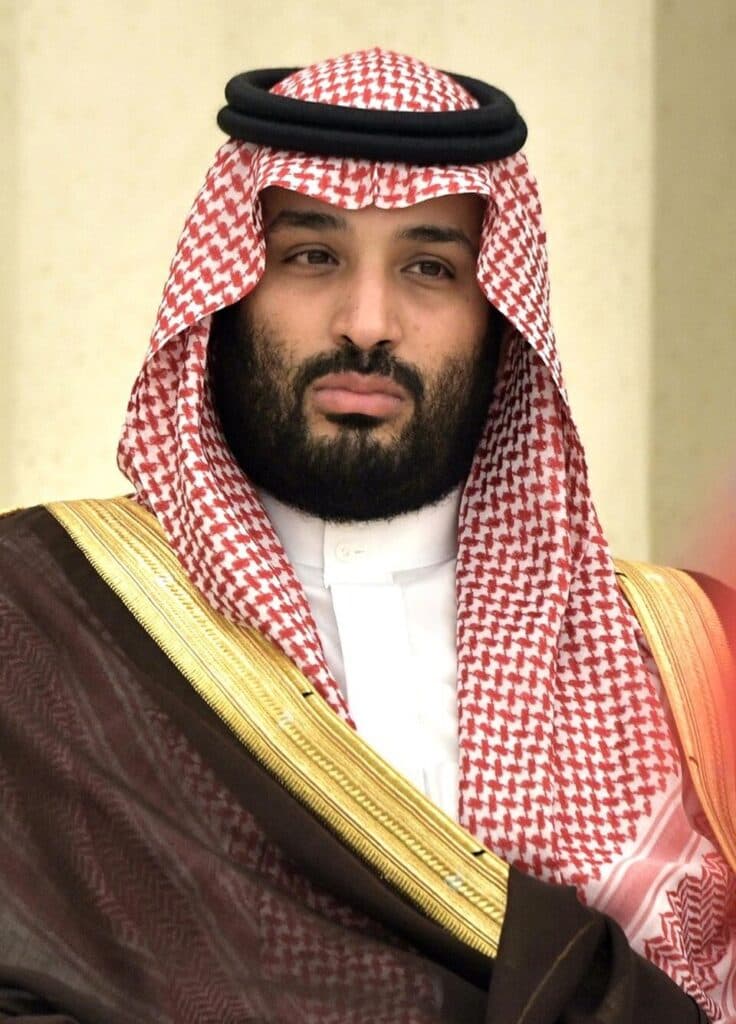
Saudi textbook changes reported by IMPACT-se show another sign of moderation inside the Saudi education system, including the removal of language that framed Jerusalem through permanent religious conflict.
According to the Israeli organization IMPACT-se, Saudi Arabia removed the sentence “Muslims will never give up Jerusalem” from an Arabic textbook for 11th grade. The organization also reported that the expression “the Zionist enemy” was replaced with “the Israeli occupation.”
The Tanakh says, “Depart from evil, and do good; seek peace, and pursue it.” That verse fits the moment because peace does not begin only at summits or signing ceremonies. It also begins in classrooms, where the next generation learns whether Jews and Israel are enemies, or whether the future can move toward coexistence.
Saudi Textbook Changes
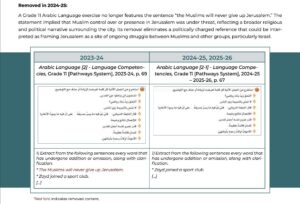
The textbook example comes from a Grade 11 Arabic language exercise. In the earlier version, students saw the sentence, “The Muslims will never give up Jerusalem.” In the updated 2024-25 and 2025-26 material shown by IMPACT-se, that sentence no longer appears.
The change does not mean Saudi textbooks now present Israel in a fully normalized way. The replacement of “the Zionist enemy” with “the Israeli occupation” still reflects a critical political framing. However, the removal of openly hostile wording marks a meaningful shift in tone.
For Israel, that shift matters. Generations of anti-Israel education across the region helped build a culture in which the Jewish state was treated as illegitimate, foreign, and permanent enemy. Changing that language does not solve every political dispute, but it can weaken the vocabulary of hatred that made peace harder for decades.
From Hostility To Strategic Realignment
The Saudi education changes also fit a wider regional movement. Riyadh has not normalized relations with Israel, and major disagreements remain. Still, the decision to remove certain anti-Israel phrases from school materials points to a careful effort to reduce ideological hostility.
That matters for Washington as well. American diplomacy in the Middle East depends not only on military partnerships, but on whether U.S. allies help build a more stable regional culture. Textbooks shape how young people understand Israel, Jews, Jerusalem, and the possibility of peace.
The same broader regional realignment appeared in “U.S. And Saudi Arabia Strike Iran-Backed Militias In Iraq.” That article reported that the United States and Saudi Arabia reportedly struck Iran-backed militia targets across Iraq after attacks on Saudi energy facilities. Together, these stories show Saudi Arabia moving through a complex period: confronting Iran-backed threats while also softening some of the language that has fueled hostility toward Israel.
Classrooms And Covenant
The United States and Israel share a covenantal worldview that treats truth, education, and peace as moral responsibilities before God. Both nations, at their best, understand that peace requires more than security arrangements. It also requires teaching the next generation to reject demonization and recognize the dignity of life.
That shared American-Israeli instinct matters in the Saudi case. If classrooms stop teaching hostility as destiny, diplomacy has more room to breathe. If children learn that old slogans can change, then political imagination can change as well.
Saudi Arabia’s textbook revisions should not be overstated. The language still falls short of full recognition or warm peace with Israel. Yet removing phrases like “Muslims will never give up Jerusalem” and replacing “the Zionist enemy” signals a real movement away from the harshest anti-Israel vocabulary.
That is why this story matters beyond one textbook page. In a region shaped by war, propaganda, and Iranian-backed violence, even cautious educational changes can help prepare the ground for a different future.
For more stories on Israel, faith, and the values behind the headlines, follow Sinai on Facebook and Instagram.
Discussion0
No comments yet — be the first to share your thoughts.