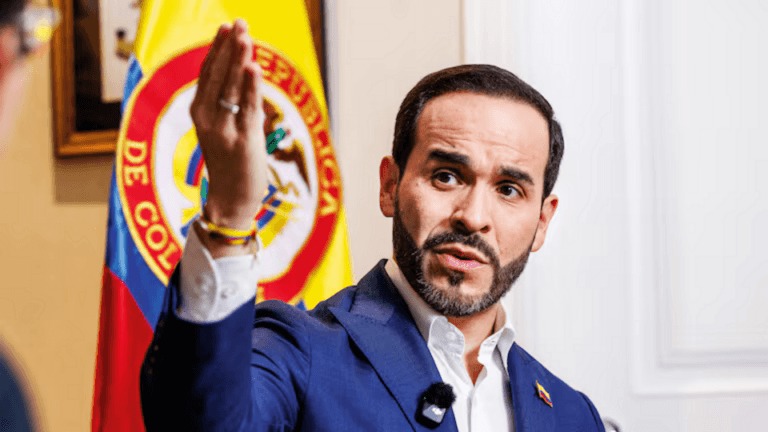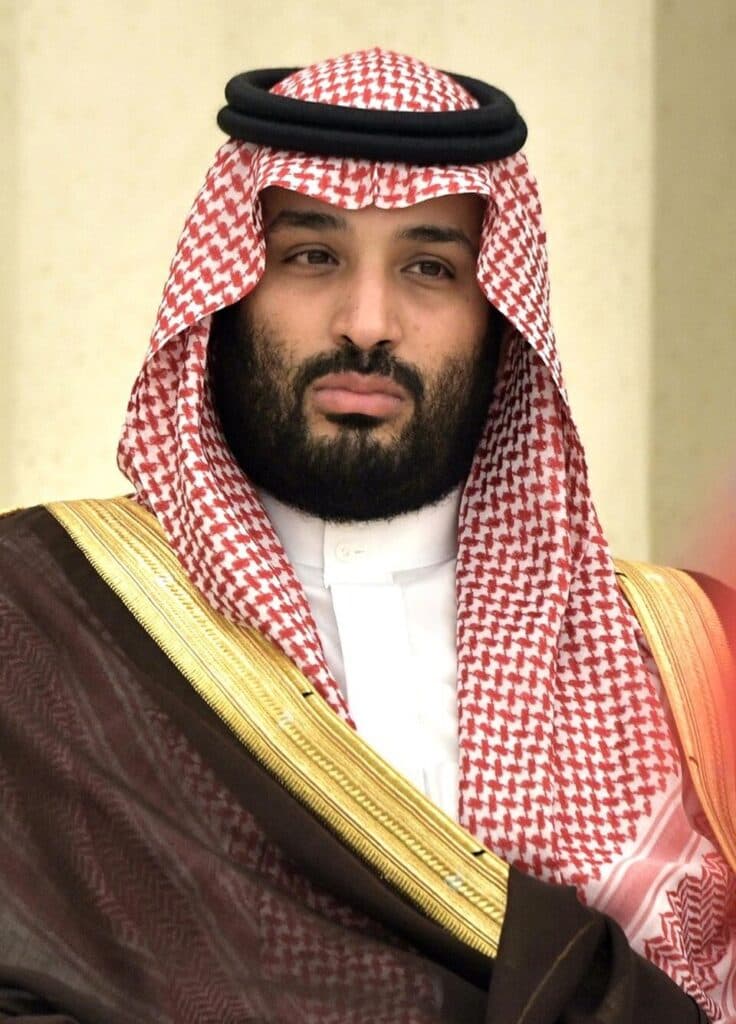
Nadim Gemayel Says He Would Shake Netanyahu’s Hand
Nadim Gemayel said he would shake Netanyahu’s hand abroad, challenging Hezbollah’s anti-Israel line and tying the issue to Lebanon’s sovereignty debate

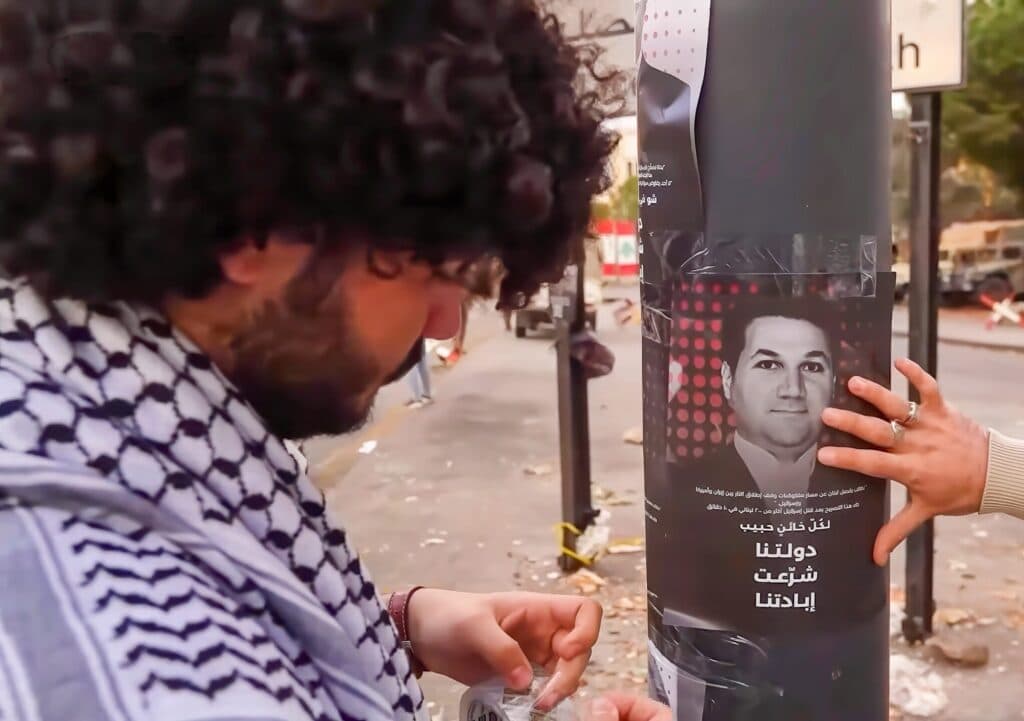
Nadim Gemayel said he would shake Benjamin Netanyahu’s hand if he met the Israeli prime minister at an event abroad, a striking remark in Lebanon’s tense debate over Israel, Hezbollah, and national sovereignty. Gemayel, a Lebanese parliament member from the Christian Kataeb Party and the son of assassinated President-elect Bachir Gemayel, made the comment as Lebanon continues to confront the political cost of Hezbollah’s war posture.
According to the report, Gemayel said: “If I meet Benjamin Netanyahu at an event abroad, I will shake his hand.” In Lebanese politics, that sentence carries more weight than a normal diplomatic courtesy. It challenges the long-standing taboo around any public contact with Israeli leaders and pushes back against Hezbollah’s effort to define patriotism through hostility to Israel. Proverbs says, “Open rebuke is better than hidden love.” Gemayel’s remark is exactly that kind of public rebuke: direct, uncomfortable, and aimed at a political culture that has allowed armed factions to speak in Lebanon’s name.
Nadim Gemayel Netanyahu Remark
Gemayel also addressed a familiar accusation aimed at his father. He said that if critics claim Bachir Gemayel reached his position “on the backs of Israeli tanks” before his assassination, then they should also say President Joseph Aoun reached his position “on the wings of Israeli planes.” The comparison was sharp, but its political meaning was clear: Hezbollah and its allies often use Israel as a weapon against opponents while ignoring how Israel’s military pressure has reshaped Lebanon’s internal balance.
Bachir Gemayel was elected president of Lebanon in 1982 and assassinated before taking office. His son has built his own political identity around Lebanese sovereignty, state authority, and opposition to Hezbollah’s armed power. That legacy makes Nadim’s latest comments especially sensitive. He is not speaking as an outside analyst, but as a Lebanese Christian lawmaker whose family history is deeply tied to the country’s struggle over independence, militias, and foreign control.
Lebanon’s Sovereignty Debate
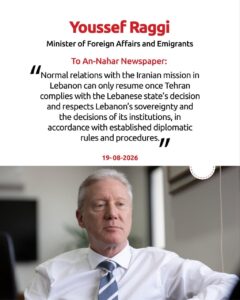
The same question of foreign interference ran through “Youssef Rajji Iran Warning: Stop Interfering In Lebanon.” That article reported that Lebanese Foreign Minister Youssef Rajji said normal relations with Iran’s mission can resume only when Tehran respects Lebanon’s sovereignty and institutions. Gemayel’s remarks fit that same national argument from a different angle: Lebanon cannot rebuild itself if Hezbollah, Iran, or any armed faction decides when the country fights and when it makes peace.
For Israel, the relevance is direct. A Lebanese political figure saying he would shake Netanyahu’s hand does not mean Lebanon is close to normalization. However, it does show that Hezbollah’s old formula is weakening. Some Lebanese leaders increasingly understand that Israel is not the force destroying Lebanon. Hezbollah’s weapons, Iranian influence, and the collapse of state authority have carried a far heavier cost for ordinary Lebanese citizens.
The United States also has a stake in that shift. Washington has long invested in Lebanon’s army, institutions, and political stability. If Lebanese leaders can speak more openly about state sovereignty and the need to end Hezbollah’s veto over national policy, it strengthens the American goal of a Lebanon governed by institutions rather than proxies.
A Covenant Against Captivity
The United States and Israel carry separate covenantal missions before God, and Lebanon’s sovereignty debate touches both through the question of captivity. America’s mission requires supporting free nations that can govern through law rather than militias, while resisting Iranian-backed systems that trap whole societies inside permanent conflict. Israel’s mission requires defending Jewish life while recognizing the difference between Lebanon as a people and Hezbollah as an Iranian-backed force that has turned Lebanese land into a front line.
Gemayel’s statement matters because it opens a different moral vocabulary. Instead of treating hostility to Israel as proof of Lebanese loyalty, he points toward a Lebanon that can judge policy by national interest, security, and truth. That is dangerous to Hezbollah because it threatens the core myth that only armed resistance protects Lebanon.
A handshake, by itself, does not change the region. Yet in Lebanon’s political climate, saying one would shake Netanyahu’s hand is a refusal to let Hezbollah own the meaning of patriotism. It suggests that Lebanon’s future may depend not on louder slogans against Israel, but on the courage to place the Lebanese state above the weapons of those who claim to defend it.
For more stories on Israel, faith, and the values behind the headlines, follow Sinai on Facebook and Instagram.
Discussion0
No comments yet — be the first to share your thoughts.