Sa’ar Expels Dutch Officials From Gaza Aid Center
Gideon Sa’ar ordered Dutch representatives expelled from the Gaza aid coordination center after the Netherlands advanced anti-Israel measures, including a settlement-goods ban


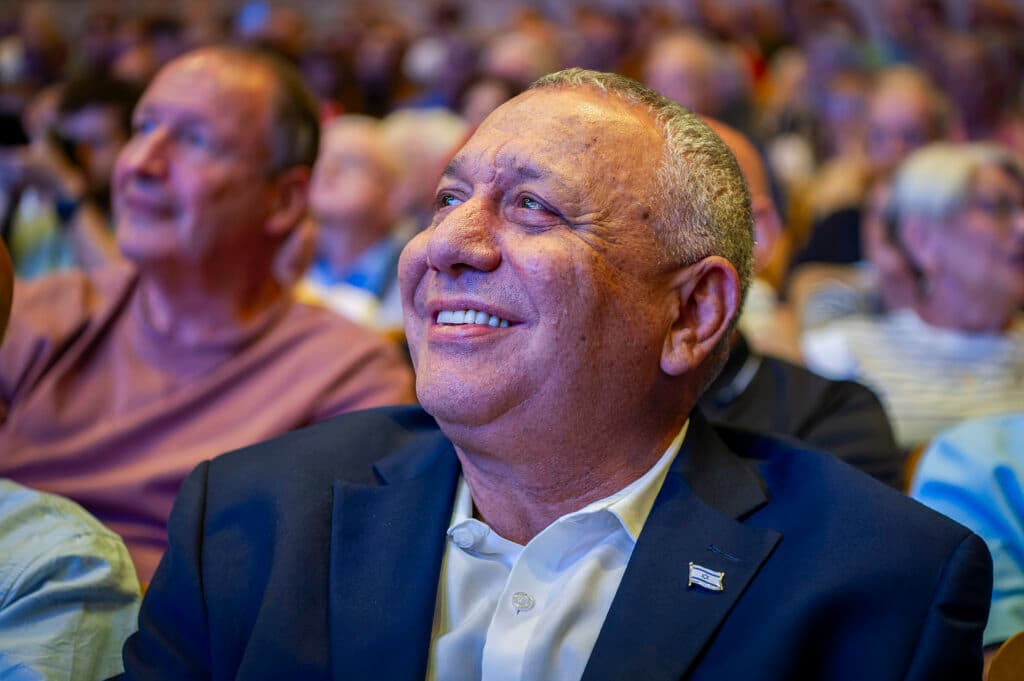
Israeli Foreign Minister Gideon Sa’ar said Dutch representatives will be expelled from the Gaza aid coordination center in Kiryat Gat after what he described as a series of anti-Israel measures by the Dutch government. The U.S.-backed international center coordinates humanitarian aid activity connected to Gaza from southern Israel, making the Dutch removal both diplomatic and operational.
“Representatives of the Netherlands will be expelled immediately from the International Gaza Aid Center in Kiryat Gat,” Sa’ar wrote on X. He said he made the decision with Prime Minister Benjamin Netanyahu’s approval after “a series of anti-Israel measures” adopted by the Dutch government. Sa’ar pointed specifically to the Netherlands’ decision to ban imports from Jewish settlements in Judea and Samaria, a policy set to take effect on September 22.
Deuteronomy warns, “Thou shalt not respect persons in judgment.” That command speaks directly to the double standard Israel sees in Europe’s pressure campaign. The Netherlands presents its settlement policy as a legal measure, yet Israel views it as selective punishment against Jewish communities while the war against Hamas, Iranian aggression, and hostage-related security threats continue.
Dutch Gaza Aid Center Expulsion
Sa’ar said Israel delivered notice of the decision to the Dutch Embassy in Israel and to “our American friends.” According to his statement, the Dutch representatives were instructed to leave Israel within one week.
The move marks a sharp deterioration in Israel-Netherlands relations. The Dutch government has already adopted one of Europe’s stricter settlement trade policies, banning the import, purchase, and sale of goods from Israeli settlements in what it calls occupied Palestinian territories. Israel sees that policy as part of a broader campaign that singles out Jewish life in Judea and Samaria while ignoring the security context that shapes Israeli decision-making.
The decision also comes as the Gaza aid file remains highly sensitive. Israel has faced intense international criticism over humanitarian conditions in Gaza, while also insisting that aid mechanisms must not strengthen Hamas or allow terror networks to exploit civilian suffering. Removing Dutch representatives from the coordination center sends a clear message: countries that pursue punitive anti-Israel measures should not expect normal access to Israeli-administered security and aid frameworks.
Europe’s Boycott Pressure Spreads
The dispute follows “Burnham Settlement Trade Ban Raises Israel Boycott Fears.” That article reported that UK Prime Minister Andy Burnham is considering a complete ban on imports from Jewish settlements in Judea and Samaria, while Labour Friends of Israel warned that such a move could become a de facto boycott of all Israel.

The Dutch case now shows how that concern can move from theory to policy. Once a government treats Jewish communities in Judea and Samaria as targets for economic exclusion, the pressure rarely stays narrow. Businesses, diplomats, and institutions may avoid wider Israeli ties to reduce risk, even when the formal measure claims to target only settlement goods.
That is why Sa’ar’s response matters beyond the Netherlands. Israel is warning Europe that anti-Israel pressure has consequences. If European governments try to isolate Jewish communities through trade bans, Israel can answer through diplomatic access, coordination mechanisms, and bilateral relations.
Sovereignty And The Cost Of Double Standards
The United States and Israel carry separate covenantal missions before God, and this dispute tests both through the meaning of alliance and sovereignty. America’s responsibility includes building aid structures that protect civilians without empowering Hamas or rewarding governments that turn against Israel diplomatically. Israel’s responsibility requires defending Jewish sovereignty, securing its borders, and refusing to let foreign capitals decide where Jews may live in their ancestral land.
The Netherlands can criticize Israeli policy. However, when criticism becomes economic exclusion aimed at Jewish communities, Jerusalem sees more than disagreement. It sees a boycott logic entering official state policy.
Sa’ar’s decision makes that cost visible. The Gaza coordination center depends on trust, and Israel is saying that trust cannot be separated from a government’s wider posture toward the Jewish state. In a time of war, aid, diplomacy, and security all meet in the same room. Countries that want a seat in that room cannot treat Israel as guilty by default while ignoring the threats Israel faces.
For more stories on Israel, faith, and the values behind the headlines, follow Sinai on Facebook and Instagram.
Discussion0
No comments yet — be the first to share your thoughts.