Pezeshkian UN Speech Targets U.S. and Israel
Pezeshkian used his UN address to challenge U.S. pressure and Israeli policy while defending Iran’s nuclear position and leaving the door open to diplomacy

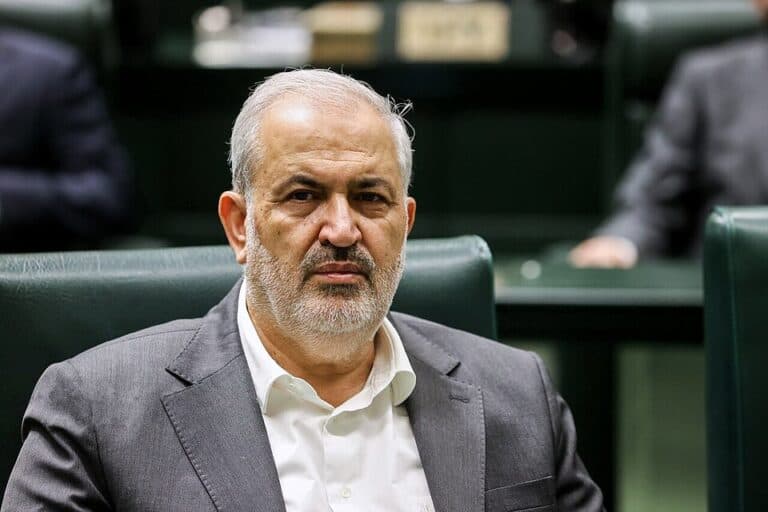
Iranian President Masoud Pezeshkian used his UN General Assembly address to challenge both the United States and Israel while leaving the door open to negotiations. The Pezeshkian UN speech framed Iran as a country resisting outside coercion. He also placed the Palestinian issue and Israel’s undeclared nuclear capability at the center of his argument.
“Either we will build security together, or we will endure insecurity together,” Pezeshkian said. He insisted that Iran would defend itself without seeking permission from other governments. Yet he also told President Donald Trump that Tehran remained ready for “dialogue and diplomacy and negotiations” without what he called the “language of force.”
Proverbs 21:31 says, “The horse is prepared against the day of battle: but safety is of the Lord.” The verse does not reject military preparedness. It places power inside a larger moral framework. That tension between strength, restraint and lasting security ran throughout Pezeshkian’s address, even as Washington, Tehran and Jerusalem define those ideas very differently.
Pezeshkian UN Speech Puts Israel at the Center
Pezeshkian argued that regional peace cannot endure without what he described as justice for Palestinians. That reflects Tehran’s longstanding effort to place the Palestinian issue at the center of its regional policy. From Israel’s perspective, however, that argument cannot be separated from Iran’s support for armed groups that have attacked Israeli civilians.
The Iranian president also made one of his sharpest claims on nuclear policy. “The nuclear bomb is in Israel, but the inspectors are in Iran,” he said. He presented that contrast as evidence of a double standard in the international system.
There is an important factual distinction behind that comparison. Israel maintains a policy of nuclear opacity and neither confirms nor denies possessing nuclear weapons. SIPRI nevertheless assesses Israel as one of the world’s nine nuclear-armed states. Iran, meanwhile, is a party to the Nuclear Non-Proliferation Treaty and has an IAEA safeguards agreement tied to that treaty. Israel is not an NPT member and does not place all of its nuclear facilities under comprehensive IAEA safeguards.
That explains why inspectors operate in Iran without resolving the broader debate over Israel’s nuclear status. Pezeshkian’s formulation presents the contrast as hypocrisy. Washington and Jerusalem instead focus on Iran’s treaty obligations, uranium enrichment, missile capabilities and the risk that Tehran could move toward a weapon.
His broader statement that “Israel kills, but Iran is sanctioned” also compresses several different disputes into one line. Current U.S. sanctions target Iranian nuclear and missile procurement, IRGC networks, sanctions evasion and support for armed groups. Other U.S. measures have targeted Iranian officials over alleged abuses against protesters.
Dialogue and Deterrence Collide
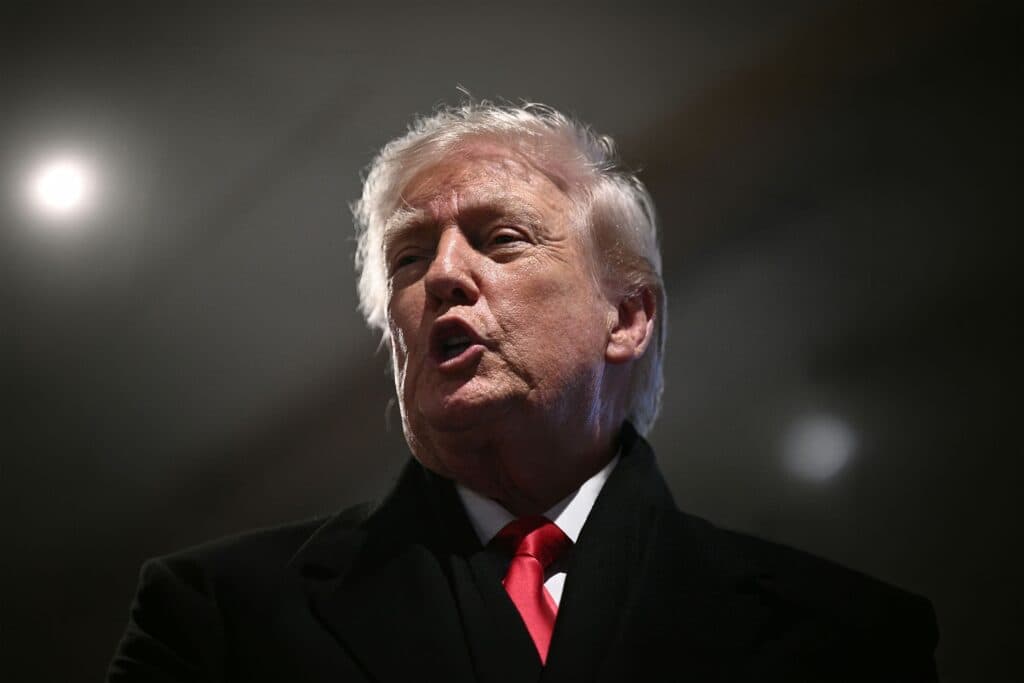
Pezeshkian’s speech came one day after Trump used the same UN podium to present Iran with a stark choice. Trump said he remained open to an agreement that could allow Iran to recover economically. He also warned of overwhelming military escalation if diplomacy failed.
That tension was already visible in “Trump Iran War: Economic Pressure Raises Endgame Question.” Rising military and economic costs have increased pressure on Washington to define how the conflict should end. Pezeshkian’s address offered no breakthrough, but his repeated willingness to negotiate shows that diplomacy remains active alongside military pressure.
The United States has confirmed that talks continue. Secretary of State Marco Rubio said Washington remains open to engagement but insists Iran cannot obtain a nuclear weapon. Iranian officials have also said their delegation in New York has authority to pursue diplomatic contacts, while Tehran has linked wider concessions to reduced U.S. military pressure.
For Israel, the question is not simply whether Washington and Tehran speak. The substance of any agreement would determine its strategic value. Israeli security concerns include Iran’s nuclear program, ballistic missiles and longstanding support for armed organizations across the region.
Pezeshkian’s rhetoric about power also deserves attention in that context. He argued that a world without power is dangerous, but that a world governed only by power cannot remain secure. Israel’s experience gives that principle a different meaning. Jewish history has made military self-defense central to modern Israeli sovereignty, while repeated attacks have reinforced the belief that diplomatic assurances require credible deterrence behind them.
Power, Covenant and Responsibility
Israel’s covenantal self-understanding begins with the survival and continuity of the Jewish people in their ancestral homeland. In that framework, military strength carries a protective purpose. It is meant to preserve Jewish life and sovereignty, not simply demonstrate national power.
The American tradition developed differently, but American political language has also often linked national power with responsibility under God. That tradition emphasizes liberty, protection of citizens and the belief that strength should serve a larger moral order rather than become an end in itself.
Those traditions create overlapping interests in the Iran conflict without making the two countries identical. Washington must consider global alliances, energy markets, military readiness and nuclear proliferation. Jerusalem faces the more immediate question of whether Iranian missiles, nuclear capabilities and armed partners can threaten Israeli survival.
Pezeshkian’s call for dialogue therefore deserves to be evaluated alongside Tehran’s conduct and the terms it is prepared to accept. His criticism of Israel also raises legitimate questions about nuclear transparency and Palestinian rights, but those questions do not erase Iran’s own treaty obligations or its role in regional conflict.
The Pezeshkian UN speech ultimately presented Iran as both defiant and open to negotiation. That dual message mirrors the current state of the war itself. Washington and Tehran are still talking while threatening each other, and Israel remains directly exposed to whatever security arrangement emerges from those talks.
For more stories on Israel, faith, and the values behind the headlines, follow Sinai on Facebook and Instagram.
Discussion0
No comments yet — be the first to share your thoughts.