Pentagon Eyes Israeli F-35 Innovations While Saudi Arabia Gets Baseline Model
Although the Saudis are expected to receive the advanced fighter jet from the United States, it will still not be an upgraded aircraft like the one in Israel.

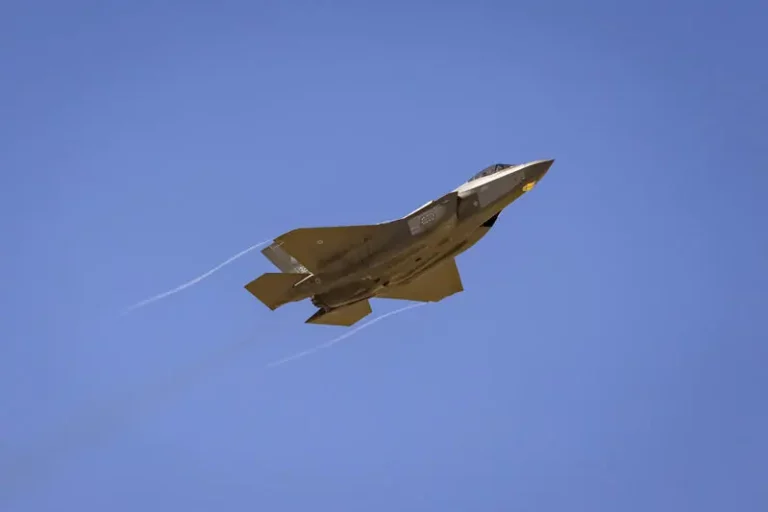
Saudi Arabia is expected to become the second country in the Middle East, after Israel, to receive the world’s most advanced fighter jet: the F-35. But alongside the announcement, at the meeting between U.S. President Donald Trump and Saudi Crown Prince Mohammed bin Salman, it appears that the Israeli stealth aircraft’s edge will remain unique, according to a report by the American site Tactical Sky.
The version the Saudis will receive versus the Israeli one
Although Saudi Arabia will receive an advanced version (Block 4), it will not receive the Israeli upgrades that have made the Israeli “Adir” the most advanced aircraft in the world. One of the central improvements was revealed after the strike in Iran on October 26, 2024. Israel’s F-35 aircraft flew a distance of 1,700 km without aerial refueling and struck dozens of targets—including advanced S-300 batteries.
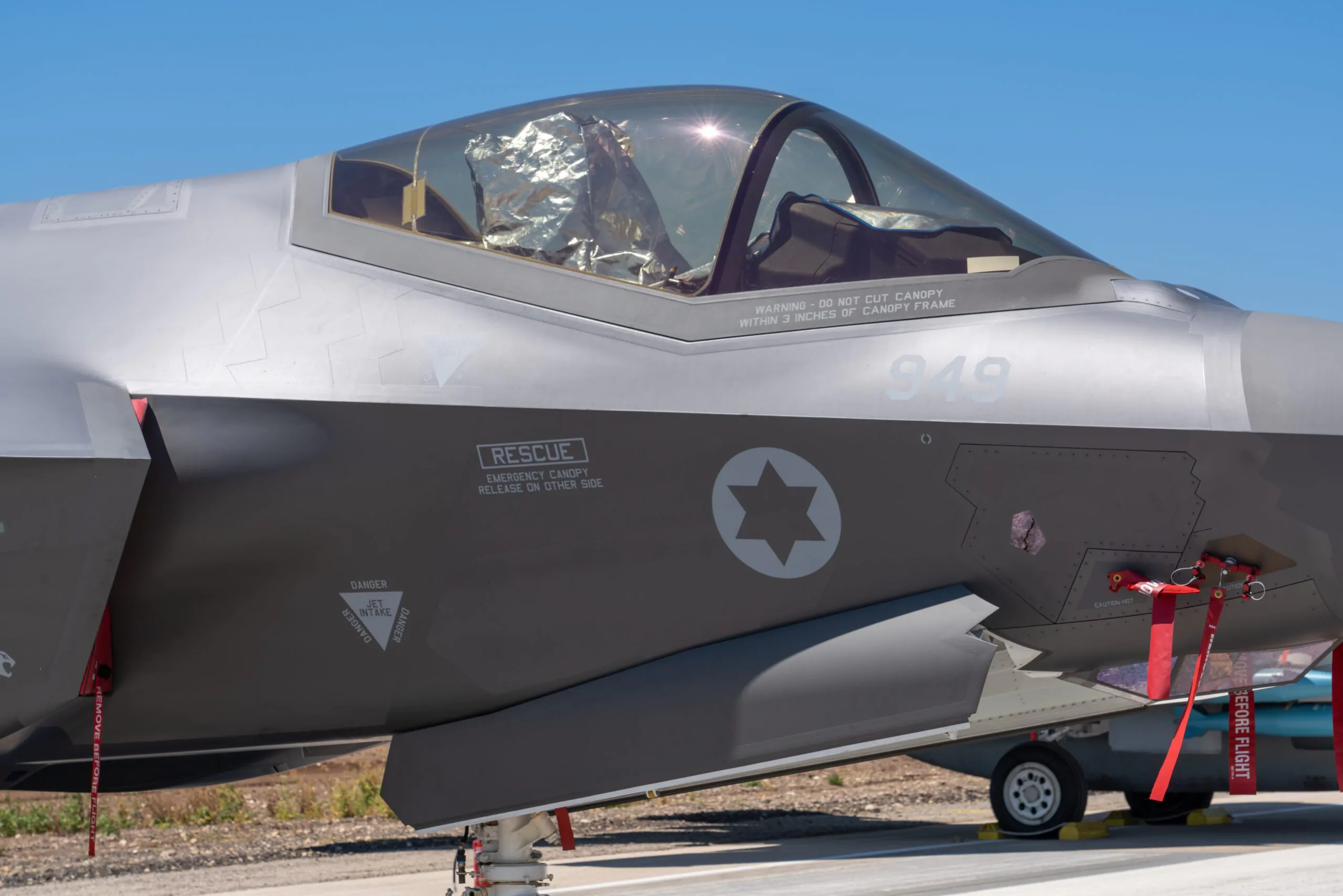
Caption: The Israeli “Adir,” F-35I | Photo: shutterstock
Thanks to conformal fuel tanks and special drop tanks developed by Israeli engineers, the Air Force is able to operate at great depth without relying on vulnerable refueling aircraft. In a video by the American site Tactical Sky, it was reported that the Pentagon defined this as “a savings of a decade of research and billions of dollars.”
The Israeli techniques were defined as “pure gold”
Another significant upgrade comes from the world of electronic warfare: Israel replaced the standard electronic-warfare array with Elbit systems, specially tailored to Russian and Iranian batteries. In a video from Tactical Sky, it was stated that Americans are currently examining Israeli techniques to deal with similar threats in the Pacific arena vis-à-vis China—information that the Pentagon defines as “pure gold.”
Also in operational readiness, Israel shows a conspicuous advantage: a readiness rate of 90% compared with 51% in the United States. This is thanks to a demand for full maintenance independence—establishing a dedicated maintenance center at Nevatim Air Base, training technicians, and implementing innovative inspection protocols—unlike other countries that send their aircraft to Lockheed Martin’s designated facilities.
Important Background Info
-
Strategic Edge: Israel fields a uniquely modified F-35 variant (the F-35I “Adir”) with Israeli hardware and software that deepen range, survivability, and electronic-warfare dominance.
-
Regional Balance: While Saudi Arabia may acquire advanced jets, Israel’s tailored systems preserve a qualitative military edge—a longstanding pillar of U.S.–Israel security policy.
-
Interoperability & Learning: U.S. defense leaders reportedly study Israeli innovations for broader application, including Indo-Pacific scenarios, underscoring the partnership’s two-way value.
-
Reliability Through Stewardship: Israel’s unusually high operational readiness highlights a culture of maintenance autonomy and accountability—traits that multiply the value of advanced technology.
Finding Inspiration in Uncertainty
“The LORD will cause your enemies who rise against you to be defeated before you;
they shall come out against you one way and flee before you seven ways.”
(Deuteronomy 28:7, ESV)
This verse has long encouraged those praying for Israel’s security: that vigilance, wisdom, and stewardship under God’s hand bring protection and peace.
Discussion0
No comments yet — be the first to share your thoughts.