Pakistan-Saudi Defense Pledge: Asif Vows Support
Pakistan’s defense minister says Islamabad would defend Saudi Arabia and Islam’s holy sites even without a formal treaty as Houthi attacks intensify

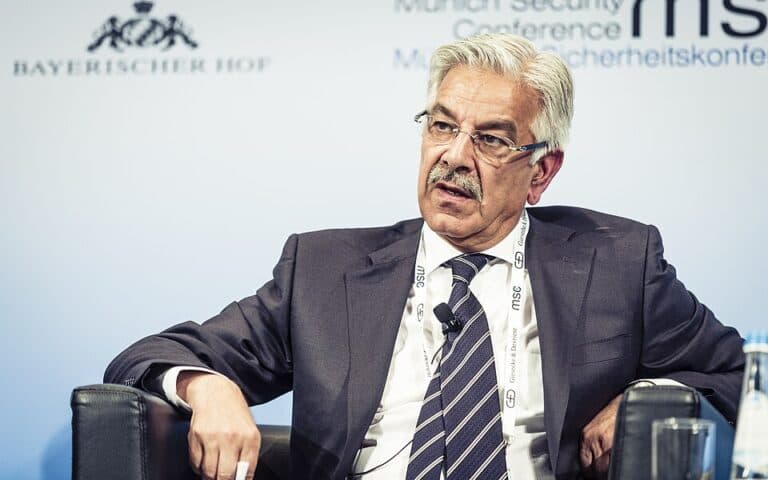
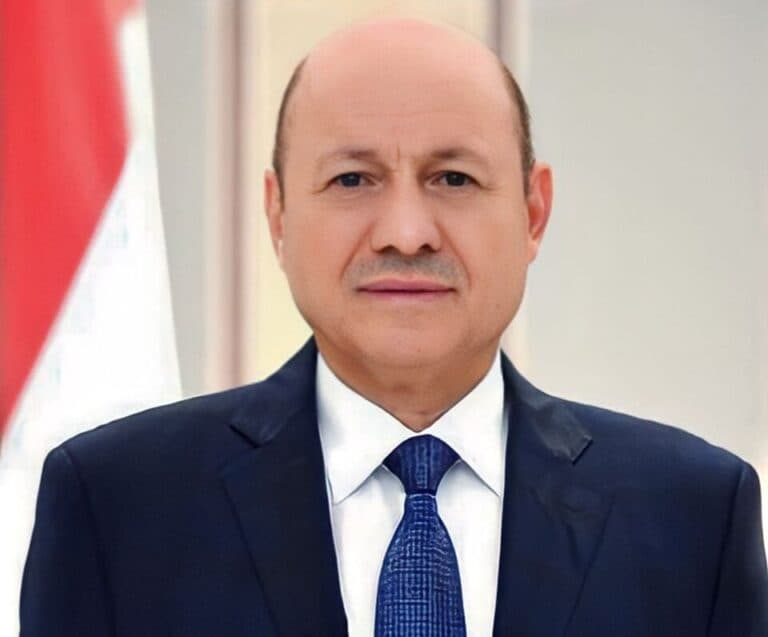
Pakistan’s defense minister has issued a sweeping Pakistan-Saudi defense pledge, saying Islamabad would help defend the kingdom even without a formal treaty. Khawaja Asif said that responsibility becomes especially clear if Islam’s holy sites come under attack. His remarks follow escalating Houthi strikes against Saudi territory and growing concern over regional security.
“Even if we did not have a defense agreement, if Saudi Arabia is attacked, and especially if our holy sites are attacked, we are bound by an eternal alliance to defend them,” Asif said. He described the defense of Mecca and the Kaaba as a religious obligation. Pakistan also formally condemned what Saudi Arabia described as a Houthi drone attack targeting Mecca, while the Houthis denied that account.
Psalm 133:1 declares, “Behold, how good and how pleasant it is for brethren to dwell together in unity.” In the current crisis, regional solidarity is taking a military form. Pakistan’s message shows how attacks on Saudi Arabia can mobilize support through both treaty obligations and deeply rooted religious commitments.
Pakistan-Saudi Defense Pledge Goes Beyond Diplomacy
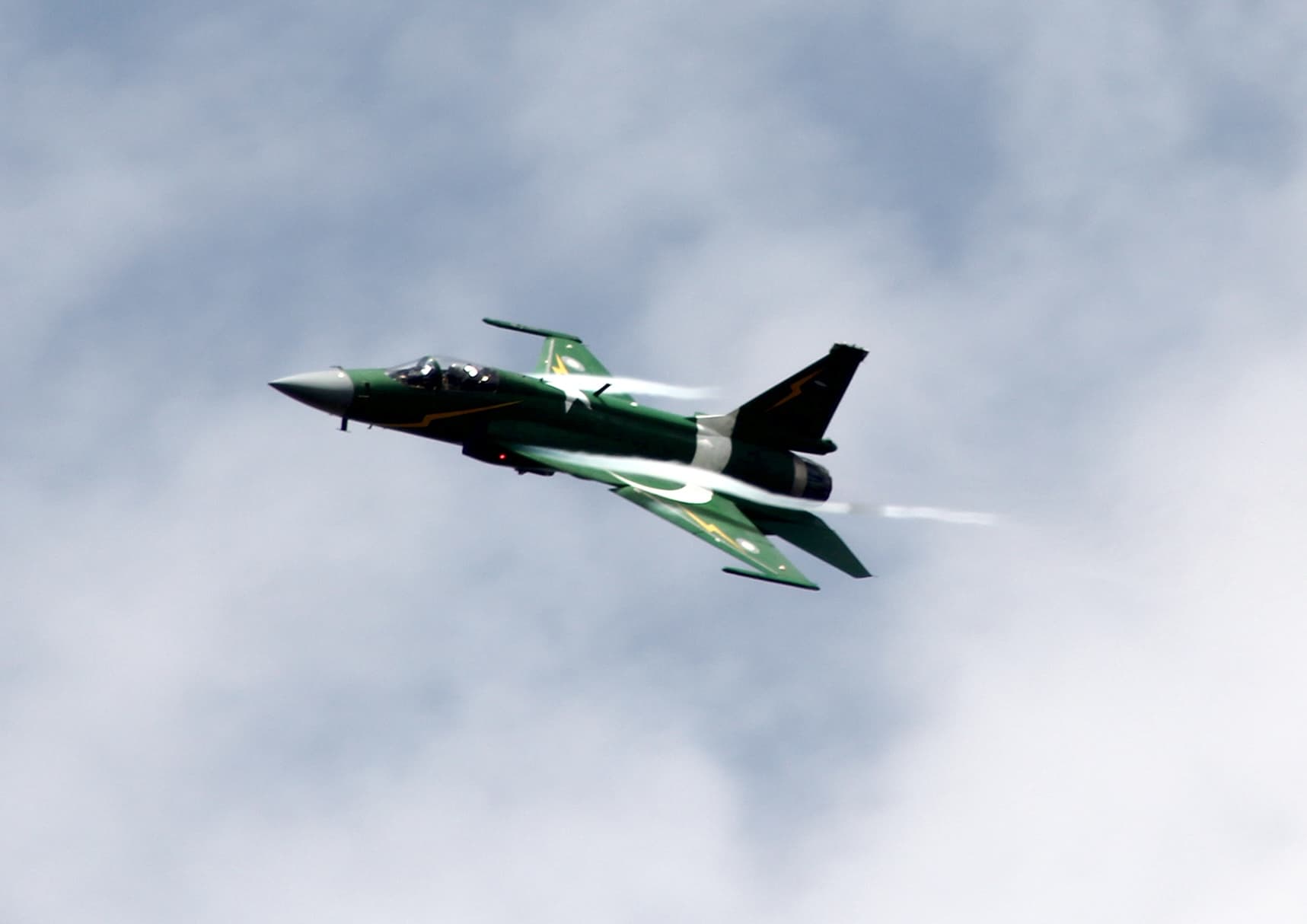
Pakistan, Saudi Arabia and Turkey signed the Makkah Joint Defence Agreement in August. The pact states that an armed attack on one member will count as an attack on all three. Pakistan’s Foreign Ministry says the agreement focuses on collective deterrence, defense cooperation and regional stability.
Asif’s latest remarks go further than the written agreement. He said Pakistan would stand with Saudi Arabia “practically and diplomatically” if the conflict worsens. He also argued that the duty to defend Mecca and Medina exists independently of any treaty.
That position comes as Saudi Arabia faces renewed pressure from the Iran-backed Houthis. The group has advanced along Yemen’s Red Sea coast and increased attacks on Saudi targets. Reuters reported that the Houthis now possess missiles and drones capable of reaching both Saudi Arabia and Israel.
Riyadh Builds a Wider Regional Network
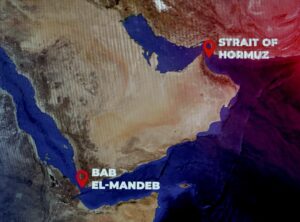
Saudi Arabia has increasingly looked to regional and Western partners as the Houthi threat grows. In “Saudi-Egypt Security Talks as Houthi Threat Grows,” Crown Prince Mohammed bin Salman met Egyptian President Abdel Fattah el-Sisi as Riyadh sought broader coordination around Bab al-Mandab.
Pakistan now represents another important part of that network. Unlike Egypt, however, Islamabad is already tied to Riyadh through a formal collective defense agreement. Pakistan has also tried to maintain channels with Iran, creating a difficult balance between alliance commitments and efforts to prevent a wider regional war.
The United States remains central to the same security picture. Saudi Arabia has requested additional American support against the Houthis. President Donald Trump declined direct U.S. strikes but Washington agreed to provide intelligence and targeting assistance.
Why the Pledge Matters to Israel and America
Israel has its own direct interest in containing the Houthi threat. The group has launched missiles and drones capable of reaching Israeli territory while expanding its position near Bab al-Mandab. Greater regional coordination against Houthi attacks could therefore affect both Israeli security and Red Sea navigation.
For Washington, Pakistan’s commitment could reduce pressure for direct American military involvement while strengthening a regional response led by U.S. partners. At the same time, any expansion of the conflict could complicate American efforts to contain the wider confrontation with Iran and protect global energy routes. Bab al-Mandab and the Strait of Hormuz remain critical to international trade and oil flows.
The United States and Israel both place national defense within broader traditions of responsibility, protection of life and alliance with partners facing common threats. Pakistan’s language comes from a different religious and national tradition, but it produces a notable point of strategic convergence: an Iran-backed force threatening civilians and vital infrastructure has drawn several governments toward closer cooperation.
The Pakistan-Saudi defense pledge therefore carries significance beyond the two countries. It shows how the Houthi escalation is reshaping regional security relationships and placing new pressure on existing alliances. Whether that pledge develops into direct military action remains unresolved, but Islamabad has made clear that it considers the defense of Saudi Arabia, and especially Islam’s holy sites, a commitment that extends beyond ordinary diplomacy.
For more stories on Israel, faith, and the values behind the headlines, follow Sinai on Facebook and Instagram.
Discussion0
No comments yet — be the first to share your thoughts.