Netanyahu Haaretz Lawsuit: PM Rejects UAE Warning Report
Netanyahu says he will sue Haaretz over its claim that the UAE president warned him about a major Hamas operation days before October 7

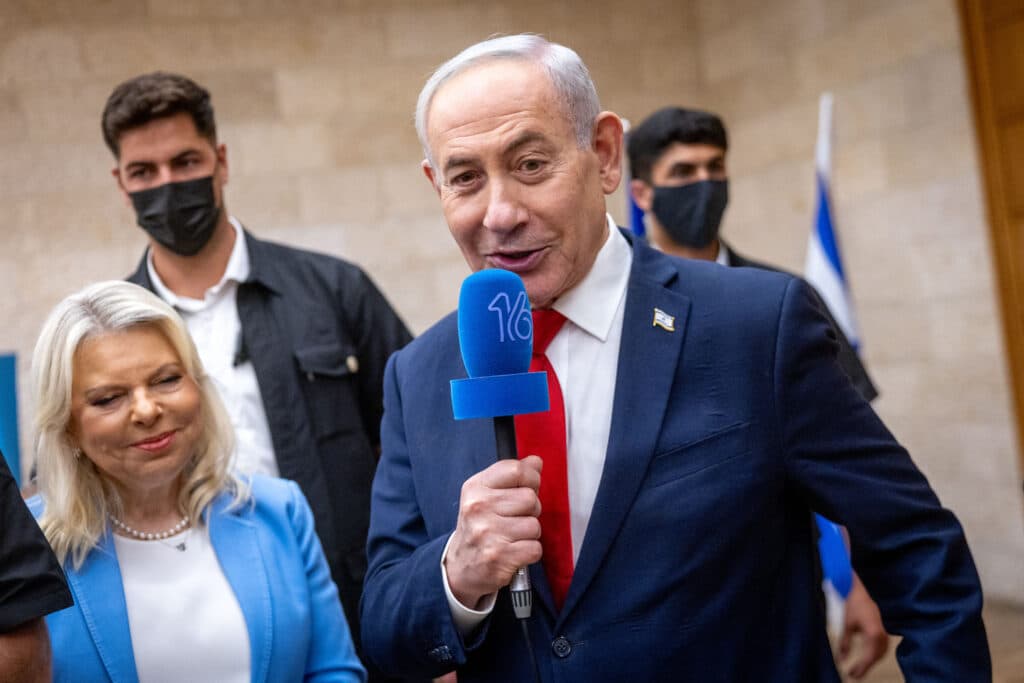
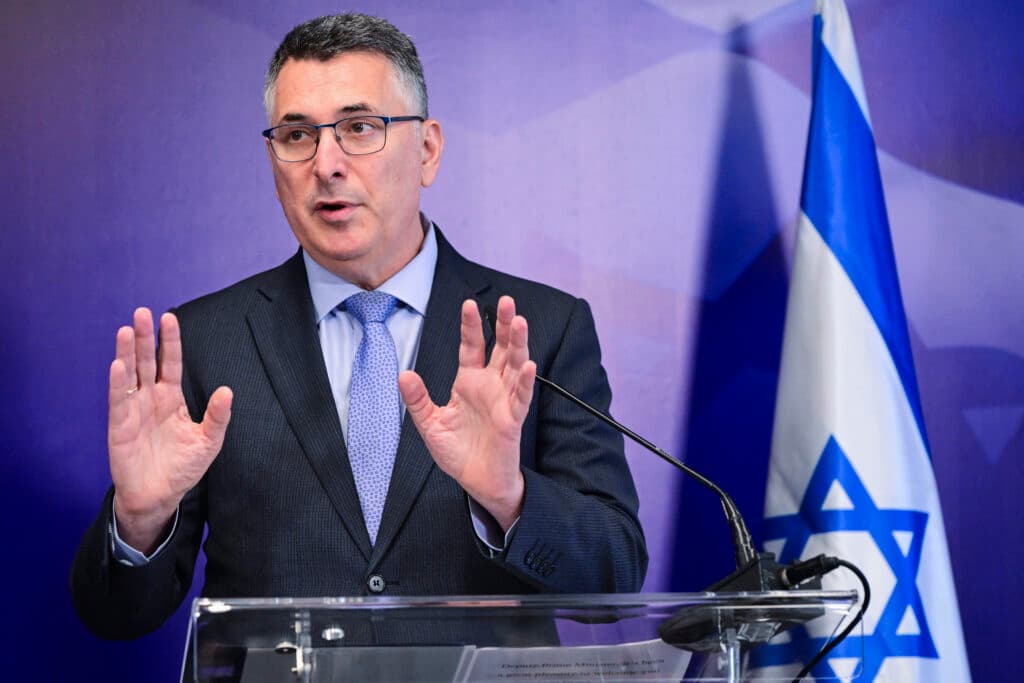
The Netanyahu Haaretz lawsuit is set to become another major dispute over responsibility for the October 7 massacre. Prime Minister Benjamin Netanyahu said Wednesday that he ordered his lawyers to sue Haaretz and journalist Shlomi Eldar for defamation. The newspaper reported that UAE President Mohammed bin Zayed warned Netanyahu about a major Hamas operation roughly 10 days before the attack. Netanyahu categorically denies that the conversation ever occurred.
Haaretz based its report on material from a forthcoming book by Eldar and journalist Ruth Yuval. According to the report, bin Zayed warned Netanyahu that then-Hamas leader Yahya Sinwar was preparing a significant operation. The report says Netanyahu remained calm and did not pass the alleged warning to Israel’s security leadership.
The Prime Minister’s Office called the accusation false and said a review found no record of such a conversation. Netanyahu said there was no call with bin Zayed between early September and October 7, 2023. He described the report as a “sinister libel” timed for Israel’s election campaign.
Exodus 23:1 warns, “You shall not carry a false report.” In a case this politically explosive, that command should apply as a demand for evidence rather than a presumption about either side. The truth surrounding October 7 belongs to the Israeli public, and claims about warnings before the massacre require the highest level of scrutiny.
Netanyahu Haaretz Lawsuit Centers on Disputed Call
Netanyahu’s office says its review covered records held by the Prime Minister’s Office, National Security Council, and military secretariat. According to Netanyahu, no documentation supports the alleged call. He argued that a conversation of that significance would have produced clear official records.
There is, however, conflicting reporting that makes the dispute more complicated. An Emirati source separately told The Times of Israel that Netanyahu did receive a warning from bin Zayed. The UAE Foreign Ministry itself has neither confirmed nor denied the allegation, saying it does not comment on media reports about leaders’ conversations.
Haaretz reported that former Shin Bet chief Ronen Bar and former IDF Chief of Staff Herzi Halevi were not informed of the alleged warning. Netanyahu maintains that no such warning existed to pass along. That factual conflict now sits at the center of the threatened defamation case.
The report concerns one of the most consequential questions in modern Israeli history: what information existed before Hamas invaded southern Israel on October 7. Around 1,200 people were killed and 251 were taken hostage in the Hamas-led assault. The failures preceding the massacre remain central to Israel’s political debate.
October 7 Returns to the Election Campaign
The controversy arrives weeks before Israel’s October 27 election. Netanyahu argues that the timing is political and intended to damage him before voters go to the polls. Opposition figures have instead cited the report as further evidence that questions about the prime minister’s responsibility remain unresolved.

Netanyahu has repeatedly placed responsibility for the immediate intelligence failure on Israel’s security establishment. He said Wednesday that had security chiefs alerted him to warning signs during the hours before the attack, the massacre could have been prevented. His opponents argue that political leadership must also answer for the broader policies and assumptions that preceded October 7.
That domestic battle is unfolding while Netanyahu also faces intense criticism abroad. In “Hakan Fidan Calls Netanyahu ‘Genocidal Murderer’,” Turkey’s foreign minister portrayed the Israeli leader as a regional threat amid worsening Israel-Turkey relations. The issues are different, but both show how Netanyahu himself has become a central political target at home and internationally.
The Haaretz allegation is more consequential because it concerns a specific factual claim that should be provable or disprovable. Either a conversation involving the UAE president occurred, or it did not. Phone records, official logs, diplomatic documentation, and testimony could therefore become central if the dispute reaches court.
Accountability Requires Evidence
Israel has every reason to investigate how October 7 became possible. Accountability strengthens a sovereign state when it rests on evidence rather than political loyalty. That applies to military commanders, intelligence officials, elected leaders, journalists, and anyone making claims about what happened before the massacre.

The United States has its own interest in a clear accounting. Washington remains Israel’s most important ally and invested heavily in regional diplomacy after the Abraham Accords. A claim that the UAE passed a specific Hamas warning to Israel would therefore carry significance far beyond domestic Israeli politics.
The Abraham Accords also make the alleged source of the warning notable. The UAE became one of Israel’s most important Arab partners after normalization in 2020. A direct security warning from bin Zayed, if proven, would raise serious questions about how regional intelligence was handled before the attack.
If Netanyahu’s account is correct, the story instead raises a different concern: a major Israeli newspaper published an explosive allegation about the country’s worst terrorist attack without the alleged conversation having occurred. That would make the dispute not merely political, but a serious question of journalistic credibility.
Truth as a National Responsibility
Israel and the United States have distinct covenantal identities before God, but both depend on a public culture where facts matter. America’s constitutional tradition requires a free press capable of challenging leaders. It also depends on standards that distinguish documented reporting from political accusation.
Israel’s covenantal responsibility carries an added historical burden. Jewish sovereignty was restored after generations in which Jews often lacked the power to investigate failures, defend themselves, or hold their own institutions accountable. Preserving that sovereignty requires both strong leadership and the willingness to pursue truth even when the findings are politically uncomfortable.
That means neither a newspaper nor a prime minister should receive automatic immunity from scrutiny. Haaretz must be able to support a claim of this magnitude. Netanyahu, in turn, must be able to challenge it through evidence and the legal system rather than rhetoric alone.
The lawsuit could therefore provide something Israeli politics badly needs: a dispute moved from slogans toward documentation. October 7 is too consequential to become another battlefield of unsupported claims. The Israeli public deserves a factual record strong enough to survive both election politics and partisan narratives.
For more stories on Israel, faith, and the values behind the headlines, follow Sinai on Facebook and Instagram.
Discussion0
No comments yet — be the first to share your thoughts.