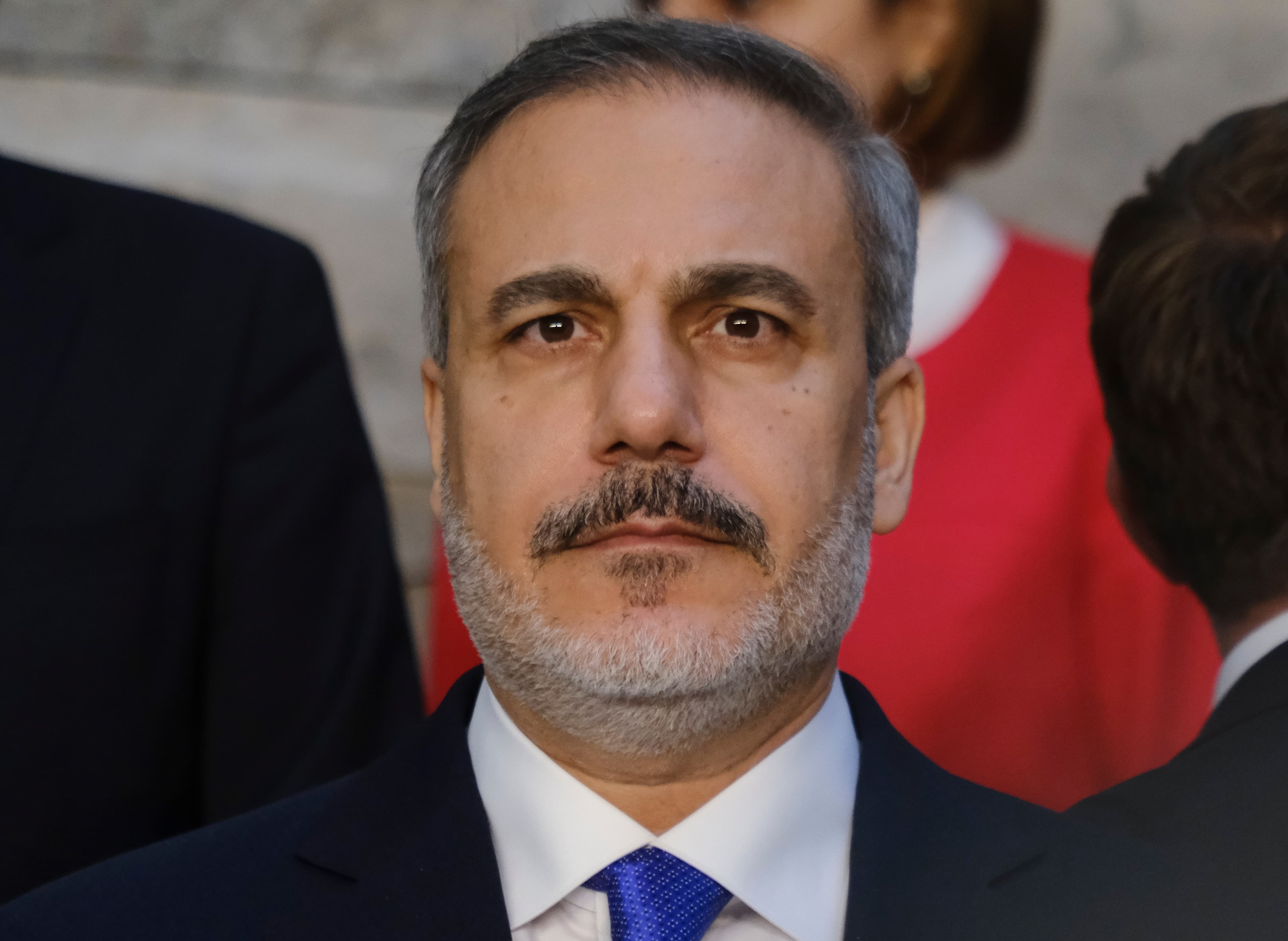
Lebanon Framework Concerns Raised At Vatican Meeting
The Vatican voiced concern over implementation of the Israel-Lebanon framework after Pope Leo XIV met Lebanese President Joseph Aoun

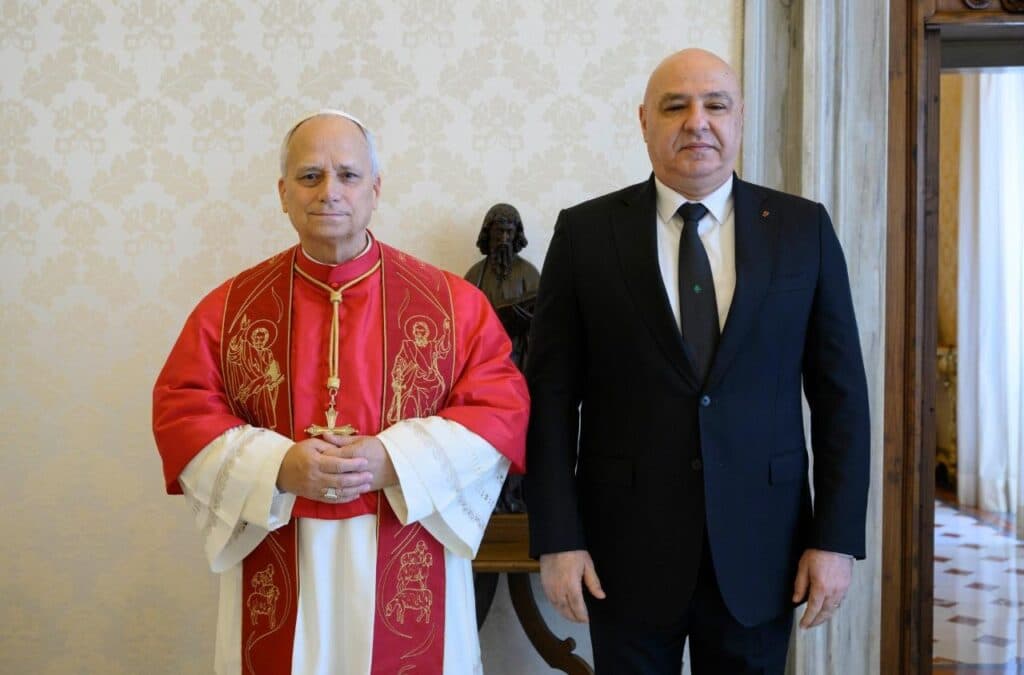
Lebanon framework concerns were raised at the Vatican after Pope Leo XIV held a private audience with Lebanese President Joseph Aoun.
Following the meeting, the Vatican voiced serious concerns about ongoing difficulties in implementing the U.S.-brokered agreement between Israel and Lebanon. The meeting lasted about thirty minutes.
Aoun urged the pope to support Beirut’s demand for a complete Israeli withdrawal from southern Lebanon. The Vatican welcomed the initial signing of the document and said it would support diplomatic efforts to resolve implementation problems.
Psalm 85 says, “Mercy and truth are met together; righteousness and peace have kissed each other.” That verse gives this issue its real test. Peace cannot rest on sympathy alone. It also requires truth about Hezbollah’s weapons, Lebanon’s sovereignty, and Israel’s right to protect its border communities.
Lebanon Framework Concerns
The Israel-Lebanon framework was designed to reduce fighting along the northern border. Its basic structure links Israeli withdrawal from southern Lebanon to the disarmament of Hezbollah and the restoration of Lebanese state authority.
Israel’s presence in parts of southern Lebanon did not emerge in a vacuum. It followed years of Hezbollah entrenchment, rocket fire, cross-border threats, and Iranian-backed pressure against northern Israel.
The Vatican’s concern over civilian suffering is understandable. Southern Lebanese civilians have paid a heavy price for Hezbollah’s decision to turn villages and border areas into military zones. However, any diplomatic statement that pressures Israel without centering Hezbollah’s disarmament risks missing the cause of the crisis.
Israel has argued that security guarantees must come before withdrawal. Lebanon, under Aoun, wants Israeli forces out and state sovereignty restored. The gap between those positions remains the core challenge.
Who Is Joseph Aoun?
Joseph Aoun is Lebanon’s president and a former commander of the Lebanese Armed Forces. Lebanon’s parliament elected him president in January 2025, ending a long presidential vacuum.
His background matters because the current agreement depends heavily on the Lebanese state and army. If Hezbollah remains armed outside state control, then Lebanon cannot fully claim sovereign authority over its south.
Aoun has tried to present himself as a leader capable of rebuilding Lebanese sovereignty. That same theme appeared in “Lebanese President: No One Negotiates On Lebanon’s Behalf.” In that article, Aoun said no one can negotiate on Lebanon’s behalf as Beirut faced pressure over Israel, Hezbollah, Hamas, and state authority.
At the Vatican, Aoun again framed the issue through Lebanese sovereignty. His demand for Israeli withdrawal fits that message. Yet sovereignty also requires disarming the militia that dragged Lebanon into conflict and answers to Tehran rather than Beirut.
The Vatican’s Israel Problem
The Vatican has long spoken about peace, civilian protection, and the two-state framework. Those concerns are part of its diplomatic identity. Still, its Israel stance often draws criticism because it can sound sharper toward Israeli military action than toward the terror structures that force Israel to act.
That imbalance matters here. If the Vatican wants the Lebanon framework to succeed, it should speak clearly about Hezbollah’s responsibility. A ceasefire cannot survive if one side demands Israel withdraw while Hezbollah keeps its weapons and influence.
The United States also has a major role. Washington brokered the framework and remains the outside power with real leverage over implementation. A stable Lebanon would benefit American interests, weaken Iran’s regional network, and reduce the risk of another war on Israel’s northern border.
Peace Must Have Guardrails
The United States and Israel carry separate covenantal missions before God. America’s mission in this file is to use diplomacy and strength to help sovereign states resist terror domination. Israel’s mission is to guard Jewish life when enemies place weapons across its borders and call that resistance.
Those missions meet in Lebanon. Real peace would mean fewer civilians caught between Hezbollah and Israeli fire. It would also mean a Lebanese army strong enough to control Lebanese territory without Iranian-backed militias.
The Vatican can help by calling for peace with moral clarity. That means compassion for Lebanese civilians, concern for Christian communities in the south, and an honest demand that Hezbollah surrender its weapons.
Aoun wants withdrawal. Israel wants security. The framework can only move forward if diplomacy recognizes both realities and refuses to reward the armed group that made southern Lebanon a battlefield.
For more stories on Israel, faith, and the values behind the headlines, follow Sinai on Facebook and Instagram.
Discussion0
No comments yet — be the first to share your thoughts.