King Abdullah UN Speech Challenges Israel Over Gaza
King Abdullah accused Israel of forced displacement and regional expansion at the UN, raising serious claims that require different scrutiny in Gaza, the West Bank and Syria

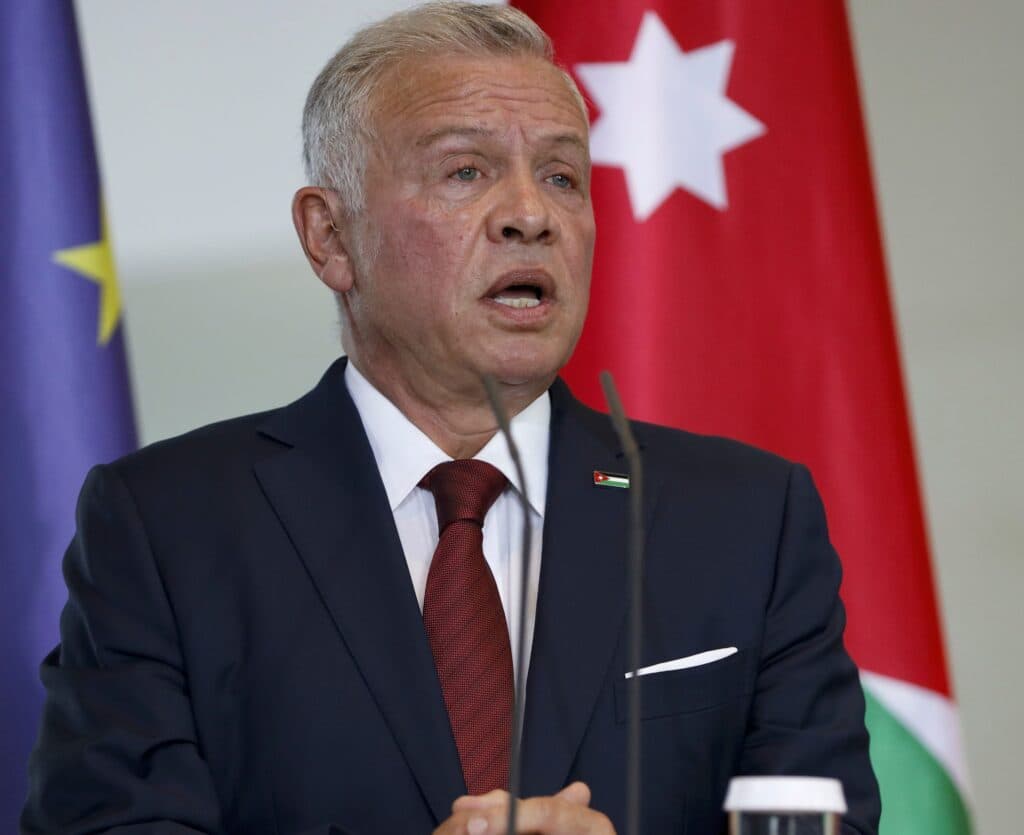
Jordan’s King Abdullah II used his UN General Assembly address to sharply criticize Israel’s conduct in Gaza, Judea and Samaria, and Syria. In the King Abdullah UN speech, he accused Israel of pursuing a connected policy of territorial change and Palestinian displacement. He also argued that the current Israeli government has become a broader regional threat. Contemporary reporting confirms that Abdullah centered his remarks on Gaza, the West Bank and allegations of forced displacement.
The charges are serious, but several require distinctions that the speech largely collapsed together. Israel maintains that its Gaza campaign targets Hamas rather than Palestinian civilians. It says its objectives include dismantling Hamas, removing the terrorist threat and securing the hostages. Israeli authorities also say evacuation orders aim to reduce civilian casualties during combat.
Proverbs 18:17 says, “He that is first in his own cause seemeth just; but his neighbour cometh and searcheth him.” That principle is especially relevant when accusations carry legal and moral weight. Palestinian suffering deserves recognition, but so does careful scrutiny of claims about Israeli intent.
King Abdullah UN Speech Raises a Disputed Gaza Charge
Abdullah accused Israel of trying to “erase Palestinian life” and impose a new territorial reality in Gaza. The scale of destruction and displacement there is undeniable. Reuters reports that much of Gaza’s infrastructure remains destroyed or badly damaged, while large numbers of Palestinians remain displaced.
However, displacement during war does not automatically establish the war crime of forcible transfer. International humanitarian law prohibits forced displacement except when civilian security or imperative military reasons require temporary evacuation. The law also requires displaced civilians to return when the reasons for evacuation end.
That makes intent, necessity, conditions and permanence central to the legal question. Israel says it orders civilians away from active combat areas and denies that its war targets Gaza’s civilian population. Critics argue that the scale and repeated nature of displacement undermine that explanation. The legal dispute therefore cannot be resolved simply by describing all displacement as one deliberate policy.
Judea and Samaria Present a Harder Challenge
Abdullah’s broader argument cannot simply be dismissed, especially in Judea and Samaria. Israel has accelerated settlement construction, and Finance Minister Bezalel Smotrich has openly described some policies as intended to block Palestinian statehood. Reuters reported this month that Israel added thousands of housing units to the E1 settlement plan.
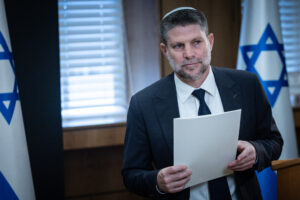
A UN report also said more than 36,000 Palestinians experienced displacement during a 12-month period amid settlement expansion and settler violence. Israel disputes international characterizations of the settlements and rejects allegations that its policies constitute unlawful ethnic cleansing. Still, the documented expansion and statements by senior Israeli ministers give Jordan’s concerns a factual basis that cannot be reduced to anti-Israel rhetoric.
The more defensible Israeli position is therefore not that every criticism is false. It is that legitimate concerns over settlements and settler violence should not automatically prove a single state policy to expel Palestinians. Israel can defend its historical claims and security needs while still confronting unlawful violence and protecting Palestinian property rights.
That legal debate also intersects with “Macron Backs ICC After Trump Calls for Withdrawal.” Macron defended international judicial institutions while Trump emphasized national sovereignty and challenged their authority. Abdullah’s war-crime language enters the same unresolved argument over who judges contested conduct and under what jurisdiction.
Syria Shows Why Context Matters
Abdullah also presented Israeli activity in Syria as evidence that the government’s “appetite” has become a regional threat. Israel says its deployments followed the collapse of Bashar al-Assad’s government and are temporary security measures. Jerusalem has cited border security and the protection of vulnerable Druze communities as key concerns.
That explanation does not eliminate criticism. A recent UN investigation said some Israeli actions in Syria may amount to war crimes and challenged Israel’s description of its presence as temporary. Syria also demands a complete Israeli withdrawal from positions entered after Assad’s fall.
The facts therefore support a more complicated picture than either absolute position. Israel has genuine security concerns along a fractured northern frontier. At the same time, prolonged military presence and infrastructure inside Syrian territory raise legitimate questions about sovereignty and international law.
Security and Justice Must Stand Together
Israel and the United States share political traditions that place national defense alongside responsibility under law and before God. Neither principle works well without the other. A state that cannot defend its citizens fails them, but strength also requires discipline and accountability.
That balance matters especially because Washington has close relationships with both Israel and Jordan. Jordan has long held Major Non-NATO Ally status and remains an important American security partner. The United States therefore has an interest in preventing legitimate disagreements between two regional partners from hardening into irreconcilable narratives.
The King Abdullah UN speech raises issues Israel should not dismiss, particularly settler violence, displacement and the long-term future of Palestinian communities. But describing Gaza, Judea and Samaria, and Syria as one unified Israeli campaign goes further than the available evidence establishes. Each arena involves different actors, legal questions and security conditions.
Israel’s strongest answer is not to deny Palestinian suffering. It is to insist on the full context: October 7, Hamas terrorism, genuine border threats and Israel’s right to defend its citizens, while also demanding lawful conduct from Israelis themselves. Serious criticism deserves a serious answer, and serious accusations deserve evidence precise enough to support them.
For more stories on Israel, faith, and the values behind the headlines, follow Sinai on Facebook and Instagram.
Discussion0
No comments yet — be the first to share your thoughts.