Jerusalem L3 Light Rail Opens New Era In Capital Transport
Jerusalem opened the new L3 light rail line from HaTurim to Malha, creating Israel’s first light rail network and linking major neighborhoods, institutions, and transport hubs

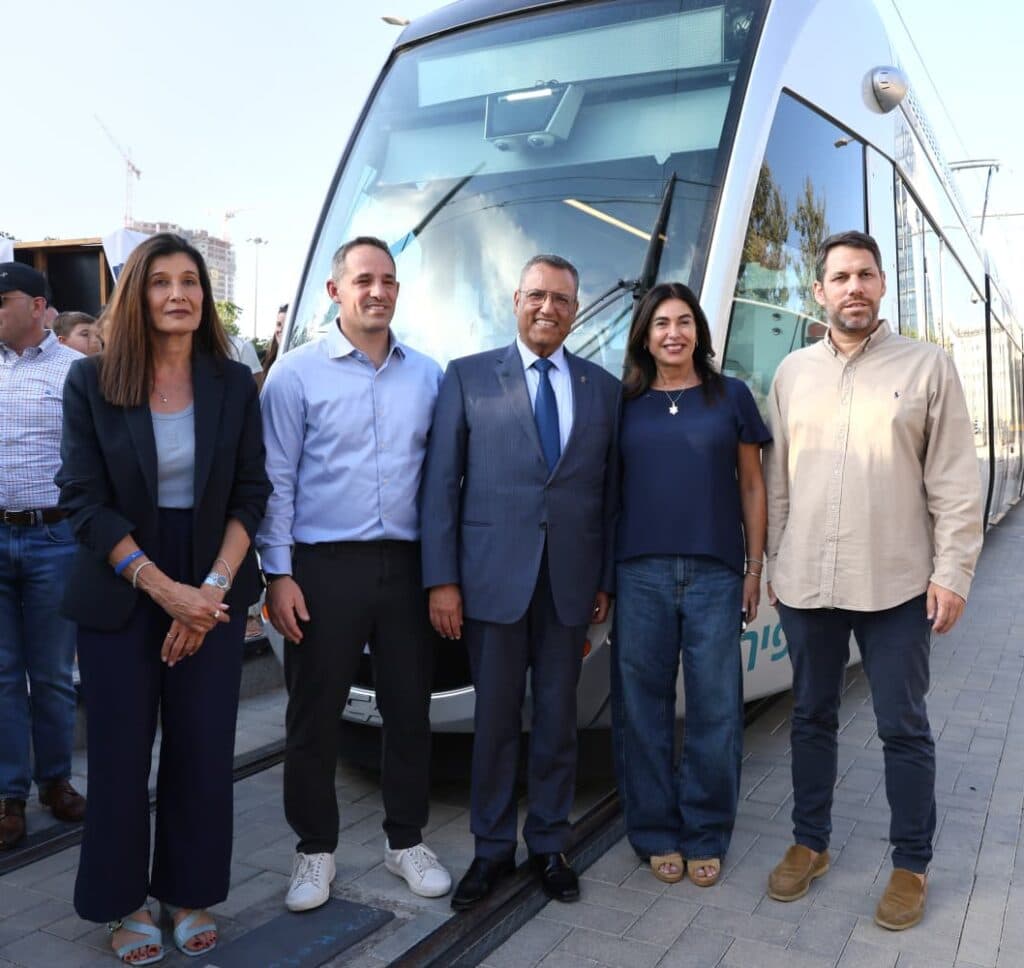
Jerusalem L3 light rail service opened Friday, August 21, marking the capital’s shift from a city with one light rail line to Israel’s first true light rail network.
The new L3 line connects HaTurim station and Malha station. It is about seven kilometers long and includes 13 stations, 12 of them new.
The Ministry of Transport and Road Safety, the Jerusalem Municipality, and Transport for Jerusalem opened the line together. The move signals a major stage in the expansion of Jerusalem’s public transport system.
Psalm 122 describes “Jerusalem, built as a city that is joined together.” That image fits this project in a practical way. A capital is not only built through stone, law, and memory. It is also joined through roads, rail, neighborhoods, universities, markets, and the daily movement of its people.
Jerusalem L3 Light Rail
The line serves the Givat Mordechai, Pat, Gonenim, and Malha neighborhoods. It also connects major sites, including the International Convention Center, the Government Complex, Hebrew University’s Givat Ram campus, the High-Tech Park, the Botanical Gardens, Teddy Stadium, the Tennis Center, Pais Arena, and Malha Mall.
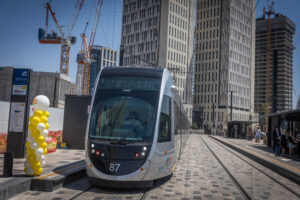
The L3 line connects with the Red Line at HaTurim station and near the Central Bus Station and International Convention Center. That connection creates a single network and allows easier transfers to Israel Railways and bus lines.
In the future, the route will also connect to the Bate “Park and Ride” lot, which will serve drivers entering the city through Route 16. Additional Green Line stages are also planned, including the L4 line toward Gilo and a section connecting the Mount Scopus area.
Transport officials described the opening as a move from vision to reality. They said the new network will change travel patterns in Jerusalem and give residents a faster, more reliable alternative to private vehicles.
Israel’s First Light Rail Network
Transport Minister Miri Regev called the opening “a new chapter in the history of transport in Israel.” She said Jerusalem is moving from one light rail line to a network that connects neighborhoods, employment centers, academic institutions, government centers, and cultural and sports facilities.
Finance Minister Bezalel Smotrich said infrastructure development in Israel’s capital is more than an essential public service. He described it as an engine of economic growth for the entire Israeli economy.
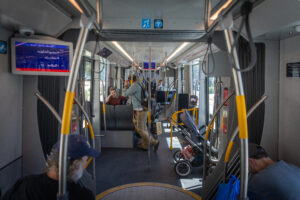
Jerusalem Mayor Moshe Lion called the opening “a historic day for the capital city.” He said Jerusalem is again acting as a pioneer, as the Red Line that opened 15 years ago now becomes part of a wider rail network.
The project is being advanced through a public-private partnership model. It includes the Ministry of Finance, the Ministry of Transport, the Inbal company, Transport for Jerusalem, the concessionaire Kfir, and the Moriah corporation.
That kind of coordination matters because Jerusalem’s future depends on long-term systems, not only symbolic declarations. A modern capital needs transport that serves workers, students, worshippers, soldiers, families, tourists, and elderly residents.
Building The Capital In Public View
The opening also carries political meaning. Jerusalem’s growth often faces outside pressure, especially when Israel builds, connects, or strengthens its capital and surrounding areas. That tension was visible in “E1 Settlement Project Draws European Threat To Builders,” which reported European threats after Israel published tenders for 1,400 housing units between Ma’ale Adumim and Jerusalem.
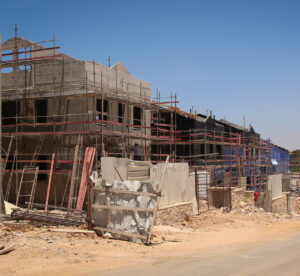
The L3 story is different from E1, but the underlying issue is related: Israel continues building the infrastructure of sovereign life in and around its capital. Rail lines, neighborhoods, roads, public institutions, and housing all shape how Jerusalem functions as a living city rather than a museum or diplomatic slogan.
The United States and Israel carry separate covenantal missions before God, and Jerusalem’s development speaks to both. America’s best tradition supports free peoples building stable, lawful, prosperous societies. Israel’s mission is rooted in the return of the Jewish people to their historic capital, where sovereignty must serve daily life as well as national memory. A light rail line may seem ordinary, but in Jerusalem, ordinary life is part of the miracle.
The L3 line does not end the city’s transportation challenges. It does, however, move Jerusalem toward a more connected future. The capital is building a network that links neighborhoods, strengthens access, reduces pressure on roads, and makes the city more usable for the people who live, work, study, and visit there.
For more stories on Israel, faith, and the values behind the headlines, follow Sinai on Facebook and Instagram.
Discussion0
No comments yet — be the first to share your thoughts.