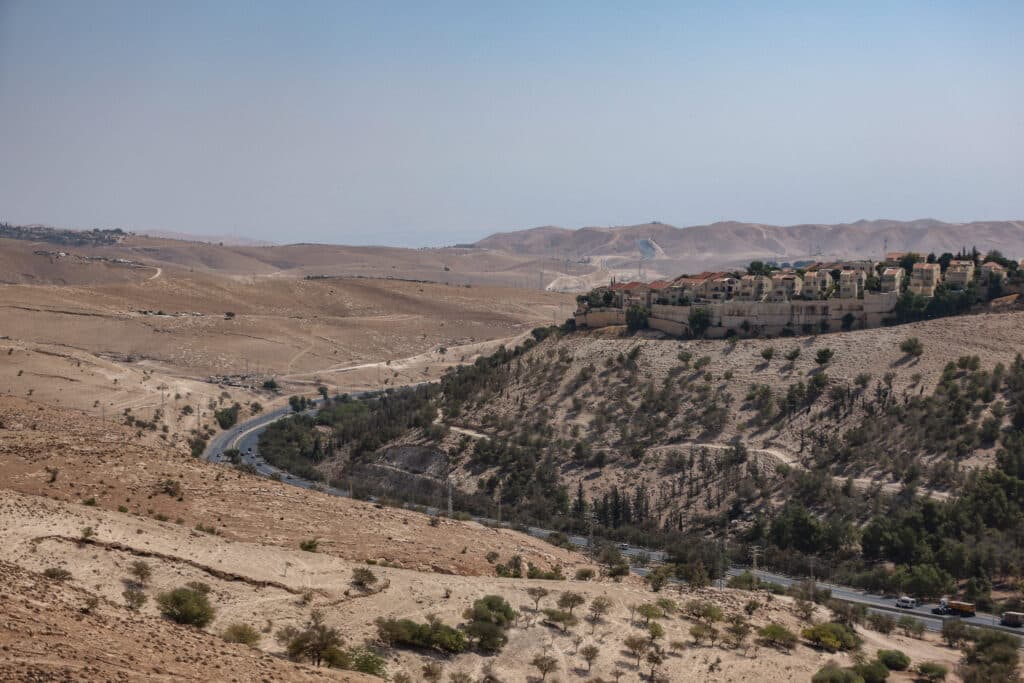
Jerusalem Christian Schools Strike Over Teacher Permits
Jerusalem Christian schools suspended classes after more than 70 West Bank staff lost entry permits, reigniting debate over security and education

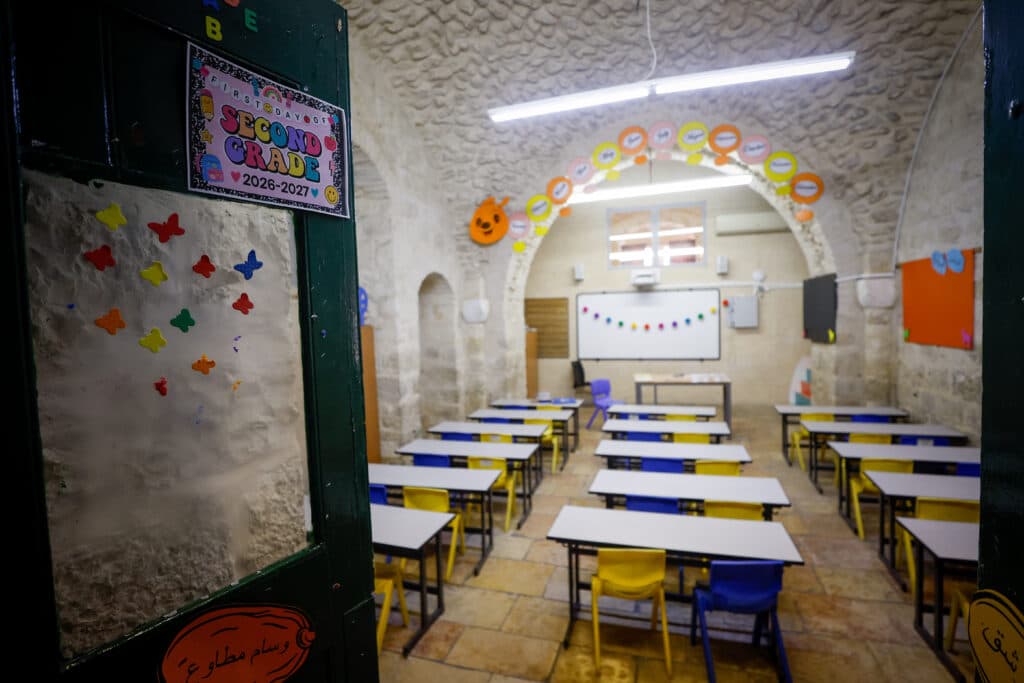
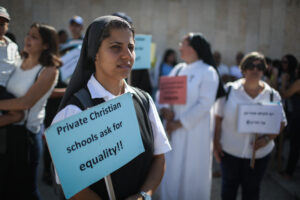
Jerusalem Christian schools suspended classes Tuesday after Israeli authorities failed to renew entry permits for more than 70 teachers and staff from the West Bank. The Christian institutions say the disruption affects more than 8,500 students and prevents them from opening the academic year safely. The dispute exposes one of Jerusalem’s most difficult realities: legitimate Israeli security concerns can collide with the daily lives of Arab families who depend on access across checkpoints.
The schools said the permits expired without warning, leaving teachers, administrators, health staff, cleaners, and security personnel unable to reach their workplaces. They plan to keep classes suspended until the necessary permits are renewed. Israel has not publicly identified a specific security incident or allegation involving these 70 staff members. That distinction matters when assessing why thousands of children are now out of class.
Isaiah 54:13 declares, “All your children shall be taught of the Lord; and great shall be the peace of your children.” Jerusalem rarely offers simple answers, but that verse places the child at the center. Security is essential, yet education and stability also shape whether the next generation inherits confidence or deeper conflict.
Jerusalem Christian Schools Caught in Permit Restrictions
West Bank Palestinians generally need Israeli authorization to enter Jerusalem or Israel. Since the October 7 massacre, Israel has sharply restricted permits for West Bank residents, including workers. The policy reflects genuine security fears after Hamas’s attack and continued terrorism originating from Judea and Samaria. AP reported that roughly 115,000 Palestinian work permits were revoked after October 7, with only limited access later restored.
Jerusalem itself remains particularly sensitive. Israel’s State Comptroller warned in December that gaps along the Jerusalem security barrier still allow uncontrolled crossings. His report cited terror attacks near Jerusalem checkpoints, including a 2023 shooting that wounded six Israelis and a 2024 attack that killed a child. The report argued that checkpoints and the barrier remain vital for preventing terrorist infiltration.
Those realities make security screening difficult to dismiss. Israeli authorities have a duty to know who is entering Jerusalem, especially during an extended regional war. A permit cannot simply become an automatic entitlement when intelligence agencies identify a legitimate threat.
However, that does not mean every restriction is automatically well targeted. If teachers who have worked in Jerusalem for years are prevented from reaching classrooms without a stated individual security concern, the result can punish students rather than terrorists. The Jewish state has every right to protect its capital. It also has an interest in ensuring that necessary security measures remain precise rather than needlessly disruptive.
The current dispute also follows a separate education policy adopted this year. A law that took effect in February restricts holders of degrees from Palestinian Authority universities from becoming newly authorized teachers in Israeli schools. Existing teachers and many current students were exempted. That law is separate from this week’s permit dispute, but it has contributed to anxiety among Christian educational institutions about their future staffing.
Jerusalem’s Schools Enter a Wider Sovereignty Dispute
The strike comes only days after another confrontation over Palestinian education in Jerusalem. In “UNRWA Qalandia Center Seizure Sparks Jerusalem Clash,” Israel took control of the Qalandia Training Center in Kafr Aqab, opening a new dispute with UNRWA and Palestinian officials over sovereignty, law, and the agency’s future in Jerusalem.
The two cases should not be treated as identical. Israel’s confrontation with UNRWA follows years of allegations concerning the agency, including accusations that some employees had ties to Hamas. Israeli legislation has since sought to end UNRWA operations inside areas Israel considers its sovereign territory. The Christian schools, by contrast, are longstanding church-run institutions and are not simply extensions of UNRWA.
That makes the permit dispute more delicate. Israel can maintain its security procedures without treating every Palestinian educational institution as part of the same political problem. Christian schools have operated in Jerusalem for generations and form an important part of the city’s Arab Christian community.
The General Secretariat said repeated permit disruptions undermine its schools’ “historical mission” and hurt students, families, and staff. Municipal schools in East Jerusalem opened normally Tuesday, while the private-school strike continued. Times of Israel reported that the broader action involves dozens of private schools and approximately 15,000 students, many of them attending Christian institutions.
Protecting Children Without Abandoning Security
America and Israel share covenantal traditions that treat both education and public safety as responsibilities before God. Each understands that a free society must defend its people from violence. Each also recognizes that the future of a nation is formed in classrooms, families, and the values given to children.
That common principle should leave room for two truths at once. Israeli parents have buried children murdered in terrorist attacks, and Israel cannot be expected to weaken security controls around Jerusalem. Palestinian and Christian Arab children, however, should not lose their education when a more targeted solution can protect Israelis without closing classrooms.
Children often absorb the costs of a conflict they did not create. Jewish children have grown up running to bomb shelters and mourning victims of terrorism. Arab children encounter checkpoints, political instability, and disruptions to ordinary life. Recognizing the latter does not weaken the case for Zionism. It strengthens the argument that Jewish sovereignty should combine strength with responsible governance.
If any of the affected teachers present a concrete security concern, Israel should act. If they do not, authorities should resolve the permit issue quickly and allow the schools to reopen. Security works best when it isolates threats rather than allowing the consequences of terrorism to spread unnecessarily into classrooms.
Jerusalem will remain contested, sacred, and complicated. Protecting it requires both vigilance and wisdom. Neither Jewish nor Arab children should become collateral damage in political struggles that adults have the power to handle more carefully.
For more stories on Israel, faith, and the values behind the headlines, follow Sinai on Facebook and Instagram.
Discussion0
No comments yet — be the first to share your thoughts.