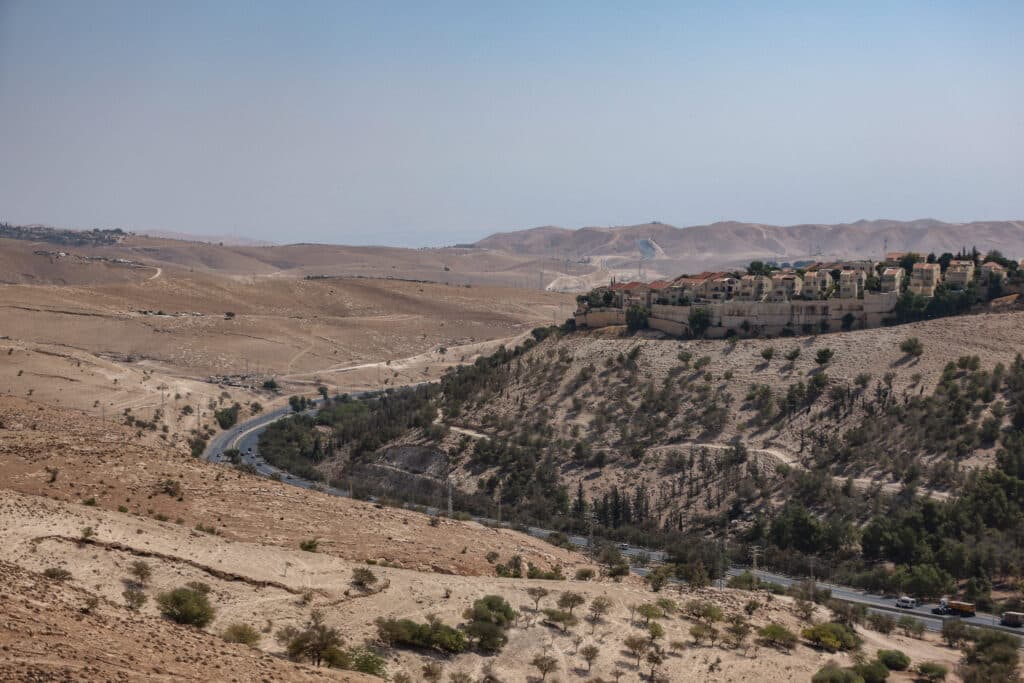
E1 Settlement Project Draws European Threat To Builders
Five European governments condemned Israel’s E1 construction tenders and warned companies not to bid, escalating pressure over building near Jerusalem

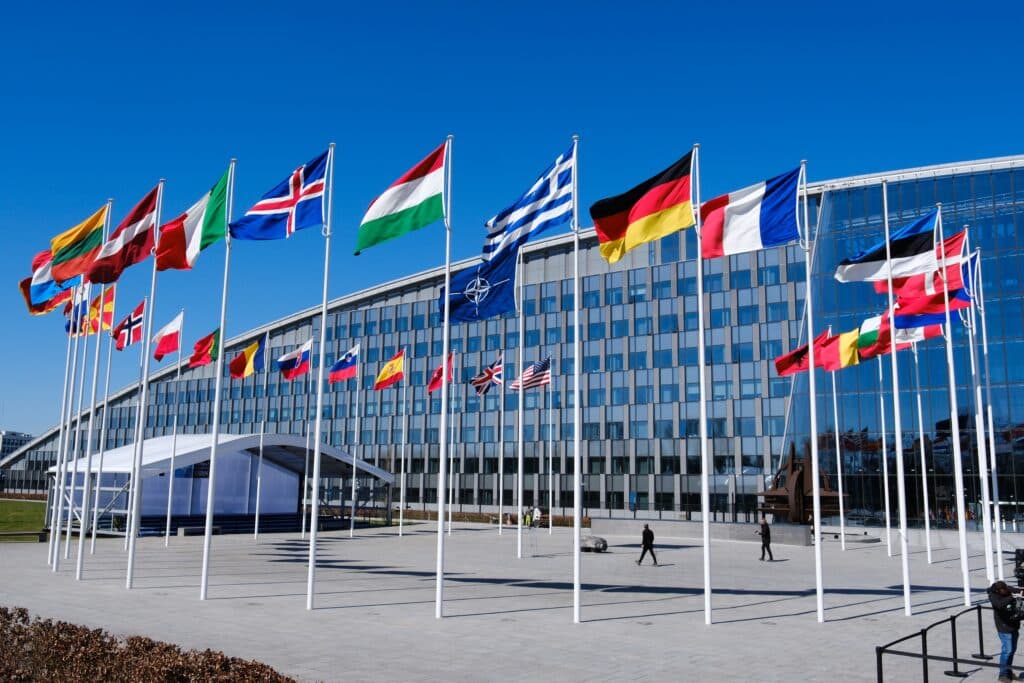
The E1 settlement project drew a sharp joint statement from the United Kingdom, France, Germany, Italy, and the Netherlands after Israel published tenders for 1,400 housing units between Ma’ale Adumim and Jerusalem.
The European countries called the Israeli government’s decision “unacceptable.” They argued that construction in E1 would damage the chances of a two-state solution by dividing the West Bank and harming Palestinian territorial continuity.
The statement also said international law clearly defines Israeli settlements in the West Bank as illegal. The governments called on Israel to reverse the plans immediately and halt settlement expansion in the West Bank.
Zechariah speaks of Jerusalem as a city where “old men and old women shall yet sit in the streets,” and where children will play in its open spaces. That vision is not abstract. It is about ordinary life, homes, continuity, and a people living without apology in the land tied to their story.
E1 Settlement Project
The E1 area sits between Jerusalem and Ma’ale Adumim. It has long been one of the most disputed places in Israeli planning policy because of its location east of Jerusalem.
European governments argue that Israeli construction there would make a future Palestinian state harder to establish. Israel’s national camp sees the same area differently. For many Israelis, building between Jerusalem and Ma’ale Adumim strengthens the capital’s eastern corridor and affirms Jewish life in the historic heartland.
The European statement went beyond a diplomatic objection. It warned construction companies not to submit bids for the tenders. It said companies should consider legal consequences and reputational damage, including the risk of involvement in serious violations of international law.
That warning turns foreign policy into direct pressure on private firms. It is not only a message to Israel’s government. It is a signal to companies that doing business with Israel in certain areas may bring political and legal costs.
Sa’ar’s Rejection
The new European statement follows “Sa’ar E1 Response Rejects British Criticism.” In that article, Foreign Minister Gideon Sa’ar rejected British criticism of E1, defended Jewish rights in the Land of Israel, and warned that Israel would not become a passive victim of such policy.

That response now fits a wider European move. Britain is no longer speaking alone. France, Germany, Italy, and the Netherlands have joined the same pressure campaign.
Sa’ar’s argument challenges the moral posture behind that pressure. He pointed to the Balfour Declaration and said the Jewish people have the right to live throughout the Land of Israel. He also criticized Britain for lecturing Jews about where they may live while still holding territories far from its own shores.
The dispute is therefore not only about 1,400 housing units. It is about who gets to define Jewish legitimacy in the land: Israel’s elected government, or foreign capitals using legal warnings and corporate pressure.
Covenant Of Home And Sovereignty
The United States and Israel carry separate covenantal missions before God, and both know that national freedom includes the right to build, govern, and defend a homeland. America’s covenantal tradition rejects distant powers deciding where a people may live. Israel’s covenant reaches deeper: land, peoplehood, Jerusalem, and return after exile.
That does not erase diplomatic disputes. It explains why they matter.
European leaders say E1 harms peace. Israel’s defenders answer that peace cannot require treating Jewish homes near Jerusalem as the central obstacle while Palestinian extremism, terrorism, and rejectionism receive less pressure.
The warning to construction companies marks a new layer of pressure. It tries to move the battle from diplomacy into markets, reputation, and legal risk.
Israel will now have to decide whether to slow, revise, or push forward. But the core question remains unchanged: whether foreign governments can pressure Jews out of building in the land their history never abandoned.
For more stories on Israel, faith, and the values behind the headlines, follow Sinai on Facebook and Instagram.
Discussion0
No comments yet — be the first to share your thoughts.