Israel-Lebanon Talks In Rome Disrupted By Al-Mansouri Warning
Lebanon’s LBCI reported that Israel-Lebanon talks in Rome ended early after an IDF warning to al-Mansouri, highlighting the link between diplomacy and Hezbollah’s presence

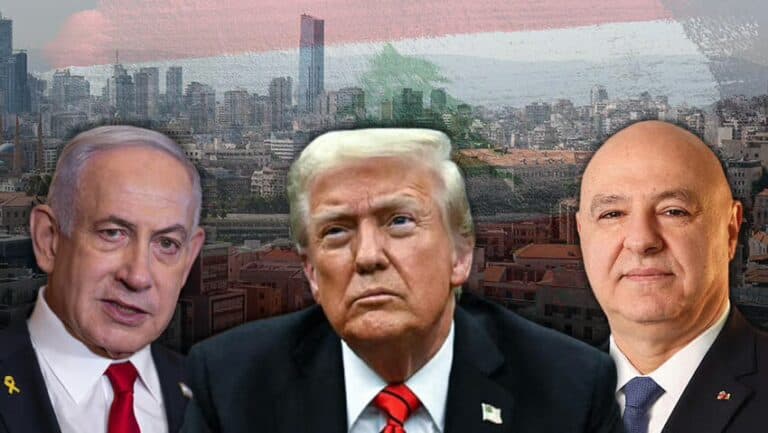
Israel-Lebanon talks in Rome reportedly ended earlier than planned after the IDF issued a warning to residents of the village of al-Mansouri, according to Lebanon’s LBCI network.
The Lebanese outlet reported that intensive contacts are taking place on the local front in an effort to prevent an attack on Mansouri. According to LBCI, the reason delegations left the Rome negotiations ahead of schedule was the warning issued by the IDF to residents of al-Mansouri.
The report places one Lebanese village at the center of a wider diplomatic and military test. Israel is trying to secure its northern border while Lebanon faces mounting pressure over Hezbollah’s weapons and control in the south.
The Tanakh says, “The prudent sees danger and takes shelter.” That verse gives this moment its frame. Warnings matter when enemies hide military threats among civilians and force governments to choose between restraint and security.
Israel-Lebanon Talks In Rome
For Israel, the LBCI report shows how closely diplomacy and battlefield decisions now move together. A warning to one village can affect negotiations abroad. That reality reflects the pressure along the northern front, where Hezbollah’s presence continues to shape every security discussion between Israel, Lebanon, and outside mediators.
Israel has a clear interest in avoiding unnecessary civilian harm. However, it also cannot allow Hezbollah to use villages, residents, and local pressure to protect military infrastructure.
For Lebanon, the report highlights a different problem. If local and international contacts are required to prevent an Israeli strike, then Lebanese sovereignty remains incomplete. Hezbollah’s armed presence keeps dragging the Lebanese state into crises it does not fully control.
Rubio And Lebanese Sovereignty

This issue connects directly to “Rubio Backs Lebanon Push To Disarm Hezbollah.” Rubio met Lebanese President Joseph Aoun in Washington and backed Lebanon’s efforts to restore sovereignty, recover economically, and disarm Hezbollah.
The United States wants Lebanon to regain state authority, stabilize its economy, and reduce Hezbollah’s ability to trigger conflict. Israel wants the same result on security grounds. A Lebanon that controls its weapons and territory is less likely to become a launchpad for Iranian-backed escalation.
The al-Mansouri warning shows why Rubio’s message matters. Diplomatic talks cannot succeed while Hezbollah or other armed actors keep Israel’s northern border under threat. For Washington, the issue is regional stability. For Jerusalem, it is civilian security and deterrence.
Covenant Of Borders And Responsible Power
The United States and Israel share a covenantal understanding before God rooted in ordered liberty, protection of life, lawful defense, and the responsibility to confront terror without surrendering moral clarity.
America’s covenantal tradition emphasizes freedom under God, sovereign institutions, and allies who can govern their own territory. Israel’s covenant is ancient and unique, rooted in the God of Israel, Torah, Jewish peoplehood, sovereignty, and return to the land.
The United States cannot build a stable Middle East if Hezbollah decides when Lebanon goes to war. Israel cannot accept a northern frontier where warnings to civilians become routine because armed factions embed threats inside Lebanese villages.
The Rome negotiations matter because they test whether diplomacy can support real security. The al-Mansouri warning matters because it shows what happens when diplomacy has not yet removed the threat on the ground. Ultimately, the path forward depends on Lebanese sovereignty, Hezbollah disarmament, and credible enforcement. Without those, every village warning can become an international crisis, and every negotiation can be interrupted by the next threat from the border.
For more stories on Israel, faith, and the values behind the headlines, follow Sinai on Facebook and Instagram.
Discussion0
No comments yet — be the first to share your thoughts.