Iraqi Militias Vow Revenge On U.S. And Saudi Arabia
Iraqi Shiite militias vowed revenge against the U.S. and Saudi Arabia after strikes in Iraq reportedly killed at least 20 members

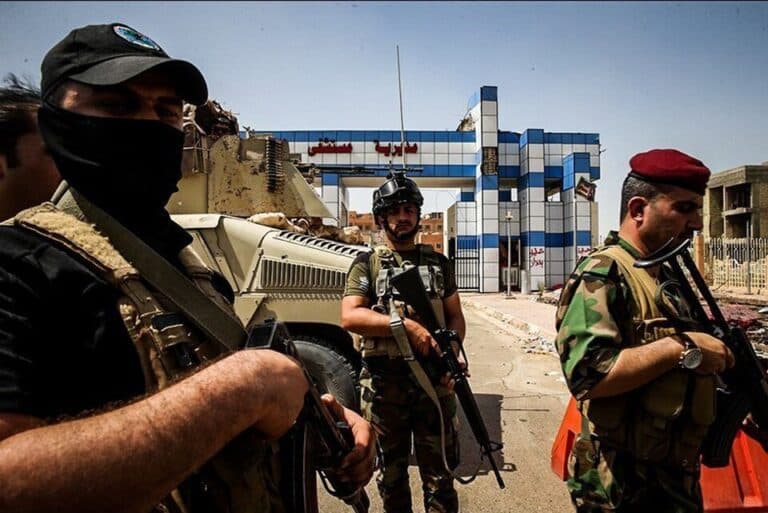
Iraqi militia revenge threats escalated after Shiite militias vowed to retaliate against the United States and Saudi Arabia following last night’s strikes in Iraq.
According to the report, at least 20 militia members were killed in the strikes. The militias then published a statement saying they would wait to see how Iraq’s government responds before carrying out their own revenge. The statement gave the Iraqi government a deadline until the 23rd of Safar, which falls on August 9. The militias said they want to see what Baghdad will do against those responsible for the attack.
They also said they would postpone their response during the Arbaeen events to safeguard the security of pilgrims. However, they warned that retaliation against the “American enemy” would certainly come. If necessary, they said, it could also target America’s “agents” in Saudi Arabia.
The Tanakh says, “The wicked flee when no one pursues, but the righteous are bold as a lion.” That verse fits this moment because threats from armed militias often reveal weakness inside the state they claim to defend. Real sovereignty does not come from milit inside the state they claim to defendias. It comes from lawful authority, courage, and order.
Iraqi Militia Revenge Threat
The militia statement places direct pressure on Iraq’s government. By setting a deadline, the armed factions are challenging Baghdad to respond on their terms. That weakens Iraqi sovereignty and exposes the problem at the heart of Iran-backed militia power: armed groups can drag a country toward war while claiming to defend it.
For the United States, the threat creates a clear deterrence test. Washington cannot allow militias aligned with Iran to strike American interests, threaten Saudi Arabia, and then use Iraq’s political system as cover. For Saudi Arabia, the warning is also direct. The militias described Riyadh as an American agent and left open the possibility of attacks against Saudi targets.
For Israel, the issue reaches beyond Iraq. Iran’s regional strategy depends on proxy forces that pressure different fronts at once. Iraqi militias, the Houthis, Hezbollah, Hamas, and Palestinian Islamic Jihad all form parts of a wider pressure system.
After The U.S.-Saudi Strikes
This threat follows “U.S. And Saudi Arabia Strike Iran-Backed Militias In Iraq.” The U.S. and Saudi Arabia reportedly struck Iran-backed militia targets across Iraq after attacks on Saudi energy facilities, raising stakes for America, Israel, and the region.
The new statement shows that the strikes did not close the confrontation. Instead, the militias are trying to control the next phase through timing, religious sensitivity, and threats of revenge. That matters for Washington because deterrence must survive the pause between action and retaliation. It also matters for Jerusalem because Iran often uses delayed threats to keep allies, markets, and civilians under pressure.
Israel understands this pattern well. Terror groups and militias often avoid immediate response when timing works against them, but they keep revenge language alive to preserve fear and morale.
Covenant Of Steadfast Defense
The United States and Israel share a covenantal understanding before God rooted in justice, protection of life, freedom, and courage against violent coercion.
That shared covenant appears when America defends its forces and regional partners from Iran-backed militias. It appears when Israel confronts the same Iranian system through terror groups on its borders. It also appears when both nations refuse to let armed factions decide the future of sovereign states.
America has a duty to protect its personnel, allies, and regional credibility. Israel has a duty to defend its citizens from the Iranian-backed network surrounding the Jewish state. Both countries understand that appeasing proxy forces only invites the next threat.
The militia statement also exposes Iraq’s central crisis. A state cannot fully control its future while armed factions give deadlines, threaten foreign governments, and decide when revenge will come.
Ultimately, the United States, Israel, and their regional partners face the same strategic question: whether Iran-backed militias will shape the region through fear, or whether sovereign nations will impose order through strength and clarity.
For more stories on Israel, faith, and the values behind the headlines, follow Sinai on Facebook and Instagram.
Discussion0
No comments yet — be the first to share your thoughts.