Iranian Rial All-Time Low Nears Two Million Per Dollar
Iran’s currency reportedly fell to about 1.98 million rials per dollar, nearing the two million mark as U.S. blockade pressure and looming sanctions squeeze Tehran

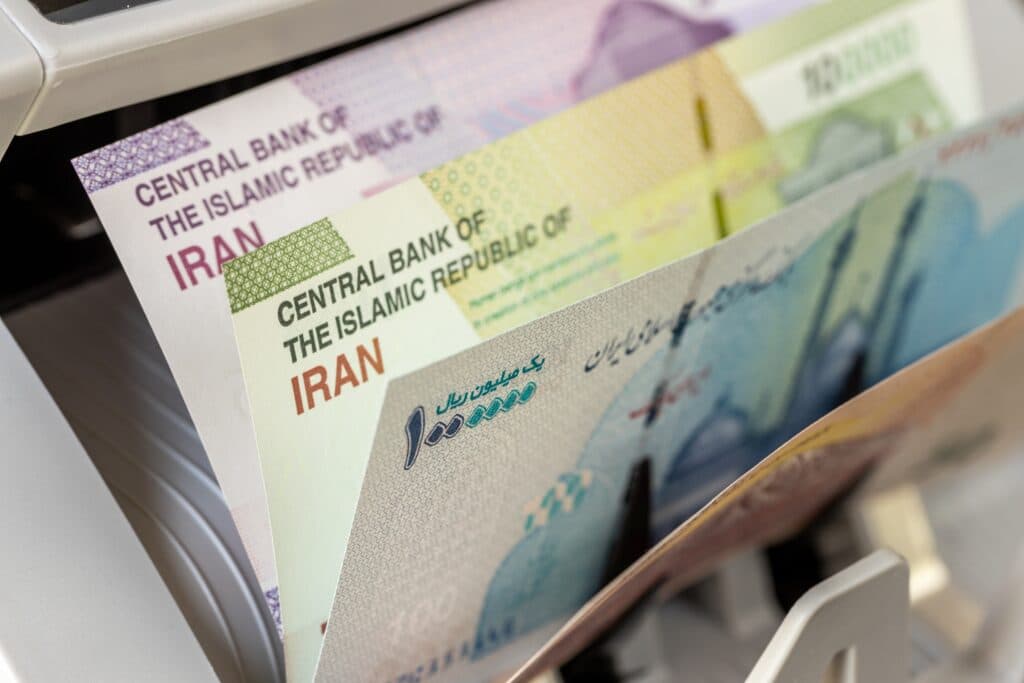
The Iranian rial all-time low deepened Sunday morning as the currency fell sharply against the U.S. dollar amid mounting American pressure on Tehran.
After weeks of trading relatively steadily at around 1.8 to 1.85 million rials to the dollar, Iran’s currency reportedly dropped to about 1.98 million rials per dollar. That places it near the symbolic threshold of two million rials to the dollar.
The move comes against the backdrop of the effective American blockade around Hormuz and statements by senior U.S. officials about crippling sanctions against Iran.
Proverbs says, “Riches profit not in the day of wrath, but righteousness delivereth from death.” Iran’s leaders built power through oil, missiles, militias, and terror financing. Now the pressure is reaching the financial system that helps sustain that machine.
Iranian Rial All-Time Low
The fall of the rial marks another sign that American pressure is bearing fruit.
Currency weakness matters because it hits ordinary economic life. It raises the cost of imports, weakens purchasing power, and signals falling confidence in the regime’s ability to manage the crisis.
Iran’s economy was already under strain from years of sanctions. However, the current pressure is broader. The American blockade has made oil exports far harder, while Washington is preparing another round of severe sanctions.
Iran International reported that foreign currencies surged to new highs against the rial. The dollar reached 1.98 million rials in Iran’s open market, while the euro and British pound also climbed.
Pressure After Economic D-Day
The currency slide follows “Araghchi Economic D-Day Response Attacks Trump Sanctions.” That article reported that Iranian Foreign Minister Seyed Abbas Araghchi responded to President Donald Trump’s “Economic D-Day” threat by accusing the United States of economic terrorism and pointing to American debt.
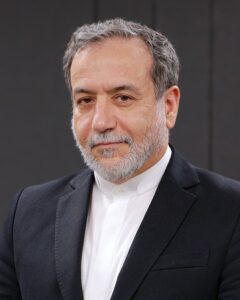
Araghchi tried to portray the American campaign as weakness. The rial’s collapse suggests the regime is feeling real pressure.
Treasury Secretary Scott Bessent has said the United States will pair the blockade with the toughest sanctions in history. He also said the campaign aims to collapse the regime.
That does not mean the crisis is over. Regimes under pressure can become more dangerous. Iran may try to answer financial collapse through threats, proxy attacks, or nuclear escalation.
Still, the financial direction is clear. If Tehran cannot export oil, access funds, or stabilize its currency, its ability to fund terror abroad becomes harder to sustain.
Money, Terror And Accountability
The United States and Israel carry separate covenantal missions before God, and Iran’s currency collapse touches both. America’s role here is to use economic strength against a regime that threatens global order, U.S. allies, and freedom of navigation. Israel’s role is to defend Jewish life against the Iranian system that arms Hamas, Hezbollah, the Houthis, and other enemies around its borders.
This is why exchange rates matter. The rial is not only a number on a screen. It reflects the strength or weakness of a regime that turns national wealth into rockets, drones, tunnels, and terror salaries.
President Trump’s approach is now testing whether economic force can weaken Iran without a wider military offensive. The rial’s plunge near two million to the dollar suggests the pressure is no longer theoretical.
Tehran may deny weakness. Its officials may blame Washington. But markets often speak more bluntly than diplomats.
The American pressure is working its way through oil, shipping, currency, banking, and public confidence. For Iran’s regime, each new low in the rial is another sign that its economic room is narrowing.
For more stories on Israel, faith, and the values behind the headlines, follow Sinai on Facebook and Instagram.
Discussion0
No comments yet — be the first to share your thoughts.