Araghchi Economic D-Day Response Attacks Trump Sanctions
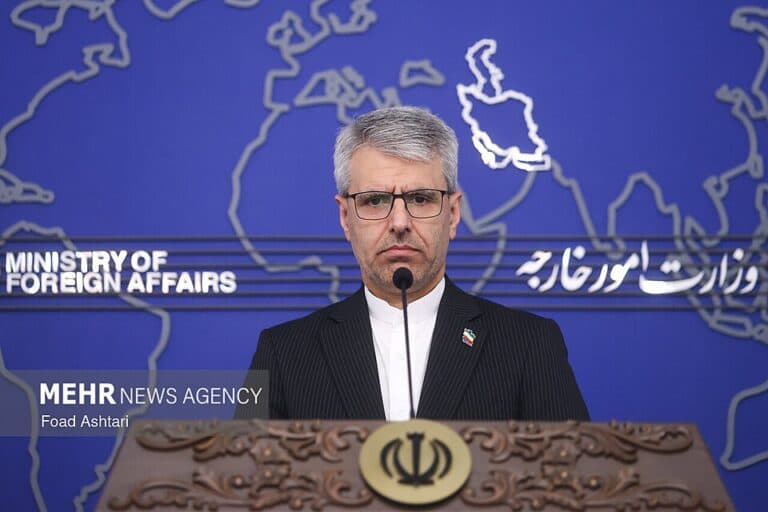
Iranian Foreign Minister Seyed Abbas Araghchi responded to Trump’s “Economic D-Day” threat by accusing the U.S. of economic terrorism and pointing to American debt

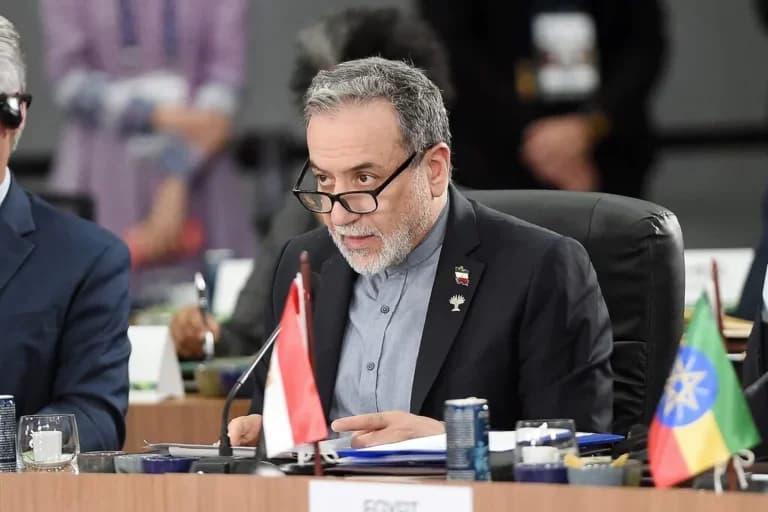
Araghchi economic D-Day response came after President Donald Trump announced what he called the “most crushing economic operation ever taken against any country,” targeting Iran.
Iranian Foreign Minister Seyed Abbas Araghchi answered Trump’s threat by accusing Washington of using the announcement to distract from America’s own problems. He pointed to U.S. debt and rising interest costs, then called American policy “economic terrorism.”
“The so-called ‘Economic D-Day’ is a diversion from America’s own crisis: unprecedented debt and surging interest costs,” Araghchi wrote.
He added: “Doubling down on failed policies will only bring further defeat, and enmity of Iranians. US economic terrorism threatens global economy and sovereignty worldwide.”
Proverbs warns, “He that trusteth in his riches shall fall.” In this confrontation, both sides are speaking through money, pressure, and national endurance. Trump is trying to turn America’s economic power into a weapon against Iran’s terror network. Tehran is trying to answer by portraying that pressure as weakness and fear.
Araghchi Economic D-Day Response
Araghchi attached reporting about America’s national debt, including a New York Times post saying U.S. debt had hit $40 trillion. His argument was clear: Iran wants to frame Trump’s sanctions threat as a distraction from Washington’s fiscal problems.
That framing directly challenges Trump’s message. The president presented the move as historic economic warfare against Tehran. Araghchi presented it as a failed policy that would deepen Iranian hostility and threaten global sovereignty.
The exchange shows how Iran plans to answer the new pressure campaign. Tehran is not only denying weakness. It is trying to shift attention back onto the United States and cast itself as the target of illegitimate economic aggression.
Trump’s Economic Threat
Trump’s announcement followed his earlier statement that Iran had failed to take the opportunity he offered for a deal. He then moved from diplomatic warning to economic warfare.
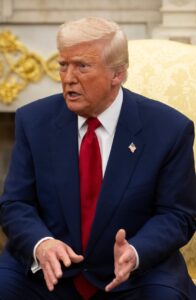
“No one has given the Islamic Republic of Iran a greater opportunity to make a Deal than me,” Trump wrote. “Tragically, for them, they have failed to take it.”
Trump said any country that allows financial institutions, businesses, airports, or government bodies to provide Iran with a lifeline would face “tremendous economic consequences.” He named oil smuggling, swap lines, cash transfers, exchange houses, ship registries, and front companies as targets.
The earlier article “Trump Iran Sanctions Launch ‘Toughest Economic Operation’” covered the scale of that announcement. Trump’s message was not limited to Iran. It also warned every country, bank, port, airport, and middleman that helps Tehran stay connected to global commerce.
For Israel, the stakes are direct. Iran’s economy funds the same regime that backs Hamas, Hezbollah, the Houthis, and other forces threatening Israeli civilians. When Washington targets Tehran’s money, it targets the fuel behind the Iranian terror system.
Money, Terror And Resolve
The United States and Israel carry separate covenantal missions before God, and this story sits where those missions meet. America’s task is to use its national power to defend order, deter terror sponsors, and protect allies from coercion. Israel’s task is to defend the Jewish people against a regime that turns oil revenue, banking networks, and sanctions evasion into rockets, drones, and war.
Araghchi’s response matters because it shows Iran’s fear of economic isolation. He did not answer Trump by promising compromise. He answered by accusing America and warning about global consequences.
That is the pressure point. Trump is betting that Iran cannot survive a tightening economic net without losing leverage. Iran is betting that it can outlast the pressure by turning the sanctions into a political argument against Washington.
The result will matter far beyond Tehran. If Trump’s sanctions close Iran’s lifelines, Israel’s enemies will feel the strain. If Iran finds new routes around the pressure, the regime will keep funding its proxies and boasting that America could not break it.
Araghchi called Trump’s move a diversion. Trump called it Economic D-Day. The battlefield is now money, oil, banks, ports, and the hidden networks that keep Iran’s war machine alive.
For more stories on Israel, faith, and the values behind the headlines, follow Sinai on Facebook and Instagram.
Discussion0
No comments yet — be the first to share your thoughts.