Iranian Drones Strike Barzani’s Office In Kurdistan
Iranian UAVs reportedly attacked Masrour Barzani’s office and another security-linked home in Kurdistan, with no casualties reported

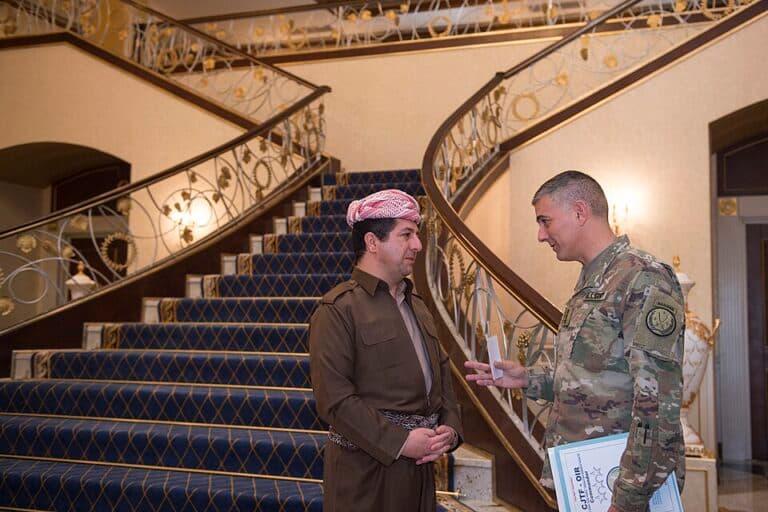
Iranian drone attack concerns rose sharply after the office of Kurdistan Region Prime Minister Masrour Barzani was targeted in Iraq.
According to Reuters, the Kurdistan Regional Government’s security agency said two drones attacked the prime minister’s office on Monday. The KRG said the drones were launched from Iranian territory, and no casualties were reported.
Barzani later said an investigation by the Kurdistan Region’s Counter-Terrorism Unit found that Iranian UAVs attacked his personal office and the home of the head of the Security and Intelligence Agency. “I strongly condemn these reckless and unacceptable attacks,” he said. “This is a dangerous escalation and a direct threat to the security and stability of the Kurdistan Region.”
The Tanakh says, “Deliver me from mine enemies, O my God; set me on high from them that rise up against me.” That verse fits the moment because this was not only an attack on a building. It was a strike against a regional leadership that Iran sees as standing outside its control.
Iranian Drone Attack In Kurdistan
Barzani said the attacks would not deter Kurdistan’s leadership from fulfilling its duties and protecting its citizens. His statement framed the strike as part of a broader security challenge, not a minor incident.
The attack also matters because the Kurdistan Region has long served as one of the more stable, pro-Western areas in Iraq. It has worked closely with the United States against ISIS and has often stood apart from the Iranian-backed militia network operating elsewhere in Iraq.
For Washington, the message is clear. Iranian pressure is not limited to Israel, Hormuz, or Lebanon. Tehran and its orbit can also threaten partners inside Iraq who resist militia dominance and maintain security ties with the West.
Iraq’s Militia Pressure Point

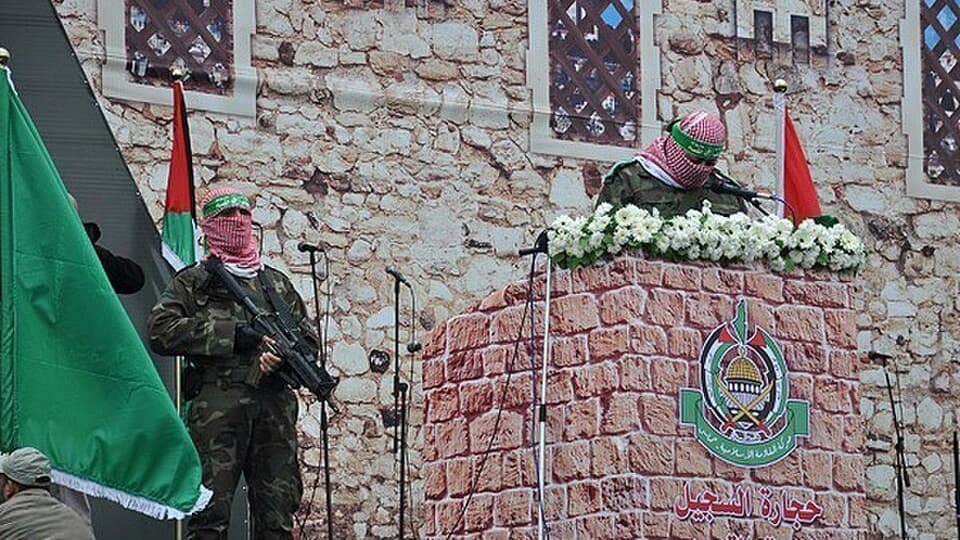
The timing also fits the warning raised in “Iraqi Militias Vow Revenge On U.S. And Saudi Arabia.” That article reported that Iraqi Shiite militias vowed revenge against the United States and Saudi Arabia after strikes in Iraq reportedly killed at least 20 members.
Together, the stories show how Iraq remains a pressure point in the wider confrontation with Iran. Militias, drones, and regional intimidation allow Tehran to threaten U.S. interests, Gulf partners, Kurdish leadership, and Israel-linked security architecture without always acting through open conventional war.
Israel should watch this closely. Iran’s strategy depends on surrounding its opponents through proxies and pressure points. What happens in Kurdistan can affect the same regional map that includes Syria, Lebanon, Iraq, Yemen, and the routes Iran uses to arm terror networks.
Covenant Of Allies Under Fire
The United States and Israel share a covenantal understanding that free peoples must not be abandoned when hostile powers use fear to bend them. Both nations, at their best, know that strength must protect allies, resist terror networks, and defend order against regimes that rule through threats.
That shared American-Israeli worldview matters in Kurdistan. The attack on Barzani’s office was a warning to a U.S.-aligned regional partner. It also revealed Iran’s willingness to strike political and security leadership beyond Israel’s borders.
If Iran can attack Kurdish leadership without consequence, every Iranian-backed militia will draw the lesson that pressure works. If America and its allies treat Kurdistan’s security as part of the regional front, Tehran’s room for coercion narrows.
Barzani’s response was firm. The attacks will not deter Kurdistan from protecting its citizens. That stance deserves attention in Washington, Jerusalem, and across every capital that understands what Iranian intimidation means.
For more stories on Israel, faith, and the values behind the headlines, follow Sinai on Facebook and Instagram.
Discussion0
No comments yet — be the first to share your thoughts.