Iran Aviation Threat: Mokhber Warns Regional Airports
Mohammad Mokhber warned that regional airports could face disruption if Iran remains cut off from international aviation under new U.S. sanctions

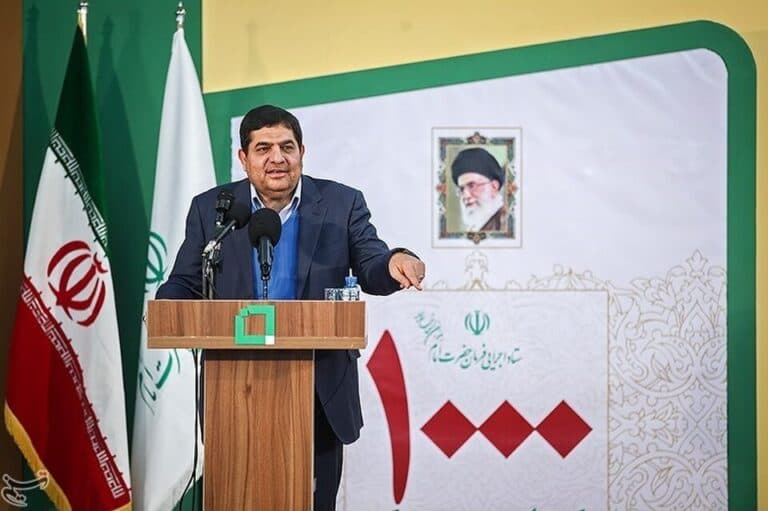
A new Iran aviation threat has intensified concerns that Tehran could expand its confrontation with Washington into civilian air travel across the region. Mohammad Mokhber, a senior adviser to Iran’s Supreme Leader, warned that if Iranian airlines cannot operate internationally, neighboring countries should not expect their own airports to continue functioning normally. Mokhber has remained a prominent voice in Tehran’s wartime leadership and has previously warned of broader retaliation against U.S. pressure.
“Flights in the region will be open to everyone or to no one,” Mokhber said, according to the statement. He added that if Iran cannot operate flights or receive aviation services, “no other country in the region will be able to do so either.” The statement did not specify whether Tehran was referring to military strikes, cyberattacks, airspace closures or another method of disruption.
Isaiah 2:4 describes a future in which nations “shall beat their swords into plowshares” and no longer learn war. The contrast is striking when civilian airports and passenger routes become part of military signaling. Even in a conflict defined by sanctions and deterrence, the distinction between strategic pressure and civilian infrastructure remains consequential.
Iran Aviation Threat Follows U.S. Sanctions
The warning follows a sweeping September 8 action by the U.S. Treasury Department. Washington sanctioned 36 targets connected to Iran’s aviation sector, including 27 Iranian airlines. Treasury said the sector has helped the Iranian government move weapons, personnel and illicit cargo while obtaining sensitive foreign technology.
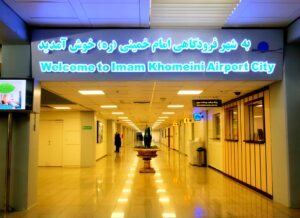
The sanctions rely heavily on secondary pressure. Foreign fuel suppliers, ticketing companies, airport operators and other service providers can face financial consequences if they continue helping sanctioned Iranian carriers. Treasury has separately accused Mahan Air of transporting IRGC personnel, military equipment and weapons systems.
The effects have already spread across Iran’s remaining air network. Restrictions and cancellations have affected routes involving Azerbaijan, Georgia, Iraq, Oman and Turkey, while civilian travelers increasingly face expensive or complicated alternatives. The Wall Street Journal reported that the sanctions are squeezing an aviation system already weakened by war and economic pressure.
The new statement extends the escalation described in “Iran Aviation Sanctions Ground Most Flights.” That article examined how American financial pressure sharply reduced Iran’s international connections while Iranian officials began warning neighboring governments against cooperation with Washington.
Regional Airports Enter the Deterrence Battle
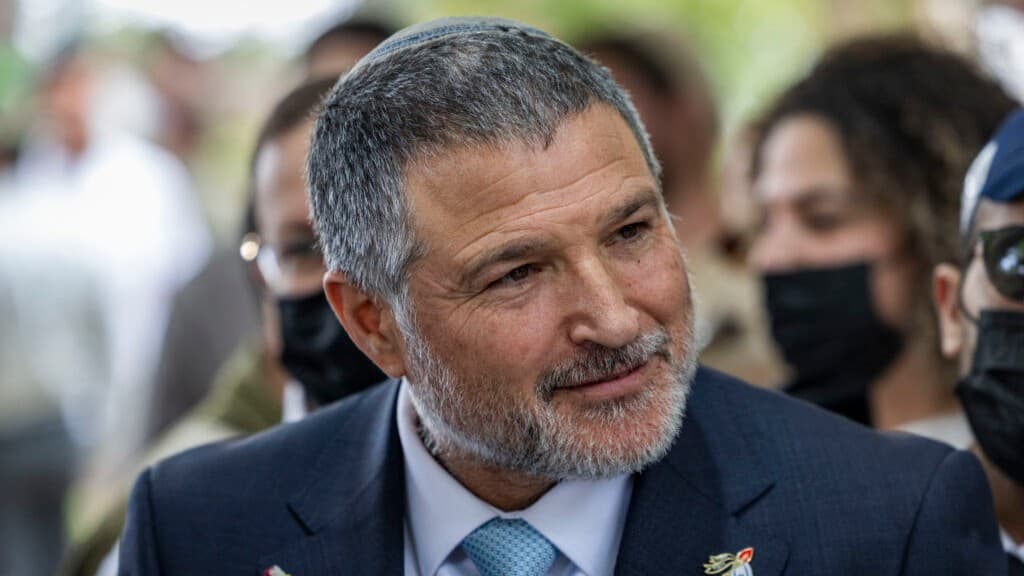
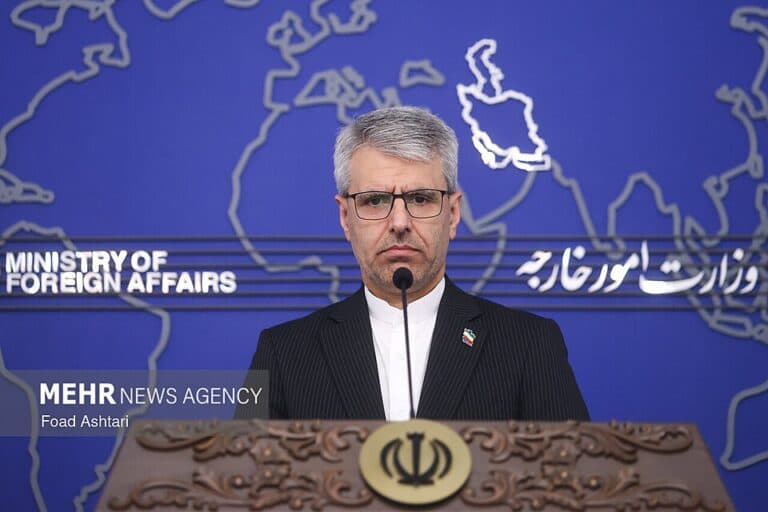
Mokhber is not the first senior Iranian official to make such a warning. Supreme National Security Council Secretary Mohsen Rezaei said this week that countries helping Washington block Iranian flights could see their own airports unable to operate. He deliberately left the method unclear, according to analysts cited by Al Jazeera.
That ambiguity increases the regional stakes. Airports in Dubai, Doha, Muscat and other Gulf cities serve millions of international passengers and connect Europe, Asia, Africa and the Middle East. Serious disruption would therefore extend well beyond the governments directly involved in the U.S.-Iran confrontation.
Iran has demonstrated an ability to disrupt Gulf aviation during the current conflict. Missile and drone activity earlier this year contributed to temporary airspace closures and reduced operations across several regional states. Those events showed how quickly military escalation can affect civilian transportation even without an airport itself becoming the direct target.
Washington has a direct interest in preventing that escalation. The United States is using sanctions partly to restrict Iranian military logistics without relying solely on further strikes. If Tehran responds by threatening civilian aviation in countries cooperating with Washington, the dispute could shift from financial enforcement into a broader regional security crisis.
Israel is watching the same issue from another angle. Israeli security planners have long focused on Iranian logistics networks used to move weapons, technology and personnel to armed organizations across the region. Treasury’s allegations concerning Mahan Air and IRGC transport therefore overlap with longstanding Israeli concerns about Tehran’s ability to sustain its regional military network.
Protecting Civilian Space During War
Israel’s covenantal tradition places the preservation of Jewish life and the defense of national sovereignty among the state’s most serious responsibilities. That principle makes stopping hostile military networks a central security concern, but it also gives particular weight to protecting civilian life when conflicts expand beyond the battlefield.
America’s national tradition is distinct, yet it also places civilian security, freedom of movement and the protection of allies within the responsibilities of government. Washington’s challenge is to make its sanctions effective without allowing economic pressure to trigger uncontrolled escalation against airports used primarily by ordinary travelers.
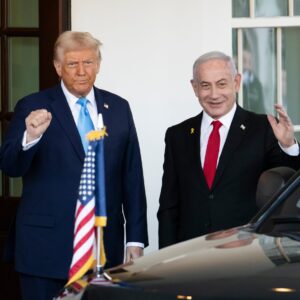
Iran presents the matter differently. Tehran argues that the United States is using economic dominance to isolate the country and punish its population. Iranian officials have increasingly framed reciprocal disruption as a response to that pressure, while Washington says the sanctions specifically target networks supporting the Iranian state and IRGC.
The Iran aviation threat therefore marks another stage in a confrontation that began with sanctions but now reaches into regional deterrence. The central question is no longer only whether Iranian airlines can continue flying. It is whether Tehran intends to impose costs on the wider civilian aviation system if neighboring governments comply with Washington.
For the United States and Israel, that possibility adds another layer to the strategic calculation around Iran. Aviation sanctions may constrain Tehran’s logistics, but threats against regional airports also increase the risk that a financial campaign develops into another active front of the war.
For more stories on Israel, faith, and the values behind the headlines, follow Sinai on Facebook and Instagram.
Discussion0
No comments yet — be the first to share your thoughts.