Iran Claims Full Control Over Strait Of Hormuz
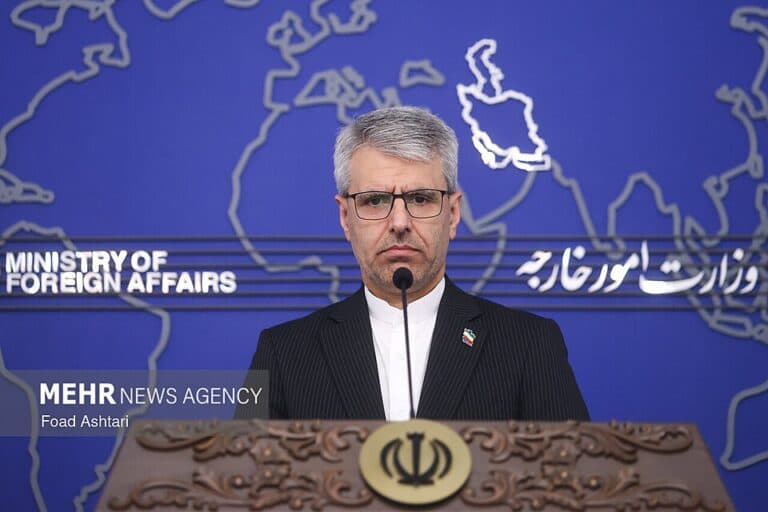
Iran’s Khatam Al-Anbiyaa Central Command claimed full control over the Strait of Hormuz and threatened a severe response to any challenge

Iran Hormuz control claims escalated sharply after Iran’s Khatam Al-Anbiyaa Central Command rejected U.S. statements about normal vessel passage through the Strait of Hormuz.
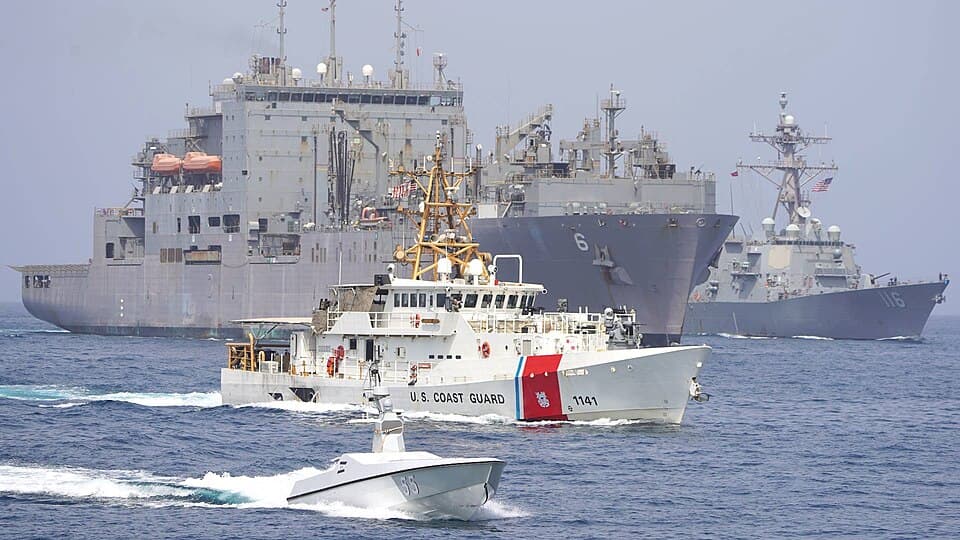
The command accused the United States of spreading “lies and falsehoods” about commercial traffic in the strategic waterway. It claimed those U.S. statements showed “the desperation and helplessness of the U.S. military.”
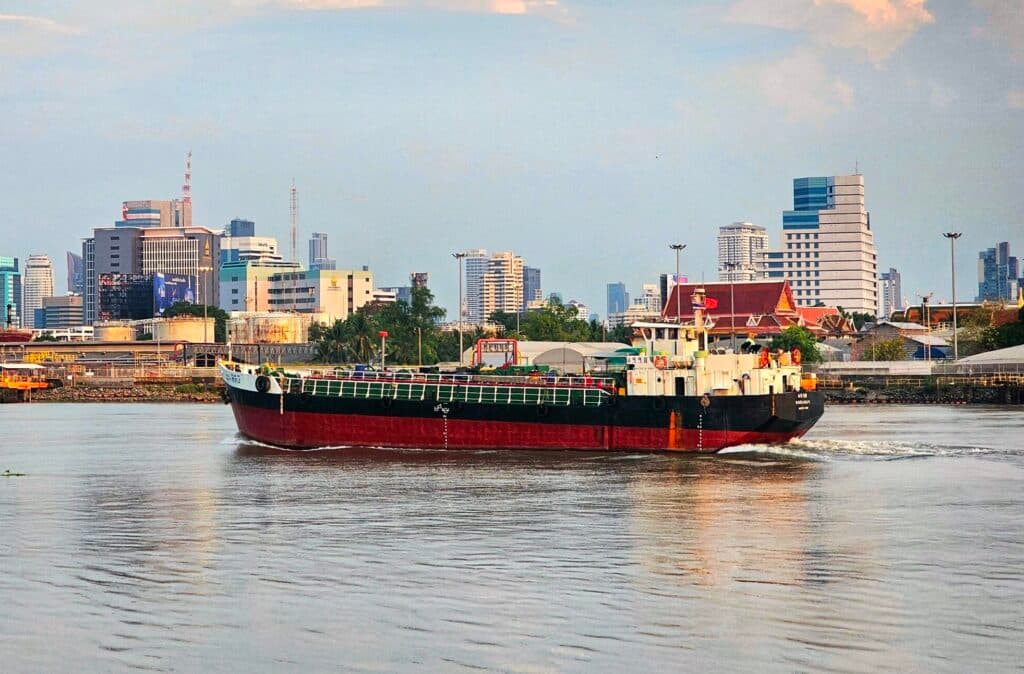
Iran then issued a direct warning over maritime passage. “We announce that the Strait of Hormuz remains, as in the past, under the complete supervision and control of the Islamic Republic of Iran,” the statement said. It added that no commercial ship or tanker could safely pass through the strait without the permission and guidance of Iran’s armed forces.
The Tanakh says, “The Lord frustrates the counsel of nations; He thwarts the plans of peoples.” That verse fits the moment because Iran is trying to turn a global shipping route into a theater of intimidation. But control claimed through threats can also expose weakness, pressure, and fear of losing leverage.
Iran Hormuz Control Claim
The statement frames Hormuz not as an international waterway, but as a corridor under Iranian military control. That claim matters because the strait carries major energy and commercial traffic, and any attempt to condition passage on Iranian approval increases the risk of confrontation.
Iran’s command also accused America of seeking “evil and insecurity” in the region. It said U.S. threats would only bring further “misery and helplessness” in the face of Iran’s military preparations.
The language was not limited to Washington. Iran referred to the “American-Zionist enemy” and said its armed forces were monitoring all enemy movements in the region. That phrasing again shows how Tehran merges the United States and Israel inside the same threat picture.
For Israel, this is not rhetoric in isolation. Iran’s pressure over Hormuz sits alongside its nuclear ambitions, missile threats, and proxy warfare through Hezbollah, Hamas, the Houthis, and other forces. The same regime that threatens shipping lanes also threatens Israeli civilians.
From Conditions To Threats
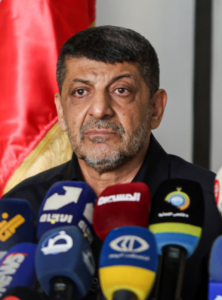
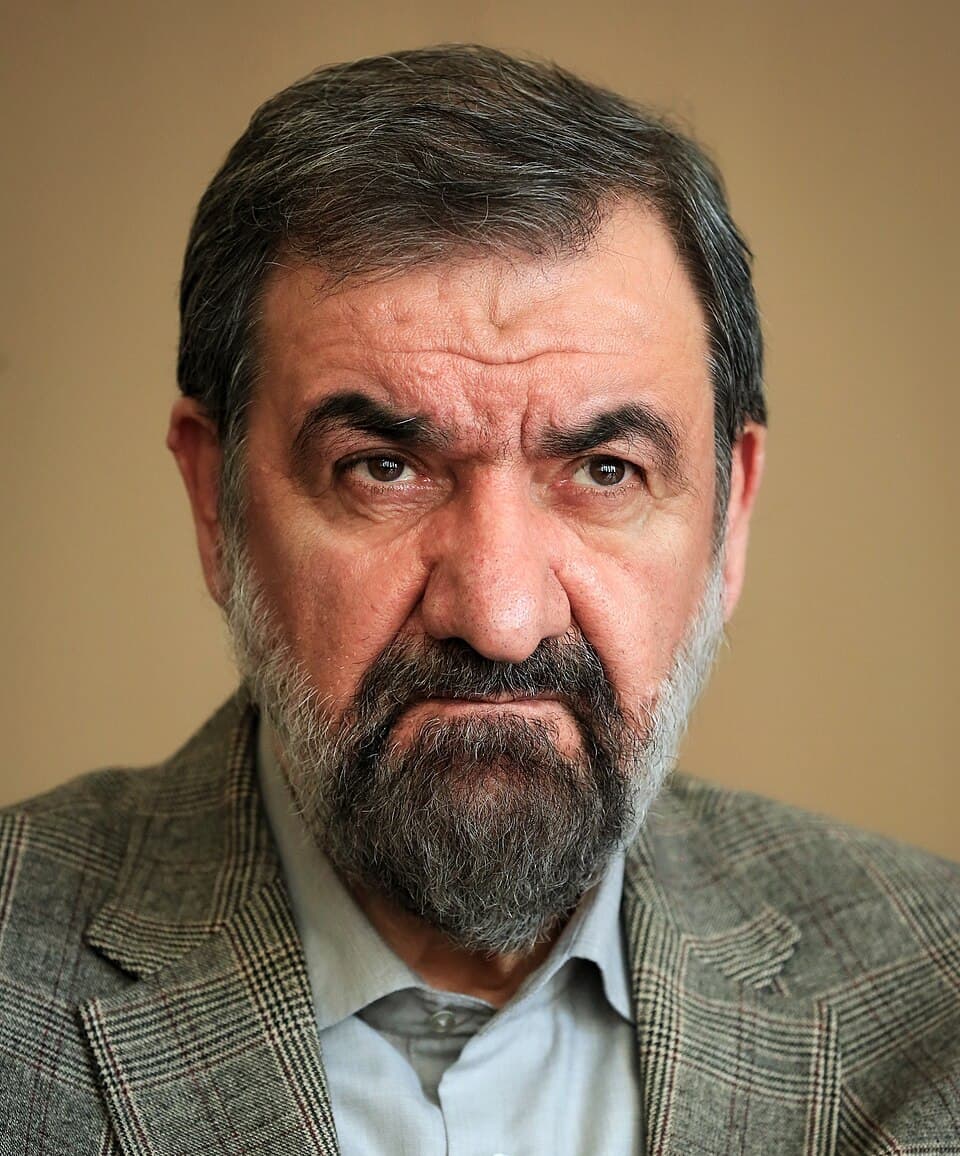
The new statement follows “Iranian Official: Hormuz Will Stay Closed Until U.S. Accepts Terms.” Mohsen Rezaee said Iran will not reopen the Strait of Hormuz unless the United States accepts Tehran’s conditions, including frozen funds and regional de-escalation.
Together, the statements show a clear pattern. Iran is not merely disputing American claims about shipping. It is using Hormuz as leverage to demand money, regional concessions, and reduced pressure across several fronts.
The Khatam Al-Anbiyaa statement also threatened a harsher response to any challenge. Iran said it would answer “any threat, of any kind and at any level,” with an “even more crushing and severe response than before.”
That warning raises the stakes for Washington. If the United States allows Iran to decide which commercial vessels can safely pass, Tehran will treat that as proof that coercion works. If Washington challenges the claim, Iran may seek another escalation to prove its control.
Covenant Of Free Passage And Firm Resolve
The United States and Israel carry separate covenantal responsibilities before God in a region where sea lanes, borders, and civilians all stand under threat. America’s covenantal tradition speaks through liberty, ordered strength, and the defense of free navigation against hostile coercion. Israel’s covenant is ancient and unique, rooted in the God of Israel, Torah, Jewish peoplehood, sovereignty, and the return to the land.
Hormuz now tests those missions in practical form. America must protect the principle that global waterways cannot become tools of extortion. Israel must read Iran’s maritime threats as part of the same strategy that targets its borders, skies, and people.
Iran’s statement tries to project confidence, but it also reveals the pressure Tehran faces. A regime that demands recognition of its control over commercial passage is not seeking calm. It is trying to turn access, fear, and uncertainty into bargaining power.
The response from free nations will matter. If Iran can threaten tankers, dismiss U.S. statements as lies, and force ships to move under its claimed permission, then every Iranian-backed front will learn the same lesson. Pressure pays.
That is why the Strait of Hormuz is not only a shipping issue. It is a test of American deterrence, Israeli security, and whether the world will allow Iran to turn a vital waterway into a weapon.
For more stories on Israel, faith, and the values behind the headlines, follow Sinai on Facebook and Instagram.
Discussion0
No comments yet — be the first to share your thoughts.