Iran Aviation Sanctions Ground Most Flights
U.S. aviation sanctions have halted most Iranian international flights as Tehran escalates threats against Gulf states enforcing the restrictions

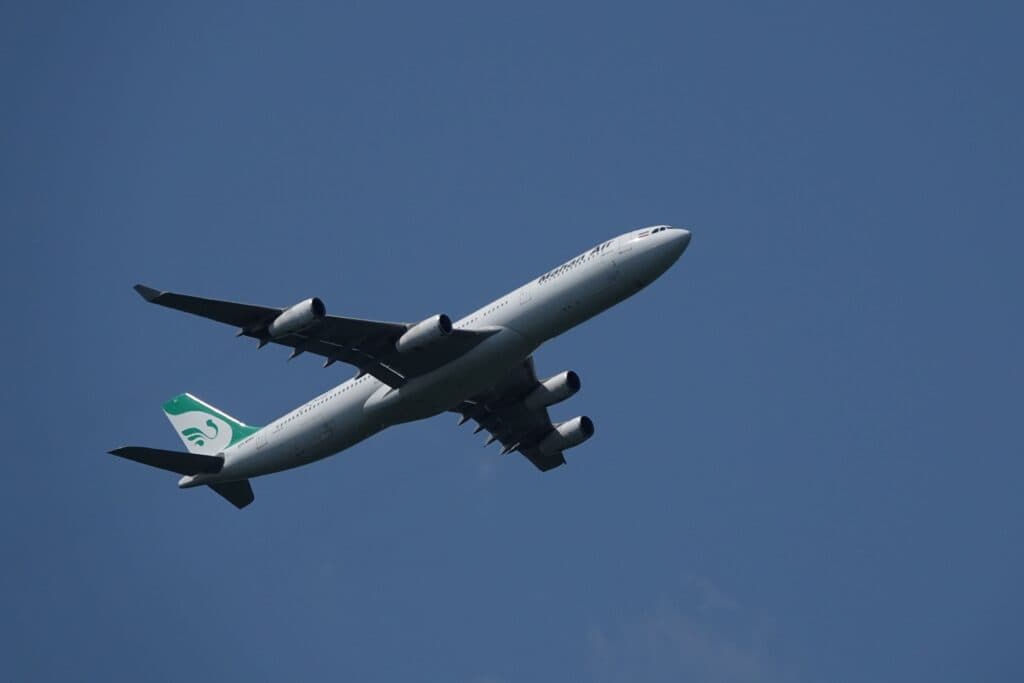
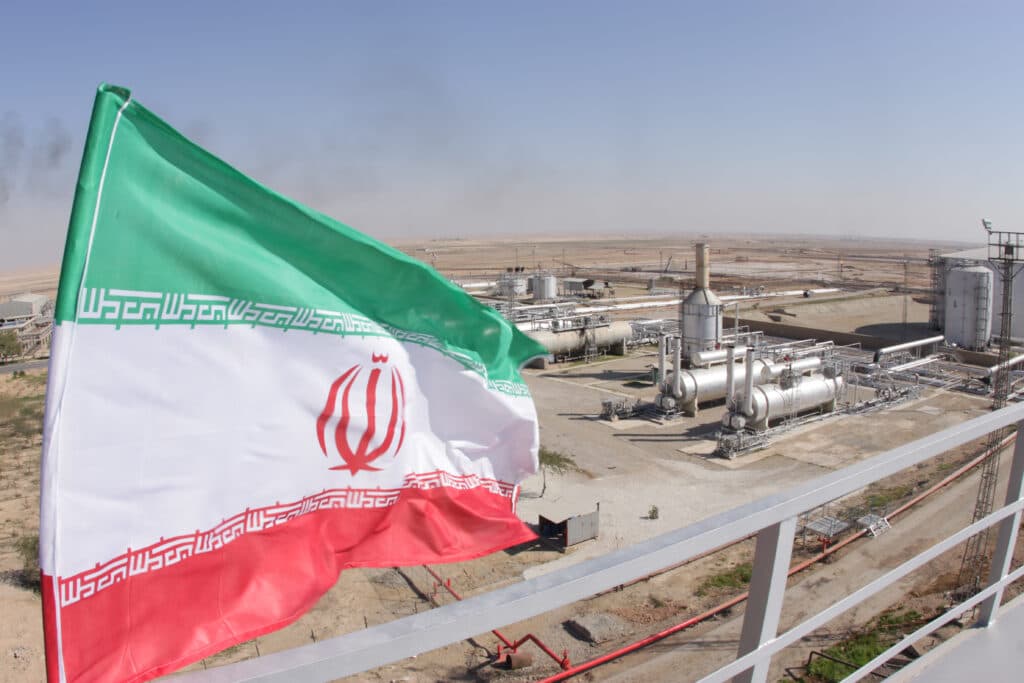
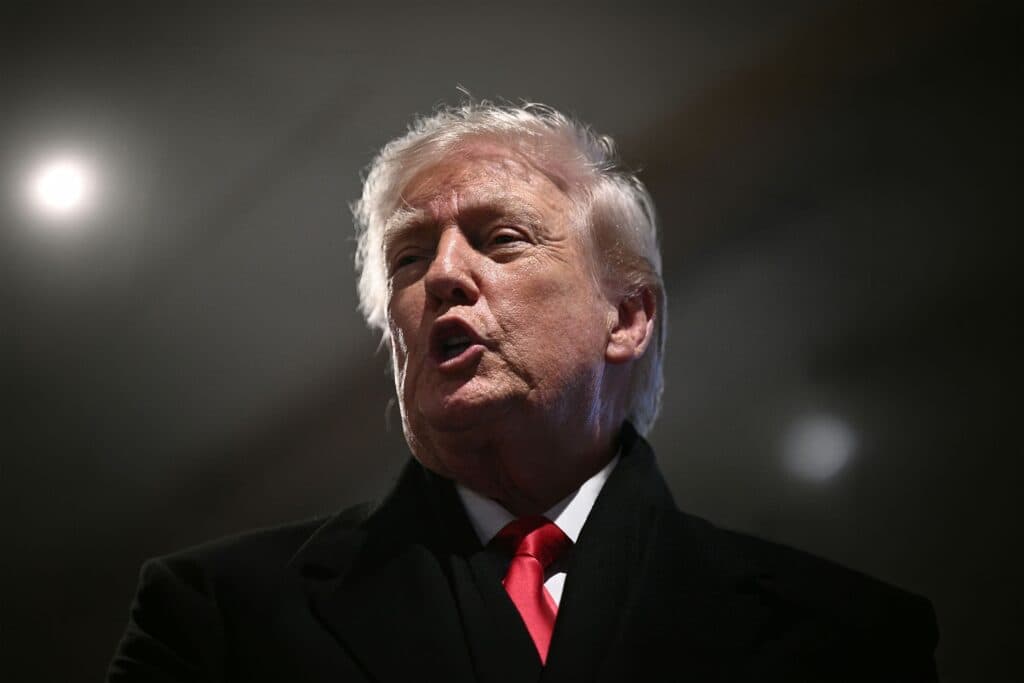
Iran aviation sanctions are rapidly shrinking Tehran’s international flight network while Iranian figures escalate threats against neighboring Gulf states. U.S. Treasury Secretary Scott Bessent said this week that “probably more than 80 or 90 percent” of Iran’s international flights had already stopped. He then joked that he was unsure how Iran’s delegation at the UN General Assembly would return home. AFP confirmed widespread cancellations while noting that some routes, including flights to China, remained active.
The pressure increased again Thursday. Iran’s ISNA news agency reported that all flights operated by Iranian airlines to the United Arab Emirates had been canceled since midnight. An Iran Airtour flight from Tehran to Dubai was canceled shortly before departure, according to a passenger cited by AFP.
Psalm 121:8 says, “The Lord shall preserve thy going out and thy coming in.” In a confrontation now centered partly on who can travel and which airports can operate, the verse takes on an unusually literal meaning. Civilian movement has become entangled with sanctions, military logistics and regional deterrence.
Iran Aviation Sanctions Hit International Routes
The restrictions stem from a sweeping U.S. Treasury action announced September 8. The department sanctioned 36 aviation-related targets, including 27 remaining active Iranian airlines. Treasury says Iranian commercial aviation has helped move weapons, personnel and illicit cargo for the Islamic Revolutionary Guard Corps and other state networks.
The policy also targets companies outside Iran that service those carriers. Treasury warned that foreign firms providing aircraft transfers, cargo support or sales services could face penalties and possible exclusion from the U.S. financial system. That secondary-sanctions mechanism has given airports and aviation companies strong incentives to cut ties quickly.
The effect is now visible across the region. Georgia and Azerbaijan have suspended Iranian airline operations, while routes involving Baghdad, Muscat, Qatar and Turkey have faced disruption. The UAE had remained one of Iran’s most important regional connections, making Thursday’s cancellation especially significant.
The progression follows “Iran Airport Threat Escalates Aviation Sanctions Fight,” which examined an earlier warning from Iranian security chief Mohsen Rezaei. Rezaei said neighboring countries that helped Washington stop Iranian flights could find their own airports unable to function. Reuters reported that warning Wednesday.
Tehran Threatens Gulf Airports
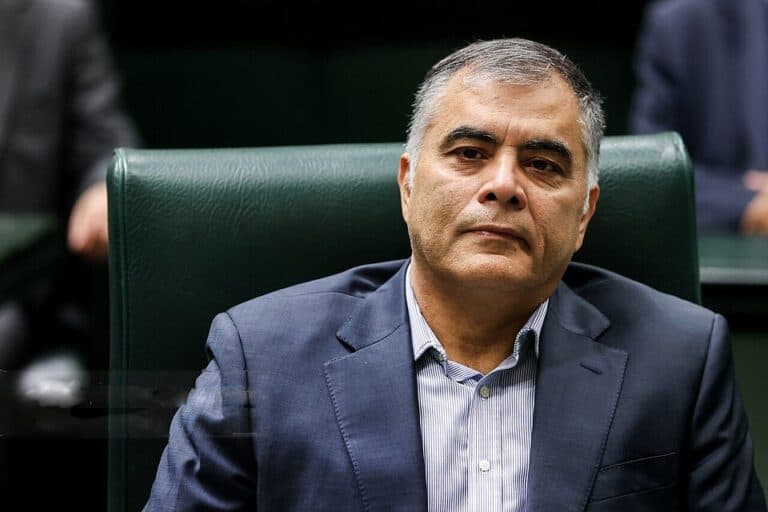
The rhetoric has since intensified. Iranian academic Mohammad Marandi, who has participated in Tehran’s negotiating delegation, reportedly warned that Iran could use force to shut regional airports if Gulf governments help enforce U.S. restrictions. In another post attributed to him, he specifically threatened airports in Qatar and the United Arab Emirates.

The language echoes threats Marandi has issued during earlier phases of the war. He has repeatedly warned Gulf governments against assisting American military operations and has described regional infrastructure as vulnerable to Iranian retaliation. In April, Marandi said members of Iran’s negotiating delegation had altered their return route after security concerns following talks with the United States.
However, the latest airport threats should be distinguished from confirmed Iranian military action. Neither Marandi nor Rezaei publicly explained how Iran would make foreign airports “unable to operate.” The warnings could refer to military strikes, cyber operations, airspace disruption or another form of retaliation, but the available statements do not specify a method.
That uncertainty itself matters. Dubai, Doha and other Gulf hubs are among the world’s most important international aviation centers. Threats involving them affect far more than Iran’s bilateral disputes with neighboring governments. They raise questions for commercial airlines, insurers, travelers and governments far outside the Middle East.
Pressure on Iran, Risk for the Region
Washington views the aviation campaign as part of a broader effort to restrict Iranian military and financial networks. Treasury says Mahan Air has supported the IRGC-Quds Force and used foreign intermediaries to acquire aircraft and transport sensitive material. The department also says its September action targets procurement networks moving through countries including the UAE and Turkey.
Israel has a direct security interest in those networks. Iranian aviation and logistics systems have long formed part of the wider contest over weapons transfers, missile technology and support for armed organizations hostile to Israel. At the same time, Iranian retaliation against Gulf airports could widen the conflict and disrupt civilian aviation across the region.
The United States faces a related calculation. Secondary sanctions allow Washington to exert pressure without expanding direct military operations. However, the stronger those sanctions become, the greater the possibility that Tehran responds against U.S. partners or infrastructure linked to them.
Security Beyond the Sanctions
Israel’s covenantal tradition places the preservation of Jewish life and national sovereignty at the center of state responsibility. America’s national tradition developed differently, but it has also connected national strength with protecting citizens, allies and freedom of movement. Both therefore have an interest in preventing civilian infrastructure from becoming another uncontrolled front.
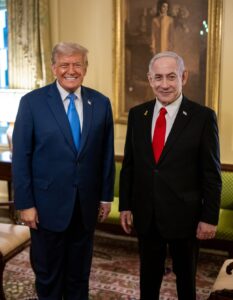
Bessent’s estimate that more than 80% to 90% of Iran’s international flights have stopped suggests Washington’s economic pressure is producing significant effects. The UAE cancellations deepen that isolation further. Tehran’s threats, however, show that economic pressure can quickly create new security risks beyond Iran itself.
The next stage of the Iran aviation sanctions campaign will test two forms of leverage at once. Washington is betting that access to the American financial system can isolate Iranian airlines. Tehran is warning that governments enforcing those restrictions may face consequences of their own.
What began as an aviation sanctions package is increasingly becoming another front in the wider U.S.-Iran confrontation. For Israel, the stakes include Iranian military logistics and regional deterrence. For Washington, they include the credibility of sanctions and the security of American partners across the Gulf.
For more stories on Israel, faith, and the values behind the headlines, follow Sinai on Facebook and Instagram.
Discussion0
No comments yet — be the first to share your thoughts.