Iran Airport Threat Escalates Aviation Sanctions Fight
Iran warned neighboring states against enforcing U.S. aviation sanctions, saying their own airports could become unable to operate if Iranian flights are blocked

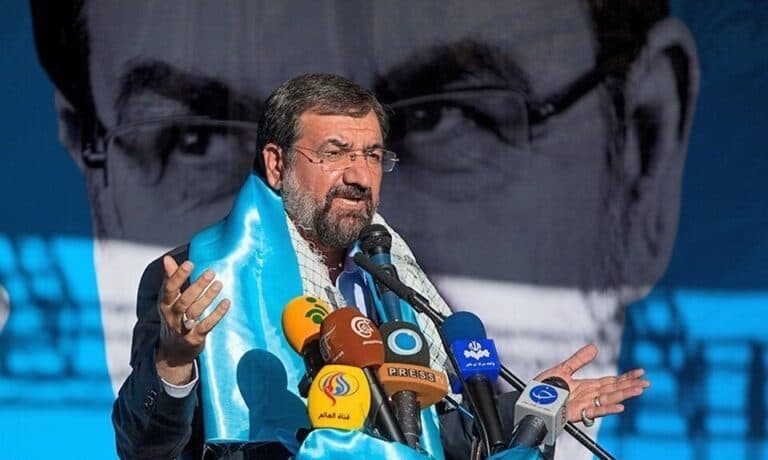
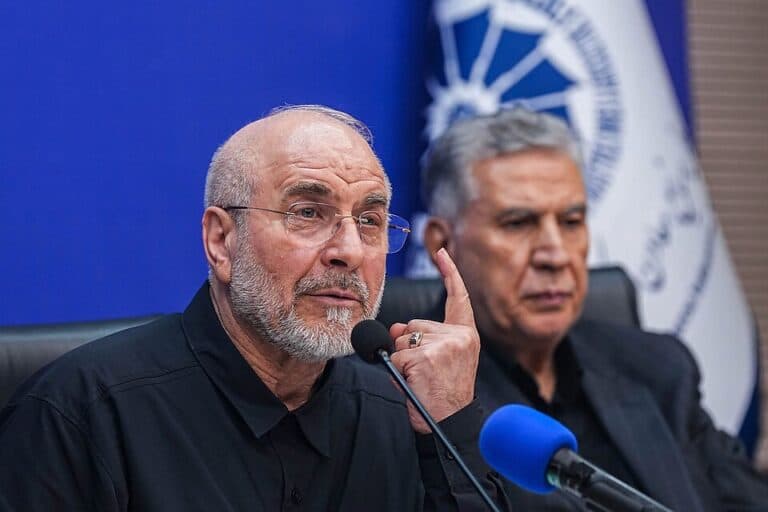
An Iran airport threat has raised the stakes in Washington’s campaign to isolate the Islamic Republic’s aviation sector. Mohsen Rezaei, secretary of Iran’s Supreme National Security Council, warned neighboring countries against helping enforce new U.S. restrictions. He said Iran would ensure their airports could not function if they stopped accepting Iranian flights.
Rezaei did not explain how Tehran would carry out that warning. He did not specify military strikes, cyberattacks, airspace restrictions or another method. That distinction matters because a threat against functioning airports could affect civilian passengers, regional trade and international aviation far beyond Iran itself.
Proverbs 22:3 says, “A prudent man foreseeth the evil, and hideth himself.” The verse speaks to preparation before danger becomes crisis. In modern aviation, that means governments must assess threats early while preventing military confrontation from turning civilian transportation networks into another battlefield.
Iran Airport Threat Follows Expanding U.S. Sanctions
The warning comes after Washington dramatically widened sanctions on Iranian aviation. On September 8, the Treasury Department sanctioned 36 targets linked to the sector. The action included all 27 remaining Iranian airlines that Treasury had not already designated. Washington also targeted foreign intermediaries and companies accused of helping Iranian carriers obtain aircraft and sensitive technology.
Treasury says Iranian commercial aviation has supported government military activities. U.S. officials have specifically accused Mahan Air of transporting IRGC personnel, weapons and military equipment. Tehran rejects the wider American pressure campaign and describes the restrictions as an attack on its civilian aviation system.
The sanctions also reach companies outside Iran. Treasury Secretary Scott Bessent said service providers risk exclusion from the dollar system if they fuel Iranian aircraft, provide landing services or sell tickets. That gives Washington leverage far beyond airports under direct U.S. jurisdiction.
The effects are already visible. Iraq ordered Iranian flights to Baghdad suspended beginning September 23, according to Reuters. Iranian authorities also announced canceled Tehran flights to Muscat while discussing alternatives for Iraq-bound passengers.
That widening disruption follows the pattern detailed in “Iran Flight Restrictions Expand Under U.S. Sanctions.” Iranian carriers had already faced growing restrictions across several regional markets. Rezaei’s warning now shifts the story from economic pressure toward the possibility of direct retaliation against countries cooperating with Washington.
Regional Airports Become Part of the Confrontation
Airports occupy a particularly sensitive place in any conflict. They support civilian travel, tourism, cargo and emergency movement, but many also serve strategic or military purposes. Threatening their ability to operate therefore creates uncertainty even when no specific attack method has been identified.
Rezaei told regional governments not to join what he called America’s “adventure.” He warned that if Iranian aircraft could not travel, “their own airports will not be able to have flights either.” The statement puts neighboring states in a difficult position between access to the U.S. financial system and pressure from Tehran.
The threat also comes during an already unstable period in regional aviation. Fighting involving Iran, the United States and Israel has affected shipping, energy infrastructure and air routes for months. Houthi attacks have added another source of risk around Saudi Arabia and the Red Sea.
The immediate concern for Washington is whether secondary sanctions can isolate Iranian aviation without expanding the military confrontation. The United States argues that the aviation campaign targets logistical networks connected to the Iranian state and IRGC. Iran, by contrast, is presenting restrictions on its carriers as grounds for retaliation against participating states.
Israel has a separate but closely related security interest. Israeli officials have long focused on Iranian routes used to move personnel, weapons and military technology across the region. Treasury’s own allegations against Mahan Air overlap directly with those concerns, particularly the movement of IRGC-Quds Force personnel and weapons systems.
At the same time, a wider conflict around civilian airports would create new risks for Israel and its neighbors. Major hubs in the Gulf, Iraq, Turkey and the Caucasus connect international traffic across Europe, Asia and the Middle East. Any serious disruption could affect civilians and commercial networks far beyond the governments directly involved.
Sovereignty, Security and Civilian Limits
The United States and Israel approach these questions through different national traditions, but both place importance on sovereignty and the protection of civilian life. Israel’s covenantal tradition centers the survival and security of the Jewish people in their homeland. American civic tradition has often linked national strength with accountability under law and responsibility toward allies.
Those principles become more difficult when civilian systems also support strategic activity. Washington argues that Iranian aviation cannot receive ordinary commercial treatment when sanctioned airlines assist military networks. Iran argues that U.S. financial power is being used to shut its country out of international transportation.
Rezaei’s statement introduces another threshold. Economic sanctions target access to services, financing and commerce. A threat to make foreign airports unable to operate raises a separate question about whether economic confrontation could move into direct disruption of civilian infrastructure.
The Iran airport threat does not yet reveal how Tehran intends to respond, and Rezaei provided no operational details. That uncertainty itself will matter to governments deciding whether to continue accepting Iranian aircraft. The next stage of the sanctions campaign may therefore test not only Washington’s economic leverage, but how much regional pressure neighboring states are willing to absorb from Tehran.
For more stories on Israel, faith, and the values behind the headlines, follow Sinai on Facebook and Instagram.
Discussion0
No comments yet — be the first to share your thoughts.